

British households will see traditional landlines switched off nationwide in a little over five months.
The fixed-line analogue wires that have connected Britons for decades will be retired on January 31, 2027. From that date, Britons will make calls via a broadband cable, instead of ageing copper cables.
Read Also: Travellers win long-running planning row after pitching up on picturesque rural site
It’s a dramatic shake-up that should future-proof millions of UK households, boosting call quality, shielding connections from disruption due to bad weather, and bolstering spam protections. In just the first five months of being operational, BT says its broadband-powered calls blocked 17.7 million spam calls.

Broadband-powered landlines also offer new functionality, like the ability to place incoming calls in a queue.
BT-owned Openreac Openreach has now imposed Stop Sell rules across some 1,572 exchanges across the UK, covering around 15.4 million premises. Anyone in these areas will be blocked from ordering a traditional landline when switching to a new broadband deal or negotiating an existing one with any of the brands that rely on Openreach infrastructure, including BT, EE, Sky, TalkTalk, Vodafone, and Plusnet, to name just a few.
Over three million households use BT Digital Voice, which leverages full-fibre broadband to connect your call, as part of the ongoing nationwide landline upgrade, the telecom has revealed. While BT, Virgin Media, and TalkTalk refer to this internet-powered landline as “Digital Voice”, but depending on your provider, they might use a different term.
Despite the imminent switchover deadline — and the sheer number of households already living with broadband-powered calls — a huge swathe of the UK population remains in the dark, a new survey claims.
LATEST DEVELOPMENTS
- WhatsApp confirms one billion have ditched passwords
- Apple reboots sold-out Mac with faster performance and next-level gaming
- iPhone 17 Pro review
- EE unleashes free speed boost for 54 million across the UK
- Garmin announces £1,199.99 top-of-the-line smartwatch
- British startup Nothing launches Bluetooth ‘buds for £15
A survey of 2,000 UK adults with a landline telephone at home, commissioned by full-fibre brand Community Fibre, found that 45% of those surveyed do not fully understand what they need to do ahead of the switch-off to ensure everything continues to work as it should.
Landlines remain a vital connection for older households, who might not have a mobile phone, or those in remote communities without a reliable 5G signal.
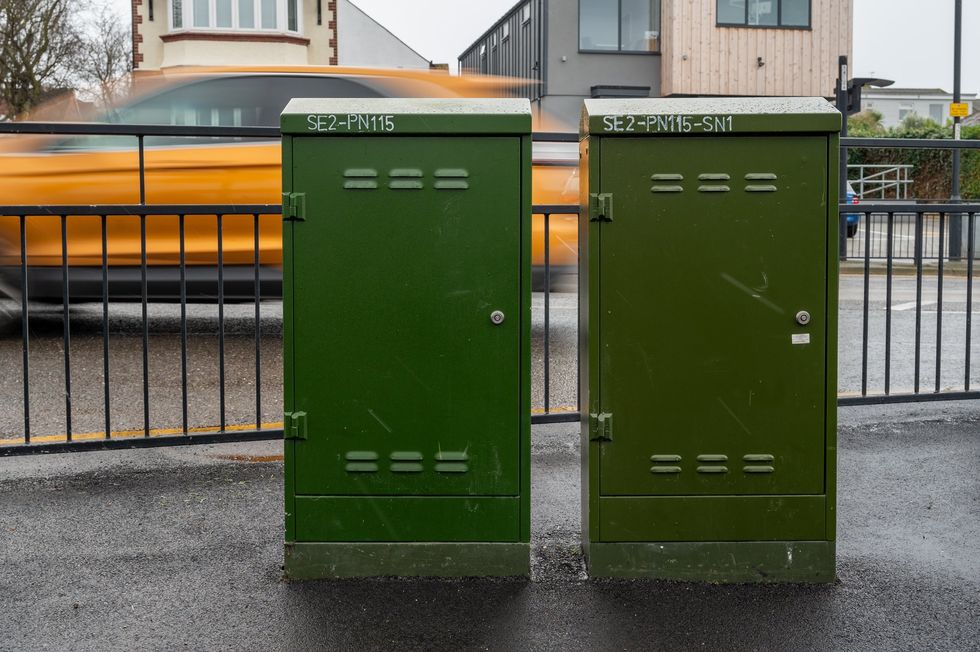
Nearly six in 10 respondents say older people are more reliant on landline telephones than younger generations, while 57% agree landlines provide older people with peace of mind in case of an emergency.
Despite this, nearly half of those who have not already switched say they’re not confident about what to do to replace their traditional landline service.
Among those who aren’t confident about the incoming changes, 47% of those surveyed said they had not seen enough information about the switchover, while 33% admitted to being confused about what changes they need to make — if any.
Dan Skipper, Chief Executive Officer of Age UK Norwich, said: “These changes prompt many questions for residents, and a lack of awareness may create unnecessary concern or worry, particularly for older people who are not online and rely on their landline for social connection and safety.”
His advice? Speak to your telephone provider to understand your options and make sure they know if you have a telecare alarm or need extra support.
BT says that when you’re notified that your address has been switched over, all you need to do is connect your phone to your Smart Hub — that’s the Wi-Fi router that delivers the wireless connection to your household — and you’ll be able to continue making calls as normal. There’s no additional charge when using Digital Voice. BT won’t change your contract length or increase the cost of your service when your contract ends.
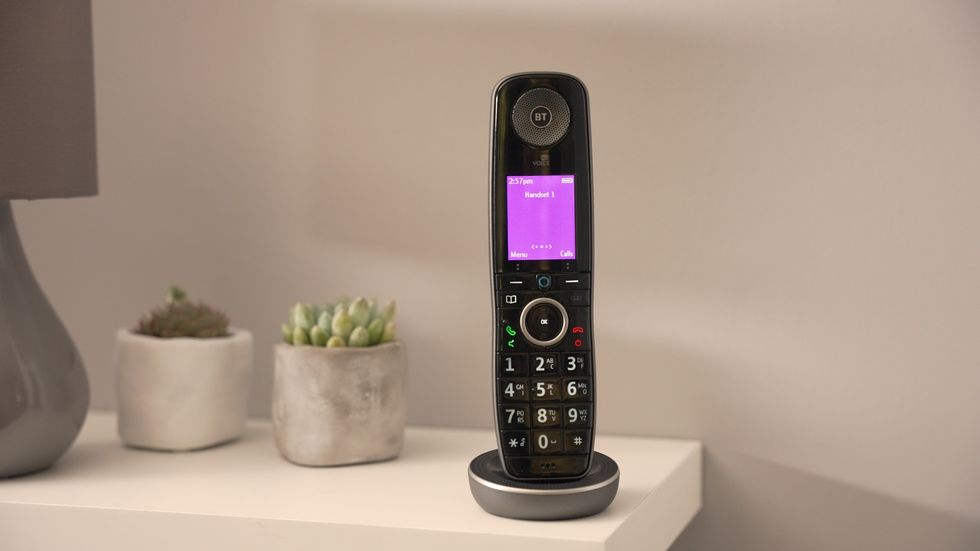
Broadband providers are offering back-up battery packs and other solutions to those who don’t have a mobile phone to ensure households are able to stay connected in an emergency. On the BT website, the telecom clarifies: “If there is a power outage or your broadband fails, you’ll be unable to make calls using Digital Voice, including calls to 999.
“You’d experience this if you have a cordless phone plugged into a power supply. You’ll still be able to use a mobile phone, which should be charged at all times. If you don’t have a mobile phone or are in an area with no mobile signal, please contact us on 0330 1234 150“
According to the survey commissioned by Community Fibre, almost a quarter of those surveyed say they or someone they know uses a personal alarm or telecare alarm that may be affected, while 71% say they would be concerned if a device in their home, or the home of someone they know, stopped working.
Peter Rampling, a broadband expert at Community Fibre, said: “The switch from analogue to digital phone services is a nationwide change that is affecting millions of households.
“But unfortunately, many of those needing to switch may not be offered the best available full fibre service by their existing provider, so it’s important to explore what else is out there before committing. Whether you’re sorting your own line or helping someone else to do it, shopping around and switching provider makes absolute sense during a cost-of-living crisis and can save money and effort in both the short and the long run.”
This isn’t the only switch-off Britons are facing. The Government recently opened an investigation into the end of FM Radio.
.timeline-box {
max-width: 780px;
margin: 20px auto;
padding: 24px 28px;
background: #f2f2f2;
border-radius: 16px;
font-family: Arial, Helvetica, sans-serif;
color: #222;
box-sizing: border-box;
}
.timeline-box h2 {
margin: 0 0 22px;
font-size: 1.65rem;
line-height: 1.15;
color: #111;
}
.timeline {
border-left: 2px solid #bbb;
margin-left: 8px;
padding-left: 20px;
}
.timeline-item {
position: relative;
margin-bottom: 17px;
/* Starting state */
opacity: 0;
transform: translateY(22px);
transition:
opacity 0.55s ease,
transform 0.55s ease;
}
.timeline-item.visible {
opacity: 1;
transform: translateY(0);
}
.timeline-item::before {
content: “”;
position: absolute;
left: -27px;
top: 5px;
width: 9px;
height: 9px;
background: #777;
border-radius: 50%;
transform: scale(0);
transition: transform 0.4s ease 0.15s;
}
.timeline-item.visible::before {
transform: scale(1);
}
.timeline-item:last-child {
margin-bottom: 0;
}
.year {
display: inline-block;
min-width: 76px;
margin-bottom: 2px;
font-size: 0.9rem;
font-weight: 700;
color: #444;
}
.timeline-item p {
display: inline;
margin: 0;
font-size: 0.91rem;
line-height: 1.45;
}
.timeline-item strong {
font-weight: 700;
}
/* Respect users who prefer reduced motion */
@media (prefers-reduced-motion: reduce) {
.timeline-item {
opacity: 1;
transform: none;
transition: none;
}
.timeline-item::before {
transform: scale(1);
transition: none;
}
}
Countdown to the Death of Traditional Copper Landlines
First dial-up internet service introduced to UK customers by Pipex.
First UK home broadband launches and is taken up by a single customer in Essex.
First residential full-fibre connection goes live in Ebbsfleet, Kent, delivering telephone and broadband over fibre-optic cables directly to homes.
30Mbps services arrive, allowing users to download and stream music, games and TV shows.
First ‘fibre-only’ exchange goes live in Deddington, Oxfordshire, as a pilot for the UK’s future digital network.
Plans announced to retire the old telephone network within seven years, moving everyone to digital phone lines.
Salisbury becomes the UK’s first Openreach Full Fibre city, with the fastest citywide network in the UK.
Openreach ends the sale of copper landlines, first exchange by exchange and then nationally. From 5 September 2023, BT customers could no longer buy traditional phones.
The analogue phone network is retired. Everyone in the UK will use digital phone lines, with calls carried over broadband using VoIP technology.
const timelineItems = document.querySelectorAll(“.timeline-item”);
const observer = new IntersectionObserver(
(entries) => {
entries.forEach((entry) => {
if (entry.isIntersecting) {
entry.target.classList.add(“visible”);
}
});
},
{
threshold: 0.15,
rootMargin: “0px 0px -40px 0px”
}
);
timelineItems.forEach((item) => observer.observe(item));
Our Standards:
The GB News Editorial Charter