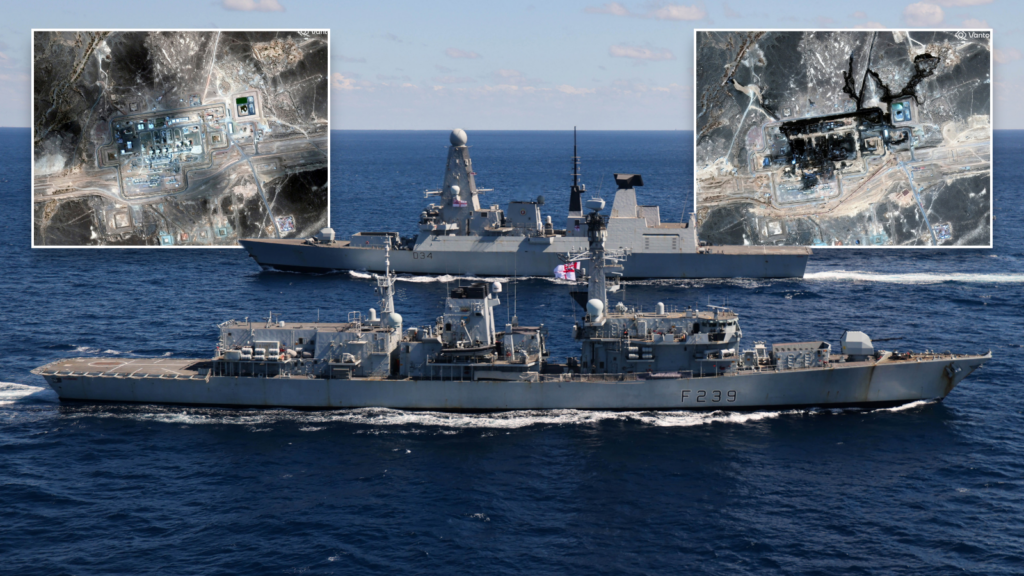

Saudi Arabia has been forced to cut some oil shipments to Europe after drone attacks damaged its key export pipeline to its west coast.
Iraqi terrorists are thought to have been behind the attack on the East-West oil pipeline – while the Iran-backed Houthis seized a vital chokehold on a shipping route for oil and commodities on the Red Sea.
The pipeline had let Saudi Arabia bypass the heavily-disrupted Strait of Hormuz and avoid the worst impacts of the Iran war in the last six months.
But on Tuesday, the Saudis told European customers that some oil loadings at the Red Sea port of Yanbu had been suspended, and some oil slated to be delivered in September had been cancelled.
Read Also: Urgent probe launched after Southport attack victims' files accessed in major data breach
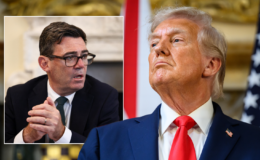
After its pleas fell on deaf ears with the White House, Saudi Arabia has now asked Andy Burnham for help to repel the Houthis and to defend strikes against its oil infrastructure.
The Prime Minister has agreed to send military advisers to the kingdom but is only “considering” his next options, according to Bloomberg.
He may also be reluctant to go further after the US declined to support Saudi Arabia, the outlet reported – though the topic will likely be on the agenda when he meets Donald Trump next week.
Mr Trump refused to provide military support in the region after Crown Prince Mohammed bin Salman twice urged him to launch strikes against the Houthis.
In an apparent bid to cool any panic, US Energy Secretary Chris Wright told CNBC crude oil would again flow through the pipeline in a matter of days.

Mr Burnham is said to be concerned over the escalation’s effect on the economy as his Government prepares for its first Budget next month.
Before Houthi attacks forced it to close, the pipeline had moved four to five million barrels of oil per day, around four to five per cent of the entire world’s supply.
A Government spokesman told The Telegraph: “We continue to work with partners to support regional stability, protect civilians and support humanitarian access in Yemen.”
Fighting in Saudi Arabia has intensified, forcing the country to close Jeddah Airport on Tuesday and issue emergency alerts across the land.
At 12.45am, the kingdom’s air defences intercepted a drone launched by the Houthis as it entered prohibited airspace above Mecca, the Saudi-led coalition in Yemen declared.
LATEST ON THE MIDDLE EAST:
- US airman downed deep in Iranian territory lifts lid on ‘modern-day miracle’ rescue operation
- US sinks five Iranian oil tankers after Tehran launches ballistic missiles at Americans
- Iran attacks US bases across Middle East as Donald Trump threatens ‘much harder’ strikes


Coalition spokesman Turki al-Malki said in a statement it was the second attempt to target the holy site, adding that the security of Mecca was a “red line”.
The kingdom is now likely to increase exports of oil through so-called dark shipments, similar to those already by used the United Arab Emirates and Iraq, an oil trading source told Reuters.
At the same time, household energy bills are set to spike by a quarter in Britain next year as a result of the ongoing conflict in the Middle East.
High energy prices are expected to worsen inflation, which could hit four per cent next year.
Mr Burnham has been urged to designate the Houthis a terrorist organisation, following the US’ lead.

Last year, the US bombed the Yemeni terrorist group for two months last year.
While in 2024, British forces faced off against the West-hating group as it sparked havoc in the Red Sea.
From November 2023 onwards, the Houthis in Yemen attacked attacks in the Red Sea against commercial and military ships, forcing vessels away from the region and hindering world trade and free navigation.
The group has also launched direct drone and missile attacks against Israel in the aftermath of Hamas’s October 2023 massacre.
From January to May that year, the US and UK conducted five joint naval and air strikes against the Houthis in response to their attacks on shipping.
The US carried out separate air strikes as recently as January 2025 against the group.
Our Standards:
The GB News Editorial Charter