
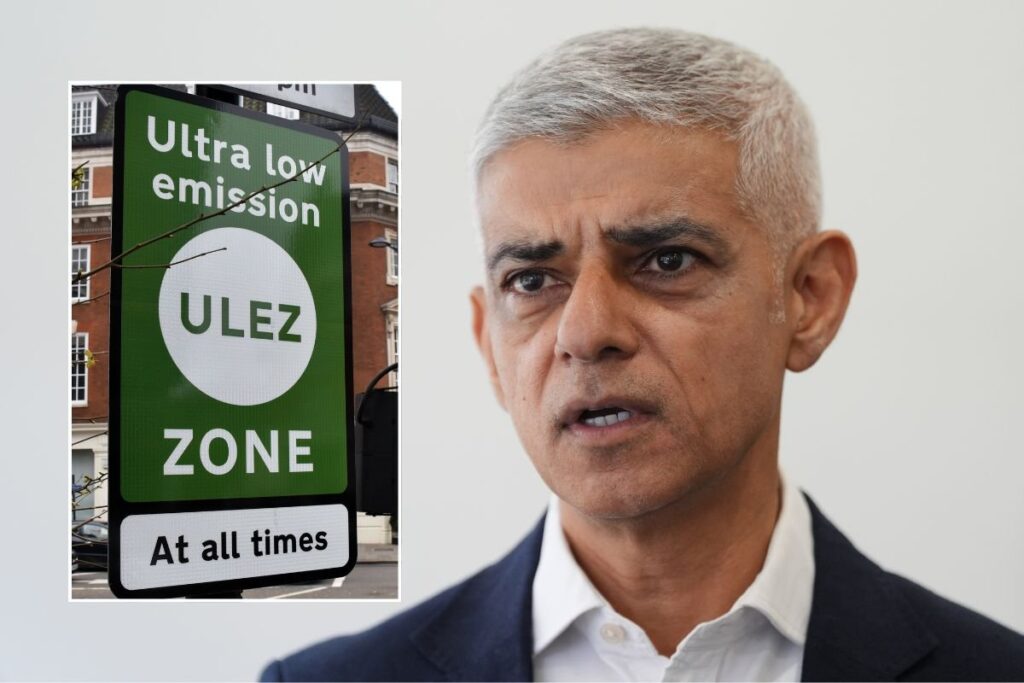

London Mayor Sir Sadiq Khan has spoken out after research showed that the capital’s Ulez scheme had helped improve lung growth in children and cut emissions.
A new study from Queen Mary University of London found that improvements in air quality following the introduction of the Ultra Low Emission Zone has had a huge impact on children’s health.
Read Also: Travellers win long-running planning row after pitching up on picturesque rural site
The research involved more than 3,400 children between the ages of six and nine from 84 primary schools across London and Luton.
Researchers measured and monitored the size of the children’s lungs at annual school visits from 2018 to 2022 to identify the impact of air quality changes on lung development.
The study followed the introduction of the Ulez in London and showed that children in the capital had “significantly smaller” lungs than those living in Luton, which acted as the comparison site.
Data found that after the implementation of the emissions-based charging zone in London, children’s lung size and health improved “to be comparable with that of children in Luton”.
Within five years of the Ulez being introduced, London children’s exposure to NO2 fell twice as fast and more than twice as much compared to those in Luton.
Commenting on the data, London Mayor Sir Sadiq Khan, who has been a vocal supporter of the Ulez since its inception, described the findings as “incredible”.

Taking to social media site X, formerly known as Twitter, the Mayor said: “This stopped me in my tracks.
“An independent study by QMUL has found that after Ulez was introduced, children’s lungs grew faster in Central London and have now caught up with children outside of the capital. Incredible.”
The study also looked at the proportion of children with clinically impaired lung function, which fell from 14 per cent to just nine per cent in London.
During the same time period, the proportion in Luton fell from nine per cent to seven per cent, appearing to show that the Ulez scheme had a meaningful impact.
LATEST DEVELOPMENTS
- Number plate changes weeks away as drivers risk £1,000 fine and MOT failure
- Chinese car brand Chery to launch major new UK facility within months – ‘Next step’
- Drivers slapped with £100,000 in court costs after being caught by smart motorway cameras
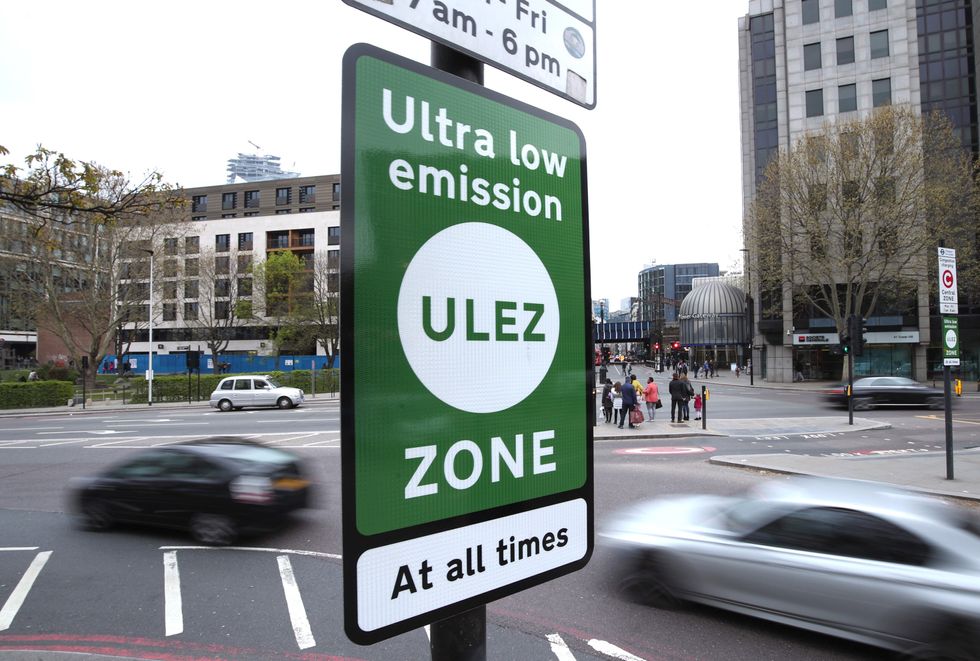
Researchers from QMUL stated that the study was the “first evidence” that clean air zones may benefit child development.
The report, which has been published in The Lancet Public Health, suggested that clean air zones should be implemented “more widely to protect and promote children’s lifelong health”.
Professor Chris Griffiths, Professor of Primary Care at the University of Oxford and at Queen Mary University of London, and joint senior author, said: “Traffic pollution in cities damages children’s health and development.
“We provide the strongest evidence yet on how these harms can be prevented. Ambitious clean air zones should be considered a priority for cities globally with traffic-related air pollution.”
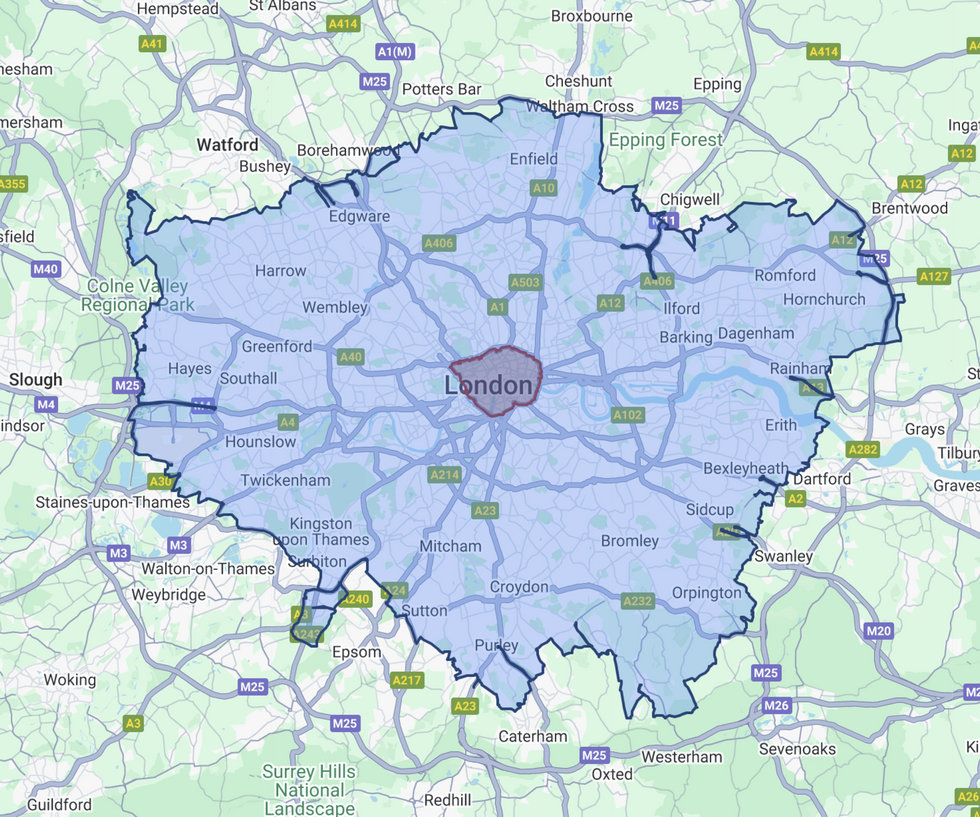
The study involved researchers from QMUL in collaboration with Imperial College London and the Universities of Bedfordshire, Oxford, Cambridge, Edinburgh and Southern California and was funded by the National Institute for Health and Care Research.
Dr Helen Wood, Research Fellow at Queen Mary and lead author, added: “We already knew that the Ulez reduced air pollution but now we know that children’s lung health has improved at the same time, which is a really important finding for children and parents living in London.
“However, we must not be complacent – air pollution in both London and Luton – as well as other cities across the UK – remains above WHO guideline levels, so there is still work to be done.”
Our Standards:
The GB News Editorial Charter