


Prince Harry and Meghan Markle’s shock return to the UK this month could bring some tidy tax perks, it has been suggested.
The Duke and Duchess of Sussex revealed their plans to return to the UK for an “extended period of time” last week, after Prince Archie and Princess Lilibet were enrolled into British schools.
Read Also: Travellers win long-running planning row after pitching up on picturesque rural site
Their return brings Harry closer to his father, King Charles, who continues to battle an undisclosed cancer diagnosis, and follows a family reunion at the monarch’s Gloucestershire country home last month – the first time the King had seen his grandchildren in four years.
Yet beyond the personal drama, tax specialists are noting potential financial implications of the couple’s homecoming.
The timing offers one significant advantage around capital gains.
Britain’s temporary non-residence rules are designed to prevent individuals from briefly relocating overseas, disposing of assets at a profit, and then returning to avoid HMRC’s reach.
The anti-avoidance measure applies for five tax years – the Sussexes have been non-UK residents for six full tax years, placing them safely beyond its scope.
Rowan Morrow-McDade, Tax Director at Alexander & Co, noted to Hello that the couple have effectively “avoided the anti-avoidance,” meaning any assets sold at a profit during their time in America should not attract UK capital gains tax upon their return.
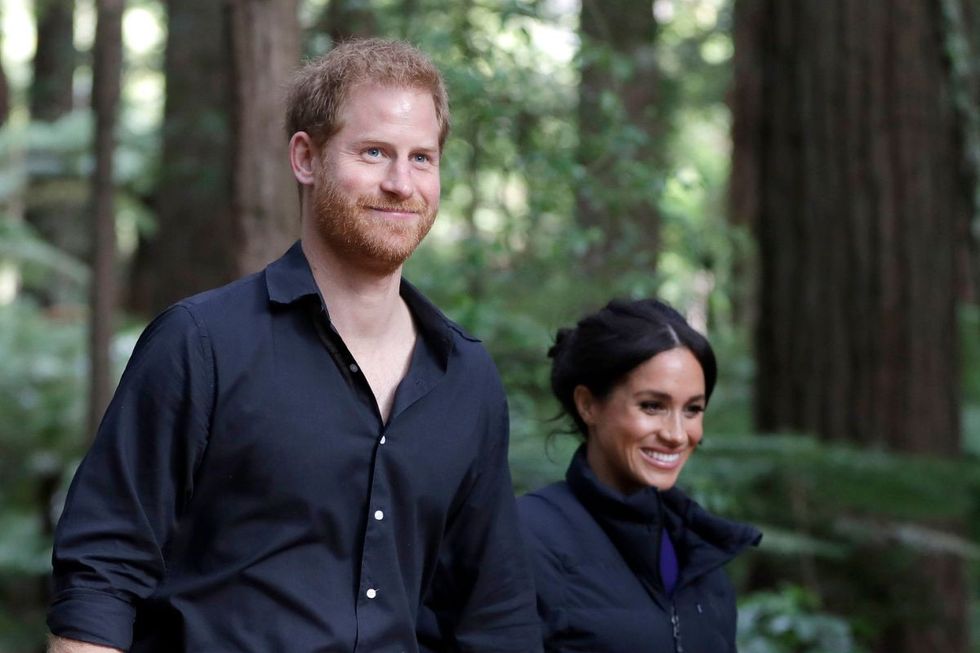
Financial expert Michele Tieghi echoed this assessment, observing that “the six-year stay in America could prove important for capital gains tax.”
Whether the couple actually realised any such gains while stateside or made any decision based on potential tax returns remains unclear.
The couple’s six-year timeline, however, falls well short of the decade-long absence that would have unlocked far more substantial benefits.
LATEST ROYAL NEWS
- Prince Harry and Meghan Markle expected to leave beloved pets behind in the US
- Europe’s oldest monarch is ‘deteriorating in health’ as Palace issues urgent statement
- Harry and Meghan issue denial over ‘secret lunch’ with Geri and Christian Horner ahead of UK return
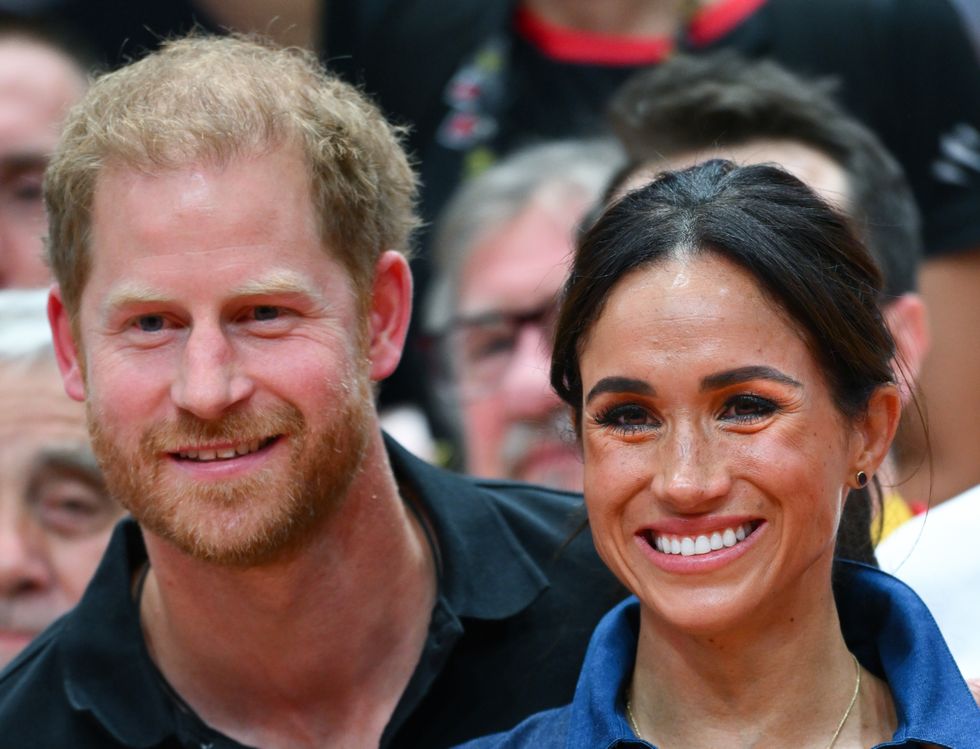
Dhana Sabanathan, leading partner in the tax, trusts and succession team at national law firm Michelmores, told Fortune: “Whilst their return is welcome news, staying away a bit longer would have given them a much better tax result.”
Had the Sussexes remained abroad for ten consecutive tax years, they would have qualified for four years of Foreign Income and Gains relief upon returning – allowing them to sell US-based investments and bring the proceeds home without incurring UK tax on qualifying foreign gains.
Meghan’s California roots present a further complication. The United States operates a citizen-based taxation system – shared only with Eritrea – meaning American passport holders owe tax on their worldwide income regardless of where they reside.
Although the US-UK Double Tax Treaty prevents outright double taxation, the Duchess will still be obliged to file annual returns with the IRS.
As Mr Morrow-McDade explained: “If she was in the UK, which she will be, and she’s earning money and paying here, if that’s less than what she would have paid in the US, she’s then gonna have to pay, top it up in the US as well.”
Inheritance tax may also dictate how long the couple remain. To keep her worldwide estate outside the UK inheritance tax net, Meghan would need to spend fewer than 10 of the previous 20 tax years in Britain – giving her roughly eight years, accounting for her earlier residency between late 2017 and early 2020.
Our Standards: The GB News Editorial Charter