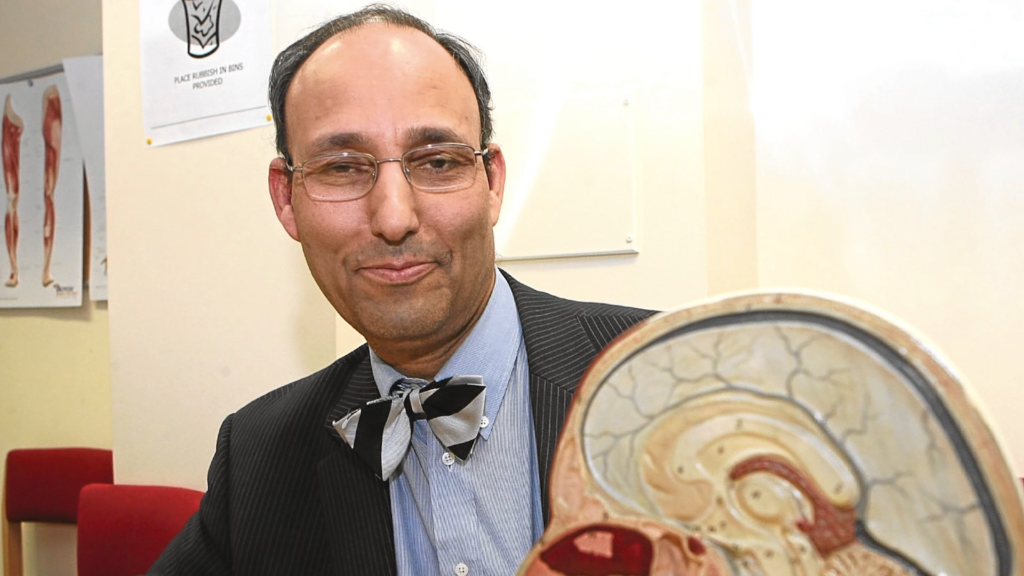

A surgeon who worked for the National Health Service performed several operations on the wrong parts of people’s bodies, an inquest has heard.
Disgraced neurosurgeon Sam Eljamel has been criticised for his time at NHS Tayside’s Ninewells Hospital in Dundee.
Read Also: EasyJet passengers flee commercial flight after power bank bursts into flames
The inquiry was also told the brain surgeon may not have been forthcoming with either his colleagues or the affected patients regarding the results of these procedures.
Mr Eljamel served as a consultant neurosurgeon at the hospital from 1995 until he was suspended in December 2013, a period during which he is believed to have caused harm to as many as 200 individuals, some of whom suffered life-altering injuries.
Read Also: Police confirm first arrest for 'concealing identity' at Portsmouth migration protest
Evidence presented on Friday revealed the Royal College of Surgeons of England had flagged serious concerns about his clinical work following a formal review.
The RCS had been commissioned by NHS Tayside’s former medical director to examine Eljamel’s spinal surgery practice in 2013, after a series of complaints emerged.
An interim advice letter sent to the health board’s medical director in October of that year stated: “Based on all of the information provided to the team, there are concerns about Professor Eljamel’s clinical practice with regards to spinal surgery.”
The letter highlighted several wrong site procedures had been performed, raising questions about his approach to preoperative marking and postoperative care.

Mr Eljamel himself conceded during the review he “may not have been absolutely open with his colleagues about the outcomes of these operations”.
The review team also expressed uncertainty over whether patients who underwent wrong-site procedures had been properly informed.
Professor Frank Smith, who chairs the RCS invited review mechanism, told the inquiry such procedures are classified as “never events” under NHS terminology.
“They’re inappropriately named because they do happen, but all facilities that are available to avoid that happening are really important,” he testified.
LATEST DEVELOPMENTS
- Man given hours to live after developing sepsis ‘from roast dinner at pub’
- Britain’s ‘overprescribing epidemic’ sends 1,000 elderly people a day to A&E
- NHS broke rules over AI rollout claims as watchdog raises concerns over evidence

The review urged NHS Tayside to consider whether additional steps were needed to examine Mr Eljamel’s spinal cases and ensure “no wrong-site surgeries have gone unaddressed”.
At the time, the health board had already placed Mr Eljamel under clinical supervision as a patient safety measure.
Despite Mr Eljamel claiming he had made “a number of changes to his practice”, colleagues painted a different picture, describing a pattern of reverting to old habits after being compelled to improve.
This left the review team questioning whether he could maintain any lasting change.
The RCS’s formal review, completed in 2013, noted colleagues felt Eljamel’s practice over the preceding 10 to 20 years was “finally catching up with him” in relation to the concerns raised.
Mr Eljamel stepped down from his position in May 2014 and subsequently removed himself from the general medical register the following year. He is currently thought to be practising surgery in Libya.
The inquiry, which is being conducted before Lord Weir in Edinburgh, continues.
Professor Smith expressed his awareness of the profound impact on those affected by Eljamel’s actions. “I’m very much aware that there will be a number of patients and relatives who have been profoundly affected by this and my sympathy goes out to them,” he said.
Our Standards: The GB News Editorial Charter