


A flight plan submitted by a UK military aircraft triggered a chain of technical failures that brought Britain’s air traffic network to a standstill for several hours, causing chaos for National Air Traffic Services.
The disruption on Tuesday grounded thousands of passengers, caused delays of up to 10 hours, and forced aircraft to divert to airports elsewhere in Europe.
The scale of the failure has also reignited concerns among airlines about whether Nats has adequately addressed vulnerabilities exposed by a similar outage in 2023.
The Financial Times reports the military flight plan introduced “spurious” data into Nats’ flight processing system – exposing weaknesses in a system that processes thousands of flight plans every day.
Read Also: Urgent probe launched after Southport attack victims' files accessed in major data breach
Read Also: Briton saves five bears from cages in South Korean camp in extraordinary rescue mission
The military origin of the flight plan was not itself considered responsible for the failure, according to sources. The Ministry of Defence declined to comment.
The crisis has put Nats chief executive Martin Rolfe under growing pressure.
Transport Secretary Heidi Alexander summoned Mr Rolfe for talks on Wednesday, while aviation minister Keir Mather held discussions with airline executives.
Ms Alexander subsequently ordered Nats to establish the cause of the failure within a week, saying the disruption had not been unavoidable.
The Civil Aviation Authority is also conducting an independent investigation, although its findings are not expected for six months.
Sources close to the process believe Mr Rolfe’s position is now seriously threatened, while others have urged caution until the technical investigation establishes exactly what went wrong.
Airlines have been particularly angered because Nats previously assured them that lessons from the 2023 outage had been implemented.
That incident was also linked to a faulty flight plan, although Nats insists Tuesday’s failure was technically different.
LATEST DEVELOPMENTS
- Migrant hotels exempt from ‘unlimited’ tourist tax – despite British holidaymakers having to pay
- Three Jewish schoolboys assaulted while travelling on London bus
- Nigel Farage secures record £36million donation in boost to Reform UK’s election war chest
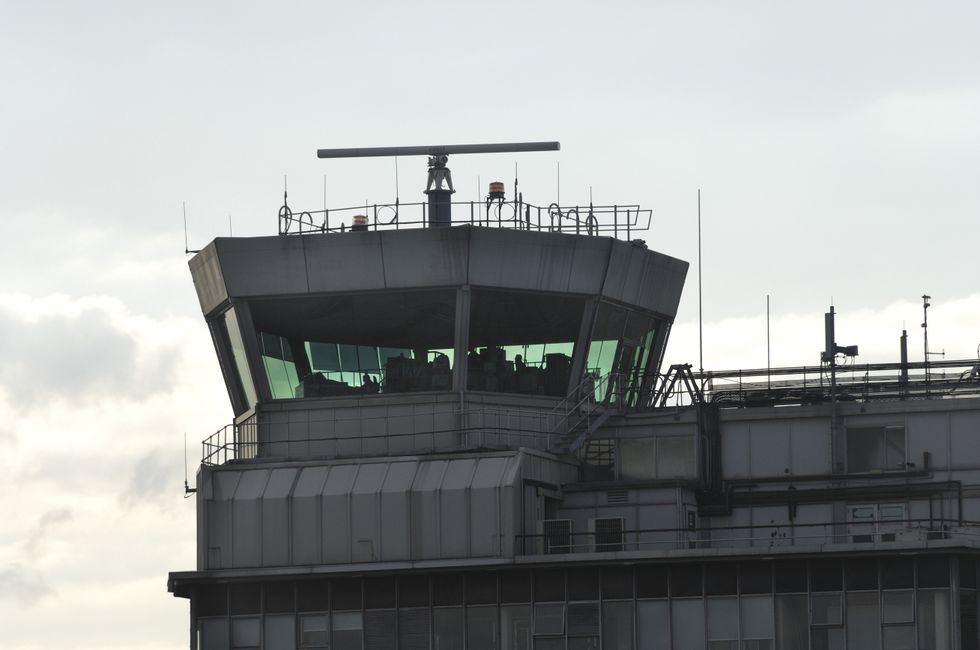
The disruption began shortly before 1pm, when warnings appeared at Nats’ control centre near Southampton. Within minutes, departures from airports around London were suspended.
More than 100 representatives from airlines, airports, regulators, government and neighbouring air traffic authorities joined an emergency co-ordination call. Flights briefly resumed after 1.30pm before another fault emerged during the attempted restart.
By 2pm, some aircraft had been stuck on the ground for five hours. Incoming flights were diverted to airports including Bonn and Düsseldorf as congestion spread across the network.
Nats initially estimated that a fix would take less than an hour. Instead, engineers eventually had to conduct a full system reboot shortly after 4pm. Limited operations resumed after 5pm, but capacity remained severely restricted.
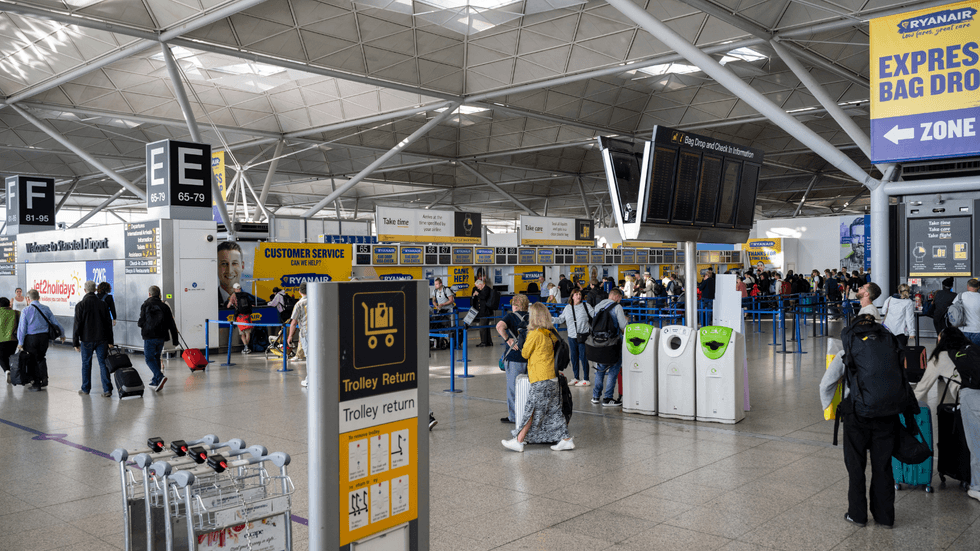
At Heathrow, queues stretched through terminal corridors as passengers waited for information. British Airways cancelled its remaining short-haul services that evening in an effort to protect the following day’s schedule.
Airlines said normal operations took several days to recover. Wizz Air’s UK managing director Yvonne Moynihan said Nats would need to demonstrate meaningful changes to restore confidence.
The incident has renewed calls for greater resilience in Britain’s air traffic infrastructure, particularly as Nats undertakes a wider modernisation of its systems.
For airlines, however, the immediate question is why a single flight-plan entry was capable of causing such widespread disruption — and whether the safeguards they were promised after 2023 were ever sufficient.
Our Standards:
The GB News Editorial Charter