

A new review into Personal Independence Payment (Pip) has urged the benefit to be made “as easy as possible” for people to claim.
The Labour-commissioned review, led by welfare and disability minister Sir Stephen Timms, declared the current system too “stressful” for applicants.
The review published draft recommendations on Thursday calling for a sweeping overhaul of how Pip operates.
Sir Stephen was appointed to head the inquiry last year after Labour backbenchers revolted against government proposals to slash £5billion from the welfare budget, forcing ministers to abandon those plans.
Read Also: Urgent probe launched after Southport attack victims' files accessed in major data breach
Read Also: Briton saves five bears from cages in South Korean camp in extraordinary rescue mission
Sir Stephen said Pip was “widely valued” but “no longer fit for purpose,” with disabled people reporting that it created “barriers to participating fully in work, social and community life.”
Among the draft proposals, the review recommends cutting back on “unnecessary” reassessments for individuals whose disabilities are lifelong or degenerative, a process that currently causes significant anxiety for claimants.
Those with well-evidenced, serious conditions, including people receiving end-of-life care, would be placed on a fast-track assessment pathway.
The review also calls for an end to rules that suspend Pip payments when claimants spend more than 28 consecutive days in hospital, describing the practice as causing “unnecessary stress.”

Opposition parties were scathing in their response.
Shadow work and pensions secretary Helen Whately called it a “wasted opportunity,” adding: “There’s no plan to move from cash handouts to support. No action on Motability abuse.
“No end to benefits for mild anxiety or ADHD. Nothing on why Pip claims for mental health conditions especially among young people have surged.”
She accused Labour of seeking to “make Pip easier to claim, offer more online assessments, hire more people to wave claims through and water down checks further.”
LATEST DEVELOPMENTS
Andy Burnham accused of ‘turning Labour Party into Welfare Party’ as ‘national security’ remark row deepens- ADHD benefits claimants now outnumber British Army soldiers
- Benefits fraudster scams system out of £20,000 by secretly living with husband
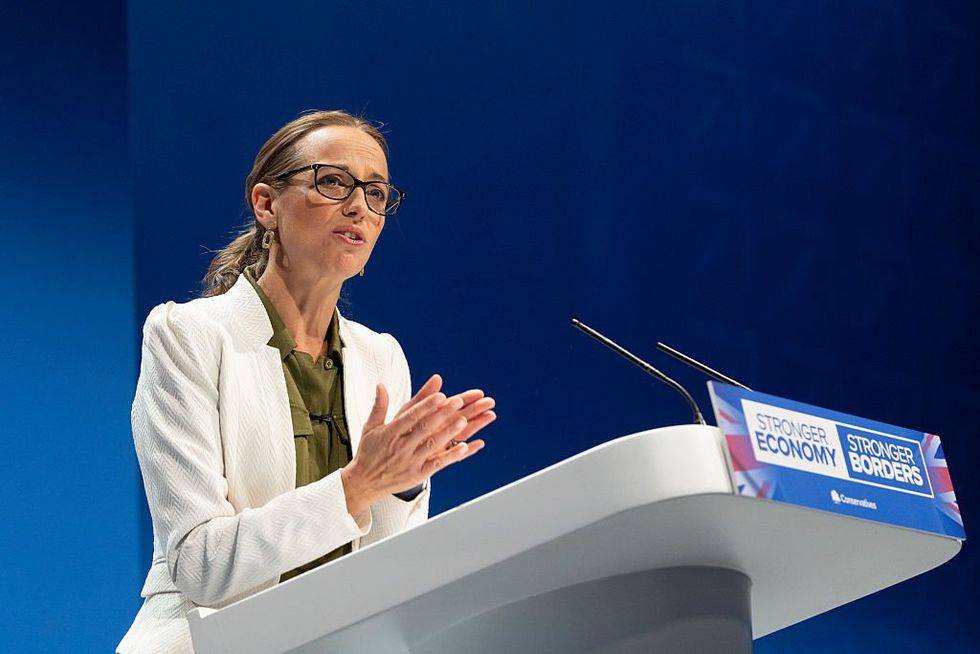
Reform UK treasury spokesman Robert Jenrick added: “These draft recommendations prove the government is not serious about tackling the ballooning benefits bill.
“They do nothing to stop migrants claiming benefits and many of them will actually make it easier for those who don’t need it to claim Pip.
“Reform is clearly the only party with a detailed plan to restore fairness to the system so we can raise the tax-free personal allowance to £15,000.”

Official statistics reveal that more than four million people were receiving Pip in England and Wales as of June, a figure that has doubled since 2019.
The benefit, which ranges from £30.30 to £194.60 per week depending on severity, has seen its costs surge dramatically.
Adjusted for inflation, Pip expenditure stood at £16.3billion in 2019/20 but climbed to £27.3billion by 2024/25.
Current forecasts project spending will balloon further to £41.5billion by 2030/31.
The Timms review is required to work within that spending ceiling, though it has not directly addressed how overall costs might be contained.
The British Social Attitudes survey, published earlier this week, found 49 per cent of adults believed spending on disabled people should increase, with just seven per cent favouring reductions.
A DWP spokesman told GB News: “These are not the final recommendations. The Review, which will report to the Secretary of State this autumn, and he will carefully consider the final proposals within it.
“The Timms Review interim report, co-produced with disabled people, made clear that Pip is no longer fit for purpose.
“Our goal is to deliver a system that supports disabled people and those with long-term conditions to live independent lives, while remaining fair, sustainable, and fit for the future.”
Our Standards:
The GB News Editorial Charter