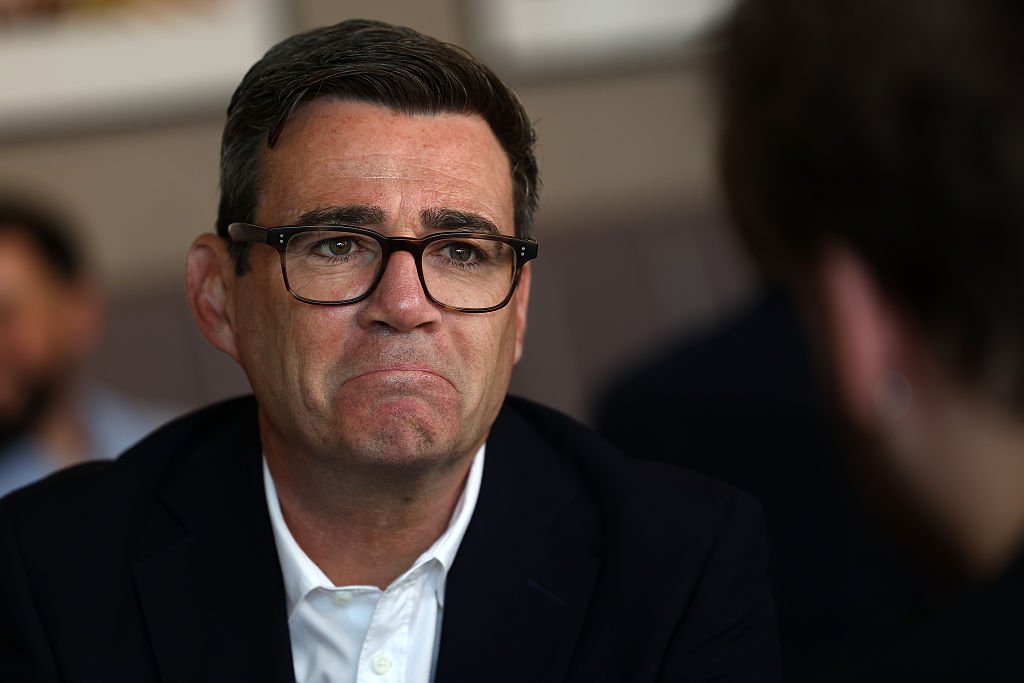

A petition calling for the personal tax allowance to be increased to £18,000 has passed 50,000 signatures, putting renewed pressure on Prime Minister Andy Burnham and Chancellor John Healey over the frozen income tax threshold.
Passing the milestone means the petition is now halfway to the 100,000 signatures required for the issue to be considered for debate in the House of Commons.
Read Also: Travellers win long-running planning row after pitching up on picturesque rural site
The personal allowance has remained at £12,570 since 2021 and, under current Government plans, will not rise until April 2031.
Its prolonged freeze means that as wages increase, more workers are pulled into income tax through fiscal drag.
The Treasury has said raising the allowance to £18,000 would cost more than £40billion a year.
The freeze began in March 2021 when then‑Chancellor Rishi Sunak announced that income tax thresholds would no longer rise with inflation.
The allowance was fixed at £12,570 from April 2021, with the freeze initially due to end in 2026.
Jeremy Hunt later extended it by two years, and Rachel Reeves added a further three years in Budget 2025.
Under the current timetable, the allowance will have remained unchanged for a decade by the time the freeze ends in 2031.

During that period, rising earnings have pushed more people above the basic‑rate threshold.
Analysis from the Institute for Fiscal Studies (IFS) found the allowance would now be £16,070 had it risen with inflation since 2021 — around £3,500 higher than its current level.
The IFS said this represents a 22 per cent real‑terms reduction in the value of the allowance between 2021–22 and 2026–27, with a further eight per cent fall expected by 2030–31.
The think tank also examined the impact of resuming inflation‑linked increases from April 2027 rather than waiting until 2031.
While this would not reverse the real‑terms erosion already locked in, it would prevent further decline.
LATEST DEVELOPMENTS
- Andy Burnham told to ‘ACT NOW’ and scrap controversial tax to help millions
- Major bank launches £250,000 jackpot prize with £100,000 up for grabs each month
- Major interest rate change for millions under Andy Burnham – what you need to know

By 2030–31, the IFS estimates annual tax savings of £198 for most basic‑rate taxpayers and £395 for higher‑rate taxpayers earning below £125,140.
The Treasury previously responded to the petition after it passed 10,000 signatures, stating it had no plans to raise the allowance to £18,000.
Officials warned the £40billion annual cost would be equivalent to cutting roughly a fifth of the NHS budget in England or around two‑thirds of defence spending.
They also argued that higher earners would benefit more on average than basic‑rate taxpayers.
Separately, the IFS has estimated that simply ending the freeze and resuming inflation uprating would cost between £8.5billion and £9billion a year.
Mr Burnham has acknowledged the political importance of the issue, saying during his leadership campaign that the personal allowance was the most common concern raised by voters.
However, the Government has indicated that changes to the threshold will not form part of its early cost‑of‑living measures.
The petition, which remains open until September 30, calls for the tax‑free threshold to rise from £12,570 to £18,000.
Campaigners have highlighted the impact of fiscal drag on workers whose earnings now exceed the frozen allowance, as well as on retirees.
Rising state pension payments mean more pensioners are being drawn into income tax.
HMRC data shows retirees paid around £8billion more in tax last year, with total payments rising from £21.1billion to £29.8billion — an increase of more than 40 per cent over two years.
Recipients of the full new state pension are also due to move above the £12,570 allowance next year, meaning their pension income alone will exceed the frozen threshold.
Our Standards:
The GB News Editorial Charter