


Millions of households have only four weeks to act or face rising energy bills this winter, analysts warn.
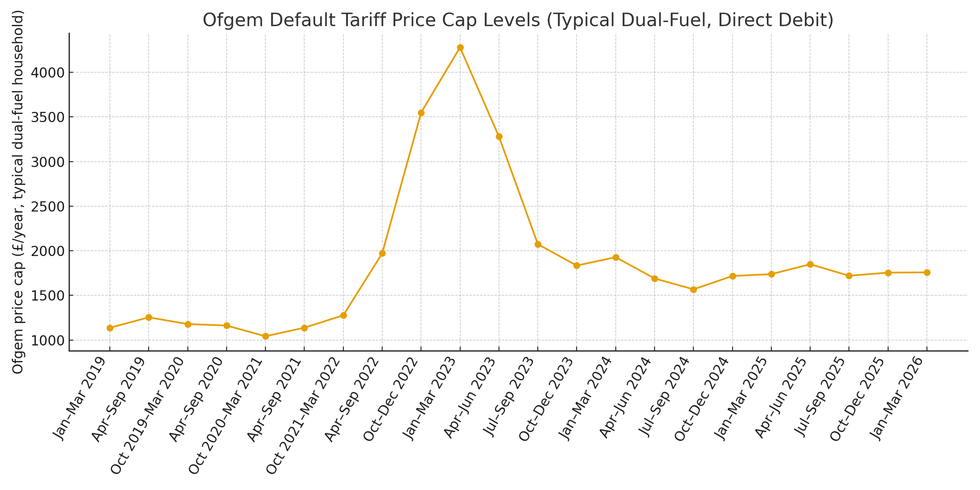
Price comparison service Uswitch is warning families on a variable tariff that the energy price cap, which determines the highest rates suppliers can charge customers on default tariffs, is set to climb four per cent on 1 October, pushing the typical annual bill to £1,723.
Read Also: Travellers win long-running planning row after pitching up on picturesque rural site
Uswitch is calling on households not to sleepwalk into winter price hikes and instead explore cheaper alternatives while competitive fixed tariffs remain on the market.
Forecasters predict an additional 8.6 per cent jump in January, which would take the average annual bill to £1,872, a cumulative increase of 12.6 per cent in just half a year.

Some energy suppliers anticipate an even steeper rise at the start of 2025, with the average of their predictions pointing to bills reaching £1,948.
According to Uswitch, nearly three in five households on standard variable tariffs (58 per cent) are anxious about whether they can afford to heat their homes this winter.
Perhaps more concerning, almost a quarter (23 per cent) of those on default tariffs report feeling powerless in the face of the approaching price increases, despite the fact that most could shield themselves by locking in a competitive fixed deal.
Currently, 20 fixed tariffs on the market beat the incoming October price cap, offering households potential savings of up to £185, equivalent to an 11 per cent reduction against standard variable rates.
LATEST DEVELOPMENTS
- Gas prices surge to three-year high as Britain’s reserves fall to lowest in Europe
- British Gas, OVO, EDF, and Octopus customers warned of ‘vampire devices’ adding £147 to energy bills
- Martin Lewis urges households to consider ‘no-brainer’ move before October price cap rise

The most affordable option available is an 18-month fixed deal from Fuse Energy, costing £1,538 annually for a typical home.
That sits £334 beneath the £1,872 January cap forecast produced by Cornwall Insight. These default plans, a supplier’s basic variable rate, allow unit prices to shift at any point, typically adjusting four times annually in line with price cap changes.
Crucially, customers are automatically moved onto these default rates once a previous fixed or promotional tariff expires, meaning many end up on costlier plans without actively choosing them.
Ben Gallizzi, an energy expert from Uswitch.com, stressed the need for immediate action.
He explained: “For the millions of households on standard variable tariffs, energy bills will rise on October 1 unless they take action now.
“This is the time to get on top of your bills, with predictions showing an additional seven per cent increase in January, when we use significantly more energy to heat our homes.”
“There are 20 fixed deals available that are cheaper than the price cap, with savings on offer of up to £185 compared to October rates.
“These deals might not be around for long, so take a few minutes to check online to see what is available to you.”
Our Standards:
The GB News Editorial Charter