
A council has warned its residents to “be vigilant” and not to touch the UK’s most poisonous plant which is in bloom at this time of year.
Hemlock water dropwort is widely considered the most toxic native plant in the UK and grows in damp areas like riverbanks, marshes, and ditches.
Read Also: Travellers win long-running planning row after pitching up on picturesque rural site
It is particularly notorious among foragers because it smells and tastes deceptively pleasant, similar to celery or parsley.
Also known as “dead man’s fingers”, the poisonous plant can be fatal to humans and animals, even in small quantities.
If ingested, it can cause death within hours.
It is very common and naturally occurring across multiple regions of the UK, including the Scottish region of Argyll and Bute, where the warning was issued, as it thrives in the lowland coastal areas.
The region’s vast coastline, riverbanks, and marshy habitats provide the perfect growing conditions.
The local council has published new safety information about the plant, urging residents to “enjoy the outdoors safely”.


It reads: “There are also a number of potentially dangerous plants that are blooming at this time of year that should be avoided.”
“Hemlock water dropwort is a naturally occurring plant and could be found along any foreshore. It is poisonous if ingested, so we advise people to be vigilant.
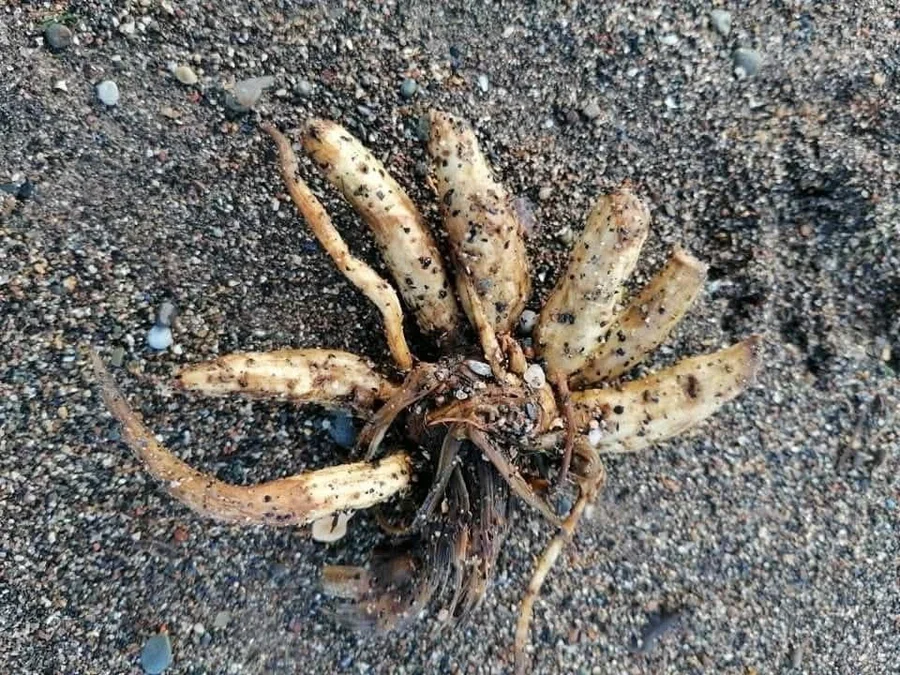
“Ordinarily the roots, or tubers, are not exposed, but during stormy weather the roots can be disturbed and uncovered.
“Take care and do not touch or allow children or pets to come into contact with any plant growing wild that you are unsure about.”
LATEST DEVELOPMENTS:
- British beachgoers issued warning for MILES of coastline after potentially fatal poisonous plant found – ‘Do not touch!’
- Centuries-old British tradition banned by SNP after violent ‘animal rights’ uproar
- Postcode Lottery winner scoops £250K after son misses out to neighbours

If ingested, hemlock water dropwort causes muscle contractions that can lead to asphyxia.
This unique property was most sinisterly used by the Phoenician empire, which would ritually kill the elderly or criminals using the plant’s poison.
Those killed by the plant’s poison would die with a rictus-like death grin due to the constriction of muscles in the face.
The council’s warning is especially pertinent given swathes of Scotland are under the effects of a yellow thunderstorm alert, meaning the plant’s root systems could become exposed.
If discovered, residents should contact the council who will be able to safely dispose of the plant.

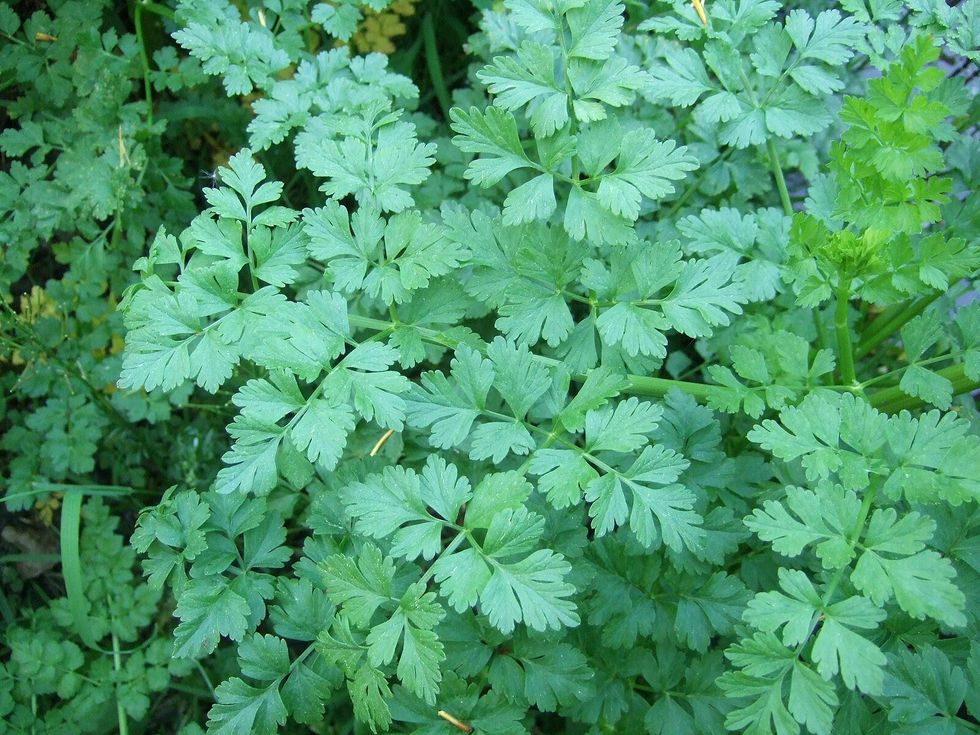
Hemlock Water Dropwort has bright green and glossy leaves with two to four pinnate divisions in a triangular shape.
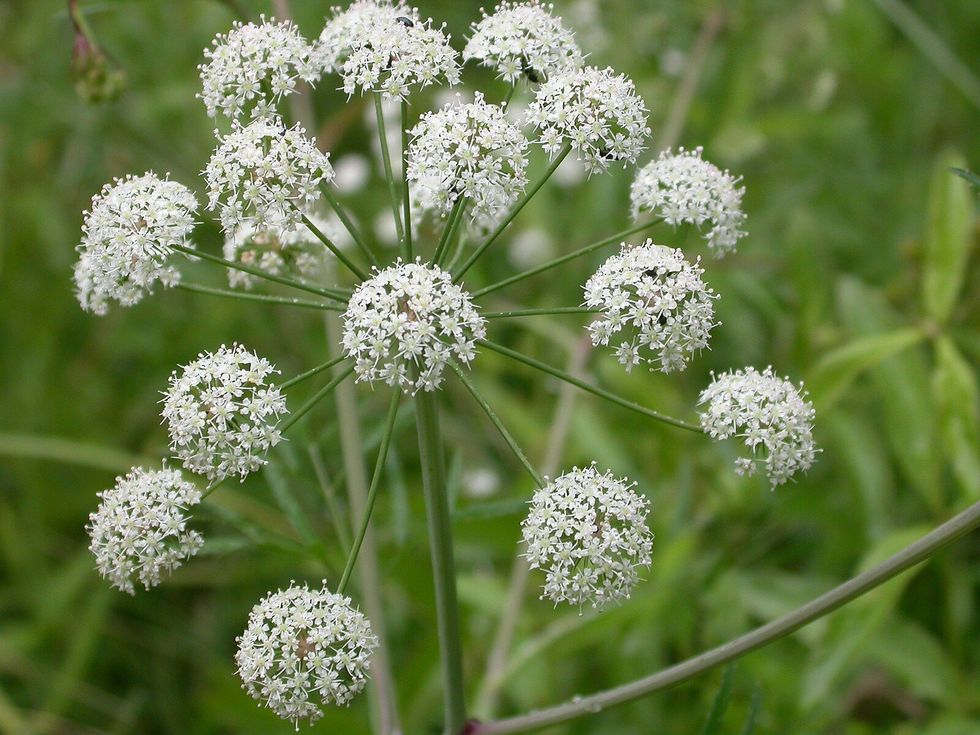
When it flowers, it produces small white petals arranged in an umbel, stalks of nearly equal length springing from a common centre.
The plant is often mistaken for being a member of the parsley family due to the shape of its leaves and flowers.
Its stem is green, hollow, grooved and hairless and can grow up to six feet tall.
However, when cut, the stem oozes a staining yellow liquid.
Millom Coastguard Rescue Team, which operates across the West Cumbrian coastline and the South Lakes, was previously forced to issue an alert on its Facebook page back in December, warning beachgoers and dog walkers about the plant.
Millom Coastguard wrote on Facebook at the time: “Please be aware that we have received reports of a highly poisonous plant being washed up on local beaches.
“So far there have been confirmed sightings between Drigg and Parton. Hemlock Water Dropwort (Oenanthe crocata), also known as Dead Man’s Fingers.
“Even a small portion can prove fatal to humans by attacking the nervous system. It is also fatal to animals. The plant has a highly poisonous root that looks, and smells, like Parsnip. It is highly likely that this is happening due to the aftermath of recent stormy weather.
“We advise people, especially with children and animals, to stay vigilant, avoid this plant and take extra care when visiting the beach. We are not the agency responsible for its disposal. Sightings should be reported to your local council who will arrange disposal. Please do not touch.”
Our Standards: The GB News Editorial Charter