
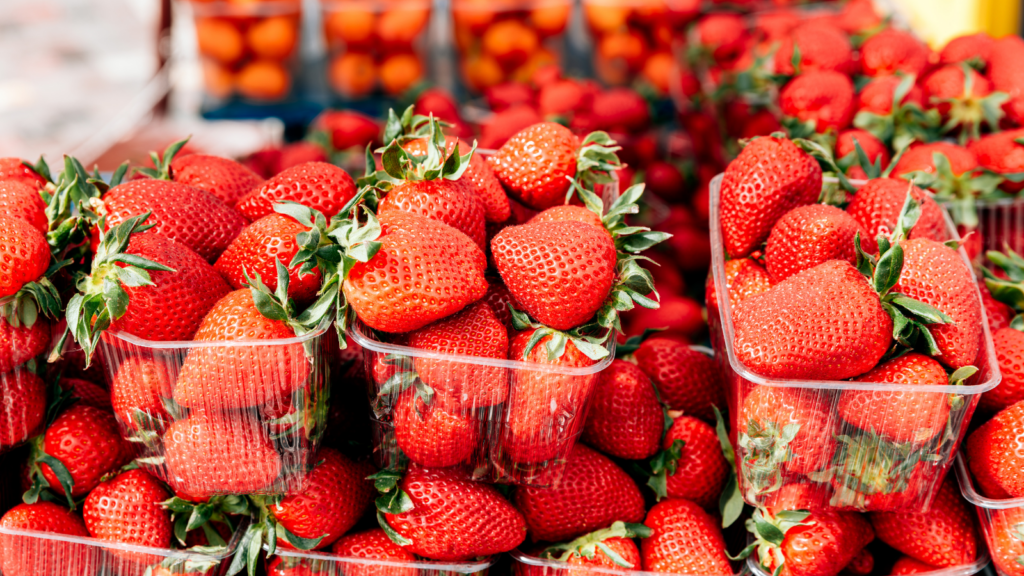

Gene-edited fruit could be sold in British supermarkets for the first time, with specially bred strawberries and vitamin D-enriched tomatoes moving closer to hitting shelves.
The Government is poised to grant marketing notices for the precision-bred products, which will also require Food Standards Agency approval before they can eventually be sold to consumers.
Among the crops are “sunshine” tomatoes developed by scientists at the John Innes Centre in Norfolk, which contain enhanced levels of vitamin D.
The tomatoes can provide vitamin D levels equivalent to two eggs or 28 grams of tuna.
Read Also: British officials hauled into US embassy for grilling over Labour's internet crackdowns
Meanwhile, eight strawberry varieties developed by American agricultural company Simplot have been precision-bred to produce fruit over a longer period.
Scientists say the changes could extend the British strawberry-growing season without altering the fruit’s taste or nutritional profile.
Shoppers will not see labels identifying the products as gene-edited when they eventually reach supermarket shelves.
Gene editing involves making small, targeted alterations to a plant’s existing DNA and differs from genetic modification, which can involve introducing new genetic material.
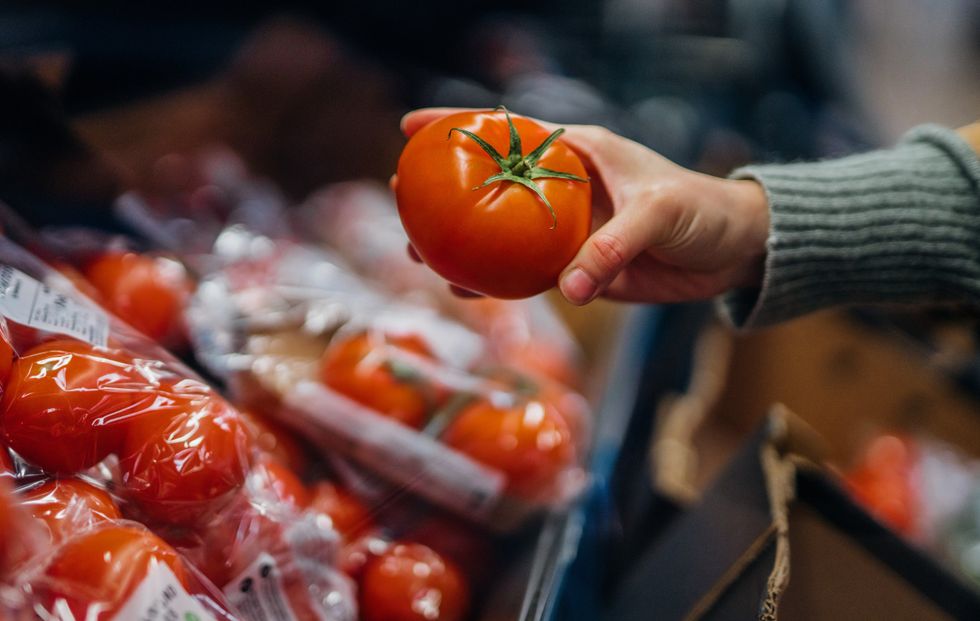
Defra has said the biofortified tomatoes could help tackle what it described as “endemic vitamin D deficiency” in Britain.
Scientists developed the tomatoes by deactivating a gene responsible for producing an enzyme that converts vitamin D3 into cholesterol, allowing the nutrient to accumulate.
Professor Cathie Martin, who heads the laboratory behind the tomatoes, said: “This is an important step in getting the tomato approved to go to market in England.”
She added that the vitamin-enriched variety “could one day be a low-cost, simple, plant-based solution that can improve diets across the world”.
FOOD – READ THE LATEST:
- Greggs brings back controversial bake for first time in 7 years – and you can swap for free if you don’t like it
- From seasonal firsts to return of Pumpkin Spice Latte: Starbucks new menu to launch within hours
- Asda shoppers to see major change as digital price tags arrive in 500 stores

For the strawberries, scientists switched off specific genes to allow the plants to produce fruit across a longer period.
Dr Penny Hundleby, of the John Innes Centre, said: “By extending the fruiting period, they could help increase the availability of British strawberries and reduce reliance on imports, all without changing the taste, flavour or nutritional profile of the fruit.”
Diego Durantini, programme manager at the John Innes Centre, said: “Vitamin D deficiency is a growing problem and we are excited that our biofortified tomato could soon be a wide reaching solution to this issue.”
Other precision-bred crops to have secured Defra marketing notices include disease-resistant potatoes, high-fat barley designed for cattle feed and wheat containing reduced levels of a chemical associated with cancer.
But the development comes amid uncertainty over the future of gene-edited crops in Britain as the Government pursues closer ties with Brussels.
The Telegraph reported last month that gene-edited crops risk being prohibited in Britain as part of Labour’s EU-reset deal.
Prime Minister Andy Burnham has faced calls from politicians and industry figures to resist demands from Brussels that could restrict the technology.
Before leaving office, Sir Keir Starmer had been involved in negotiations with the bloc aimed at bringing British and European food product standards into closer alignment.
Such an agreement could threaten Britain’s more permissive approach to precision breeding, which was introduced following Brexit.
The EU maintains stricter rules surrounding gene-edited crops, although the bloc has been moving towards reforming its approach to the technology.
Our Standards: The GB News Editorial Charter