
Britons face a ban from filling swimming pools and washing cars for the first time in decades if an extremely rare “drought order” is issued.
Southern Water has warned that unless it can ban “unnecessary” water use, more than 150,000 Britons in Southampton, Eastleigh and the surrounding areas would face water shortages.
Read Also: Travellers win long-running planning row after pitching up on picturesque rural site
Ministers are now reviewing a rare drought order from the company which would impose a non-essential use ban (NEUB) across parts of Hampshire and the Isle of Wight.
The last time a ban was granted was in 2006 and before that, 1996.
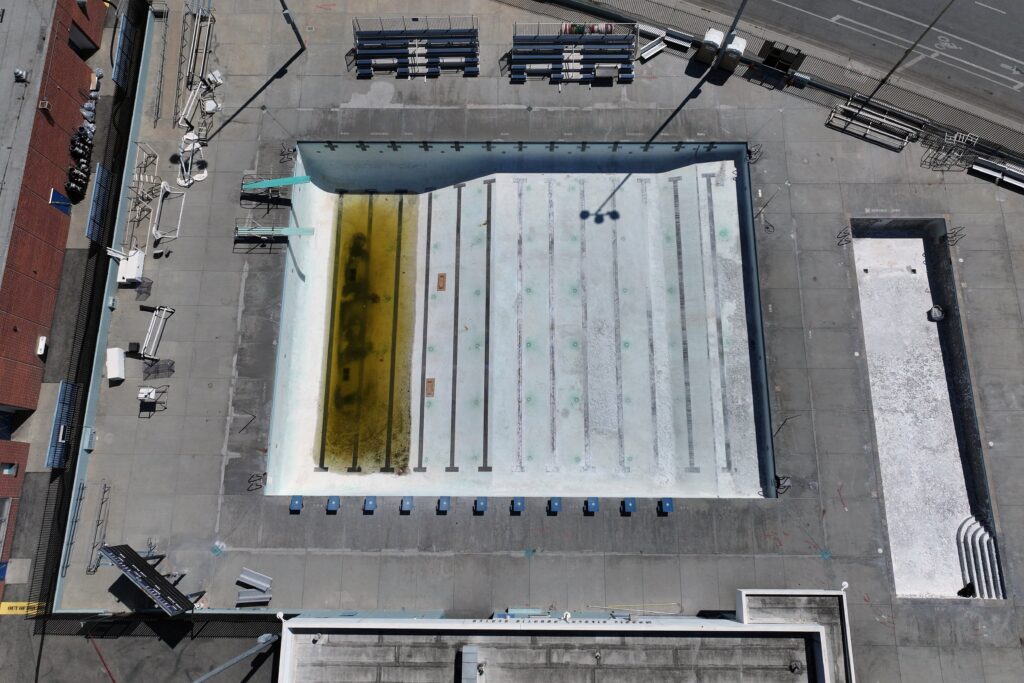
If approved, washing vehicles, cleaning windows, watering gardens, and filling pools would all be banned.
The decision now lies with Environment Secretary Angela Eagle, who has 28 days to approve or reject the application.
In 2006, Sutton and East Surrey Water banned the filling of swimming pools, ponds, and fountains, along with the watering of all parks.
It also gave the water firm powers to ban hosing down vehicles – including aircraft at Gatwick.

The application follows widespread hosepipe bans, with a drought declared in over 70 per cent of the country.
More than 27 million people are currently banned from using their hosepipe to fill paddling pools or water their gardens, but if the NEUB is approved, it would represent a significant escalation in Britain’s water limitations.
Southern Water insisted the ban had to be put in place because of regulatory requirements and overwhelming environmental pressure.
In the application, it said: “Without the NEUB drought order, the reduction in the volume of water that Southern Water can abstract from the [Test] will directly impact its ability to meet customer demand.
HEATWAVE BRITAIN – READ MORE:
- Britain facing ‘worst food security crisis in decades’ as UK on track for hottest summer on record
- Nearly three-quarters of Britain officially in drought amid record weather conditions
- UK weather: Met Office issues amber extreme heat warning as parts of Britain to see 38C

The company relies on the River Test, a globally rare chalk stream, to ensure water supply to Southampton and the Isle of Wight.
Since 2018, the Environment Agency has been required to keep the flow of the unique lowland river at higher levels.
The company said: “Without the NEUB drought order, the reduction in the volume of water that Southern Water can abstract from the [Test] will directly impact its ability to meet customer demand.”
If limits on the Test are hit, water supplies may only last for a day or two, but it would soon struggle to maintain water supplies, Southern Water said.
The company has, however, insisted the application is just a precautionary measure, pointing to the fact it applied for the NEUB in July last year before long-awaited rainfall made the ban unnecessary.

Mike Kendon, a Met Office scientist, told The Times: “Another record-breaking summer now looks increasingly likely for the UK, following the second-warmest June and second-warmest July on record and yet another heatwave imminent.”
A spokesman for Department for the Environment, Food and Rural Affairs said: “This government is ready to take action to help secure water supplies if required. We are working closely with the Environment Agency, water companies, farmers, and environmental organisations to protect water supplies and minimise environmental damage.
“We all have a role to save water in these unprecedented times, and any drought order must weighed up carefully against impacts to nature and people.”
Yvette Cooper, the Health Secretary, said: “There are heat health alerts in place again this week – this means temperatures are set to rise significantly, and people should take extra care.
“Keep an eye on elderly relatives, neighbours and loved ones, or anyone who might really be feeling the heat, just as we would during a cold spell in winter.”
Our Standards:
The GB News Editorial Charter