
British scientists are fighting to save a rare snail which is considered “as precious as an Egyptian artefact”.
Ian Hughes, based in Llanarth, Ceredigion, has devoted himself to protecting the glutinous snail, one of Europe’s rarest species, after becoming “beguiled by their cuteness.”
The fingertip-sized mollusc survives in just one British lake.
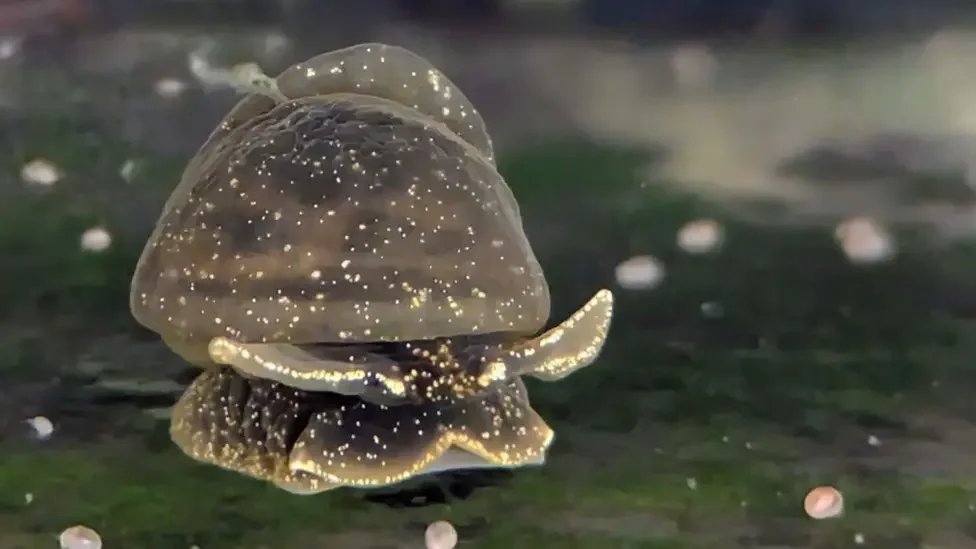
The creature, known scientifically as Myxas glutinosa, gets its name from the sticky mantle that envelops its fragile, gold-flecked brown shell.
Read Also: Urgent probe launched after Southport attack victims' files accessed in major data breach
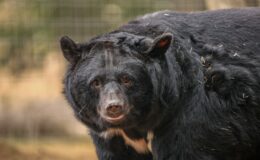
Read Also: Briton saves five bears from cages in South Korean camp in extraordinary rescue mission
Mr Hughes has likened its oversized antennae to “big floppy ears.”
At one stage, his back garden greenhouse contained more of the species than had ever been recorded in their natural habitat.
“There was a point where we’d got more snails in our garden than have ever been seen in the wild,” he said.
Water pollution and habitat destruction have been blamed for wiping the algae-feeding snails out entirely across England.
The species, once common throughout British waterways, is regarded as a marker of clean, healthy freshwater environments.

Their sole remaining UK stronghold is Llyn Tegid in Eryri National Park, Wales’s largest natural lake.
Mr Hughes has been venturing into the lake under licence from Natural Resources Wales since 2014 to gather and research the creatures, while also constructing small concrete refuges for them beneath the water.
He established a captive colony in his greenhouse, unsure whether they would survive.
Four months later, eggs appeared in the tank.
“Nobody had knowingly seen their eggs before we made that breakthrough,” he told the BBC
LATEST DEVELOPMENTS
- Gunman who shot Spain’s oldest orca faces staggering €2MILLION fine
- Bizarre creature caught on film for first time ever lurking miles below surface of sea
- Scientists lift lid on lives of three of Britain’s most vulnerable shark species

Mr Hughes is now collaborating with the British and Irish Association of Zoos and Aquariums (BIAZA) to distribute their captive-bred snails to wildlife parks across England.
Samantha Eden, assistant curator at Wingham Wildlife Park in Kent, collected 24 of the molluscs from the Mr Hughes household.
“We’ve got a new facility that we’ve set up for them – three beautiful ponds where we’re going to be breeding them, learning about them and understanding a little bit more about their environmental needs,” she told the national broadcaster.
Askham Bryan Wildlife Park in York, Longleat in Wiltshire, and both Dudley and Chester zoos have also joined the programme.
Meanwhile, the Freshwater Habitats Trust is scouting for suitable water bodies where the snails might ultimately be returned to the wild.
Nicky Needham, head of species management and conservation at BIAZA, said extensive research into the snails’ ecology, husbandry and genetics was under way.
“With fingers and toes crossed I’d like to think that we could achieve that within three years’ time,” she said of reintroduction efforts.
The initiative forms part of a £60m government-backed programme to safeguard rare species, though climate change poses a growing risk.
Simon Jones, assistant warden at Eryri National Park, warned the species faced “an increased threat” but said zoo involvement improved the odds of survival.
Mr Hughes described the snails as “an absolute treasure – like an Egyptian artefact” and called their preservation “a duty to our children and grandchildren.”
Our Standards: The GB News Editorial Charter