
Ukraine has granted Britain unprecedented access to an “intelligence goldmine” in order to thwart espionage plans by Russia.
Kyiv has allowed Britain to become the first country to access the classified “Avengers” artificial intelligence database.
Read Also: Travellers win long-running planning row after pitching up on picturesque rural site
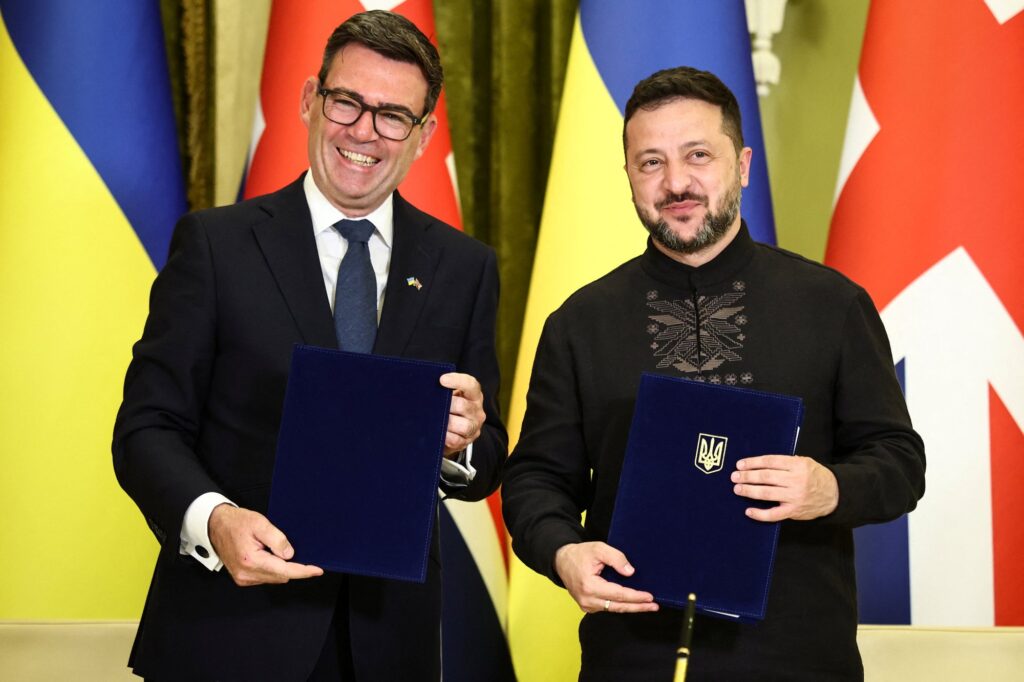
The agreement, signed by Volodymyr Zelensky and Prime Minister Andy Burnham in Kyiv, hands the Ministry of Defence millions of images depicting Russian tanks, air defence systems, infantry, drones and artillery pieces.
Gathered by thousands of cameras and infrared sensors deployed across Ukrainian frontlines, the repository represents what officials have described as an intelligence “goldmine”.
The data will be used to train AI models employed by Britain’s armed forces, enabling them to identify and counter threats, such as Russian unmanned aerial vehicles, with far greater speed than current systems allow.
The technology is set to be rolled out imminently at UK defence installations, where AI-powered sensors will provide an additional layer of protection against protesters, saboteurs and hostile actors seeking to gather intelligence.
One of the initial projects will convert buried fibre-optic cables into a vast AI-enabled detection network for military use.
Beyond safeguarding bases, Downing Street indicated the system could eventually be extended to secure airports, prisons, railway networks and energy plants across the country.

Last year, RAF Brize Norton was allegedly targeted by Palestine Action, which claimed responsibility after two Voyager aircraft sustained damage, an incident that highlighted the vulnerability of military sites to hostile interference.
Officials said the agreement could ultimately “revolutionise all parts of public life, from air traffic control to train systems”.
British startups have already begun pilot projects under the partnership: Bristol-based Sintela, Oxford’s Mind Foundry and London firm Skyral.
Mr Burnham hailed Ukraine as “one of the world’s leading innovators in defence technology” and said the collaboration would marry Kyiv’s unmatched operational experience with Britain’s AI expertise.
LATEST DEVELOPMENTS FROM UKRAINE
- Kremlin directly circles targets in Britain for attack from ‘unknown sources’
- Andy Burnham’s Ukraine plan branded ‘purely symbolic’ as expert warns Britain has little influence in war
- King Charles sends heartfelt message to Ukraine as he praises nation’s ‘extraordinary fortitude’

The Prime Minister said: “This groundbreaking partnership will bring together Ukraine’s unrivalled operational experience with Britain’s world-class AI ecosystem, giving us the opportunity to develop the technologies of the future, changing lives here in Britain and saving lives on the battlefield in Ukraine.”
A second phase of the programme will see both countries jointly develop next-generation low-power AI chips designed to drive future drones, robotic platforms and autonomous systems.
If the effort succeeds, it could underpin a new class of intelligent machines able to operate longer, react faster and function in conditions where conventional technology falters.
The intelligence-sharing deal came during Mr Burnham’s maiden overseas visit as Prime Minister, which also saw him agree to declassify blueprints for British-made components in the Storm Shadow missile so that Ukraine can manufacture the long-range weapon itself.
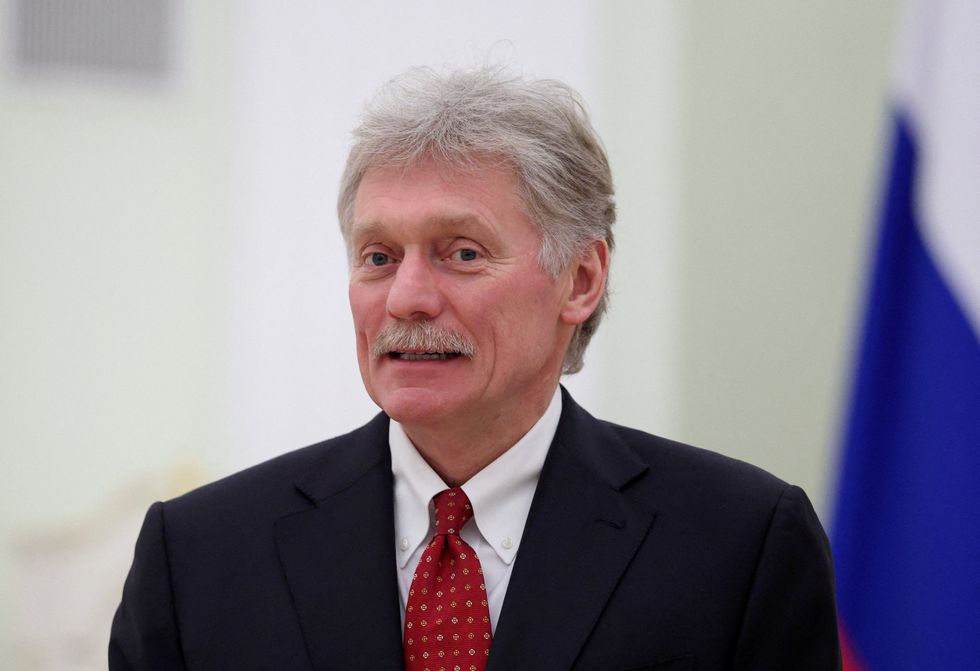
Moscow reacted with fury, with Kremlin spokesman Dmitry Peskov accusing Britain of “adding fuel to the fire” and obstructing any progress towards peace.
Mr Burnham shot back: “Who started the fire? That’s the question, isn’t it?”
On top of this, ex-Army commander Hamish de Bretton-Gordon warned that Russia’s secret service could set its sights on EU defence bosses – including those in the UK.
Pointing to incidents including the poisoning of former Russian Federal Security Service officer Alexander Litvinenko in 2006, he told The Sun: “We have been in a hybrid war with Russia for some time.”

The threats escalated further when Andrei Fedorov, a former Russian deputy foreign minister and adviser to Vladimir Putin, told BBC Newsnight he could not “100 per cent exclude” the possibility of “semi-military action” against Britain.
He went on to suggest factories producing drones or missile components for Ukraine could be attacked by “unknown sources”.
Russia has been waging a wider campaign of destabilisation across Europe, with western intelligence sources linking Moscow to a series of attacks on armaments factories.
The Kremlin has reportedly recruited local gang members to carry out sabotage operations calibrated to fall just short of triggering Nato’s Article 5 mutual defence clause.
German police earlier this year foiled a suspected Russian-linked attempt on Stefan Thumann, chief executive of drone manufacturer Donaustahl, after foreign intelligence services raised the alarm.
This echoed a similar plot two years earlier against Armin Papperger, head of defence giant Rheinmetall.
Our Standards:
The GB News Editorial Charter