
Britain foiled a secret Russian military plot to disable “critical” undersea cables earlier this year, it has been revealed.
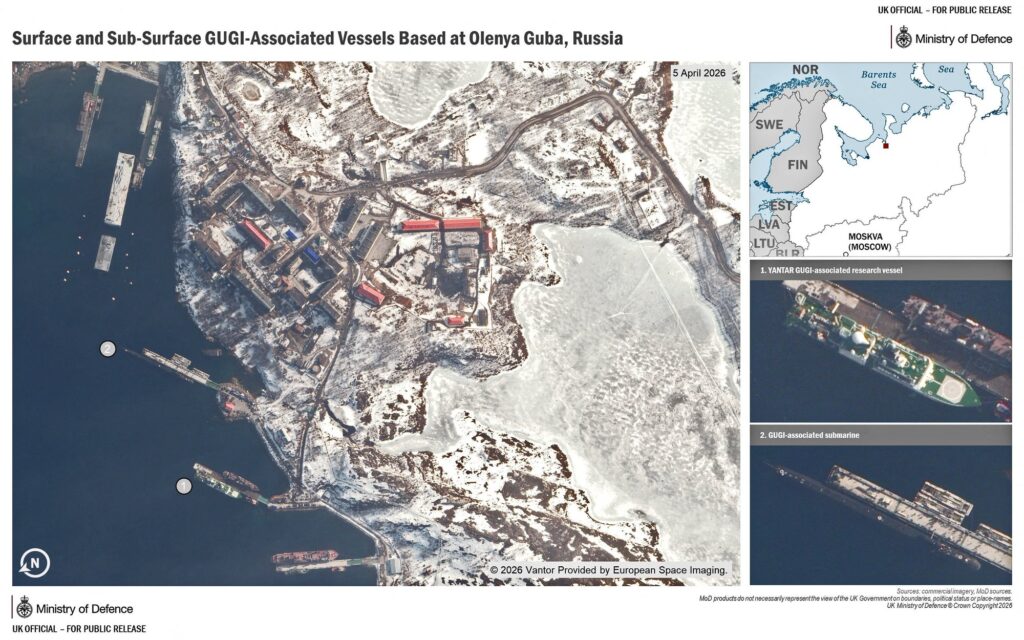
Nato allies caught Russian submarines working on a secret weapon designed to disable vital undersea cable infrastructure near the Svalbard archipelago, which belongs to Norway.
The clandestine operation, revealed by two Western officials, was conducted by Russia’s GUGI undersea warfare directorate, which used deep-sea technology to deploy their weapon.
Britain, along with the United States and Norway, traced the Russian covert operation and confronted the vessels, the two officials told Reuters, under the condition of anonymity.
Read Also: Urgent probe launched after Southport attack victims' files accessed in major data breach
In April, Britain and Norway had already announced that a Russian operation in Arctic waters had been unearthed, but the discovery of the destructive technology, the location and the US’s involvement were not revealed at the time.
Deep sea cable infrastructure forms the backbone of global digital connectivity and financial transactions.
In the Svalbard archipelago, there are three cable systems: the Artic Way, the Svalbard Undersea Cable System and Longyearbyen-Ny-Ålesund.
The cables, no thicker than a garden hose, hold significant economic and strategic value, making them popular targets in conflicts, including the First and Second World Wars, where they were critical in delivering communications via telegraph or telephone.

The confrontation comes as Western intelligence fear Moscow is ramping up its efforts to disrupt Europe and is preparing a conflict with Nato.
US intelligence analysts are becoming increasingly anxious that Russia might test the strength of the alliance’s mutual defence agreement – Article 5 of Nato.
Three US officials said that destroying deep sea cables would be a significant element of that effort.
MORE TO FOLLOW…
LATEST DEVELOPMENTS
- Britain to mobilise thousands of veterans in major war drill amid growing threat from Russia
- Volodymyr Zelensky must ‘make compromise’ with Vladimir Putin, Donald Trump envoy says
- Vladimir Putin’s missiles strike British business factory as building engulfed in flames
Our Standards:
The GB News Editorial Charter