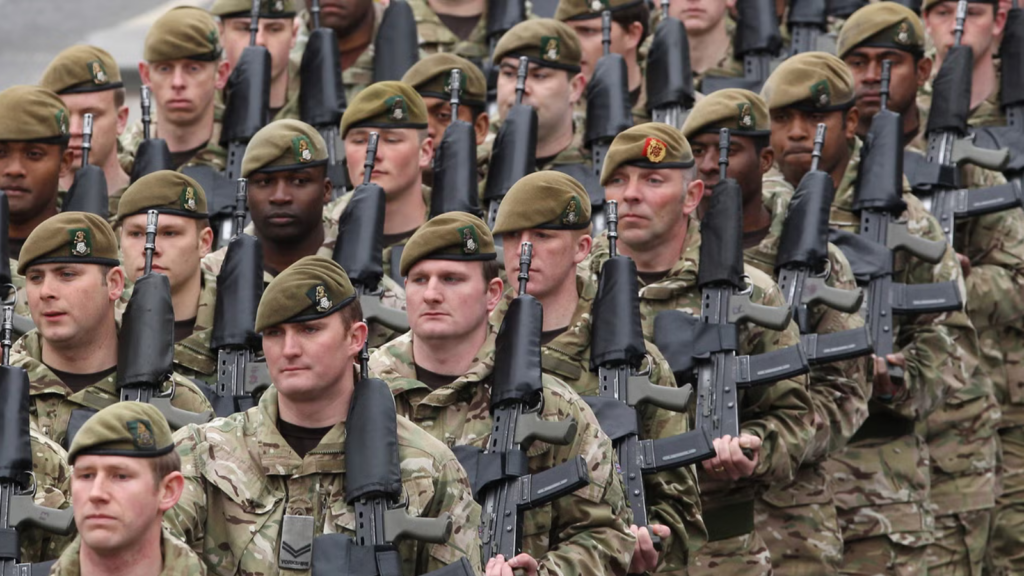

The Army turned away the equivalent of more than 200 would-be recruits every day last year despite troop numbers plunging to a historic low.
Almost 74,000 applications were rejected during the 2024/25 financial year, around 20,000 more than the previous year, according to figures reported by The Times.
Read Also: Travellers win long-running planning row after pitching up on picturesque rural site
The extraordinary rejection rate comes as the British Army struggles with historically low manpower and mounting pressure to bolster Britain’s military capabilities.
Official MoD figures show applications to the Army’s regular forces surged to more than 162,000 in the year to March 2025 – up more than 40 per cent on the previous 12 months.
But tens of thousands failed to make it through the recruitment process.
More than 32,000 applications were rejected on medical grounds, potentially including conditions such as psoriasis, diabetes and serious food allergies.
Restrictions surrounding hay fever, eczema and acne were relaxed two years ago as part of efforts to widen the recruitment pool.
Almost 22,000 applications from Commonwealth countries were also rejected amid restrictions on the number of foreign recruits entering the Armed Forces.
The MoD has acknowledged that the sharp rise in applications was largely driven by Commonwealth candidates, who accounted for 41 per cent of Army Regular Other Ranks applications in 2024/25.
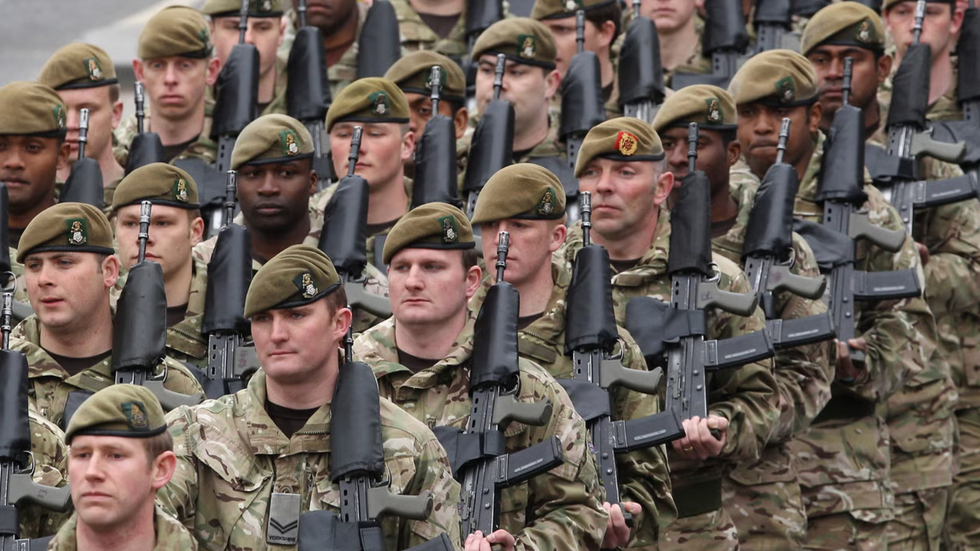
More than 360 applications were also rejected because of tattoos or piercings.
The Army relaxed its rules more than a decade ago to permit tattoos on the neck and hands, although tattoos on the head and face remain prohibited.
The rejection figures come as ministers face growing pressure over the size of Britain’s fighting force.
Around 11,000 new soldiers are estimated to be needed each year to replace those leaving the services, with Britain having last reached that level in 2010.
The Government’s Strategic Defence Review called for further reductions in Army numbers to end and proposed increasing personnel to 76,000 when funding allows.
BRITAIN’S ARMED FORCES – READ MORE:
- WW2 veteran who lied about his age to get into British Army dies aged 101
- British soldier fighting for Putin in Ukraine paraded on Russian TV days after first UK troop died
- British soldiers could fly deep into enemy territory with revolutionary new paraglider

But an unfunded £5billion commitment has since emerged in this year’s defence investment plan, raising questions over how the expansion will be paid for.
Shadow Defence Secretary James Cartlidge accused Labour of pushing plans to increase personnel “into the long grass”.
He said: “With Russia ramping up its threats every day, Labour needs to be growing the armed forces and strengthening our deterrence.
“Instead, we have a chancellor unable to commit to the very target of 3 per cent defence spending that he previously resigned over.”
Chancellor John Healey is expected to omit a target for Britain to spend three per cent of GDP on defence by 2030 from his first Budget in October.
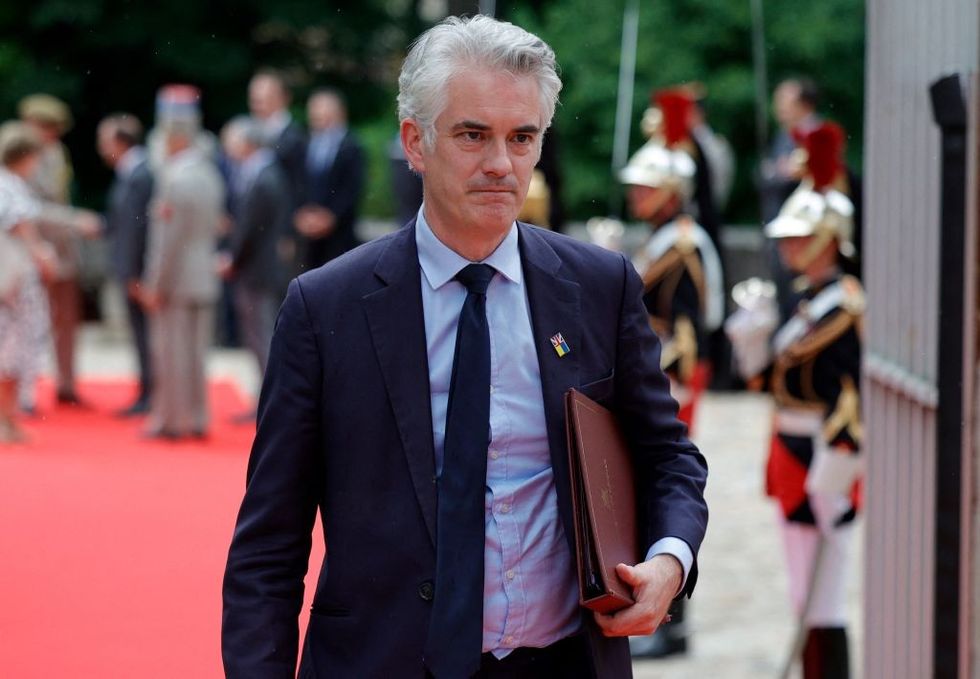
The manpower squeeze comes amid heightened tensions with Moscow and uncertainty over Britain’s ability to contribute thousands of soldiers to a potential peacekeeping force in Ukraine.
British military chiefs initially proposed sending 10,000 troops as part of a wider 64,000-strong “coalition of the willing”, before the MoD scaled back the plans after deeming that number unsustainable.
Ukrainian President Volodymyr Zelensky said in February that Britain and France would each contribute 5,000 troops, equivalent to a brigade-sized deployment.
Reports subsequently suggested Britain would need to withdraw troops from Estonia and Cyprus to assemble a force of that size.
Tensions with Moscow have meanwhile intensified following revelations that British-made drones were used by Ukraine in deep-strike missions on Russian territory.
Russian Foreign Minister Sergei Lavrov has accused Britain of becoming directly involved in the war and warned it would face retaliatory “consequences”.
Our Standards: The GB News Editorial Charter