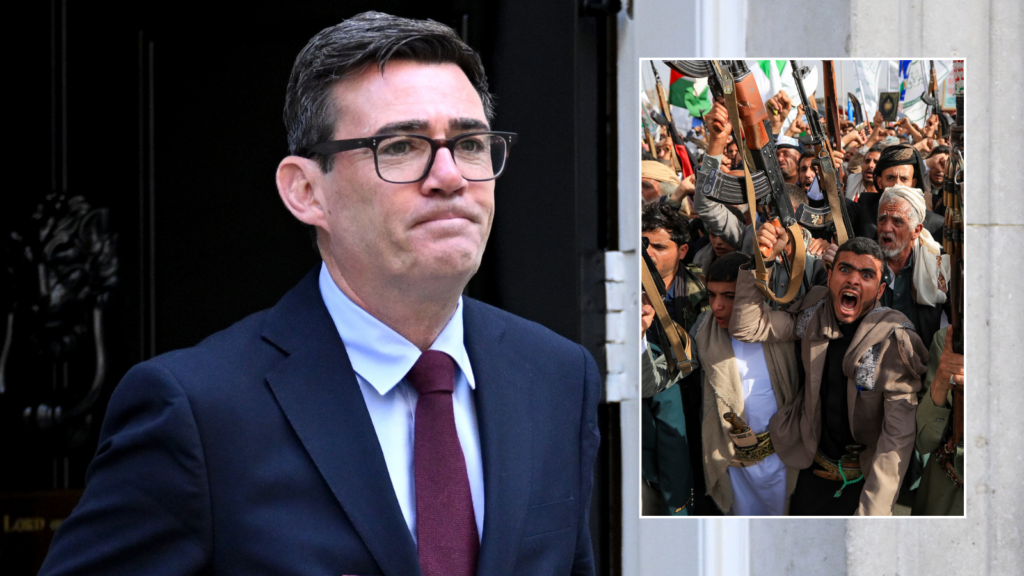

Andy Burnham is facing calls to proscribe the Houthis as the Iran-backed militants threaten to send Britons’ energy bills soaring by tightening their grip on a crucial global shipping route.
Former British ambassador to Yemen Edmund Fitton-Brown warned the group’s rapid advance along the Red Sea coastline risks further disruption to global energy supplies.
Mr Fitton-Brown, who served as Britain’s ambassador between 2015 and 2017, branded the UK’s refusal to designate the Houthis a terrorist organisation “increasingly absurd”.
Writing in The Telegraph, he said: “We consider them dangerous enough to bomb, but not dangerous enough to call terrorists.”
Read Also: Earl Charles Spencer's new book on Princess Diana stolen in Dutch lorry raid
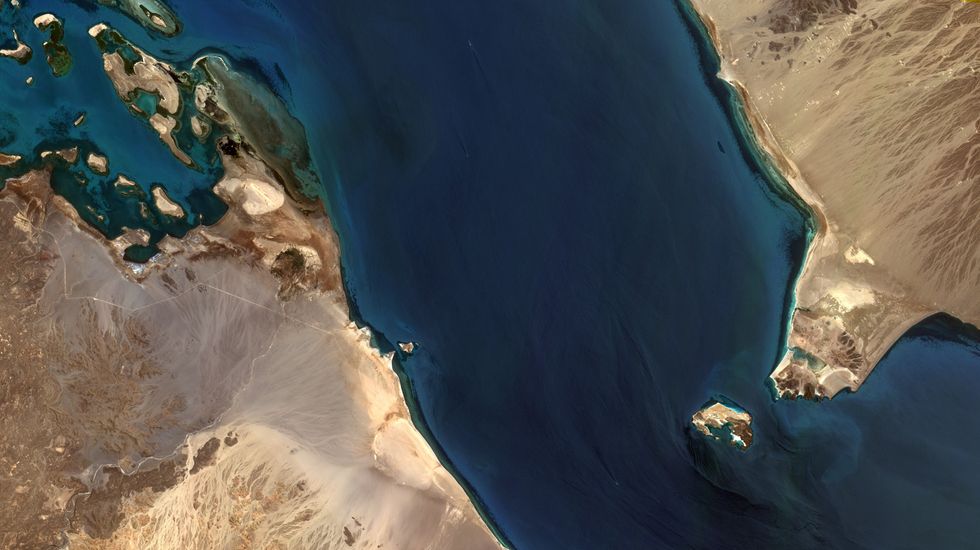
His intervention comes after the Houthis strengthened their control over stretches of Yemen’s Red Sea coastline near the Bab al-Mandeb strait.
The strategic chokepoint connects the Red Sea to the Gulf of Aden and is a crucial route for international shipping and energy supplies.
The militants have made rapid gains during a lightning offensive over the past week, raising fears that further instability could push global energy prices higher.
Fighting has also intensified around Marib, the last major northern stronghold held by Yemen’s internationally recognised government and home to the country’s largest oil and gas reserves.

Saudi-backed government forces have launched air strikes in an attempt to halt the Houthi advance.
The militants have meanwhile claimed to have launched an “unprecedented” barrage of dozens of ballistic missiles and drones at Saudi Arabia’s King Khalid air base.
They threatened to continue striking targets “deep inside Saudi territory” for as long as the bombardment of Yemen continued.
More than 85,000 people have been displaced since the beginning of September, according to the International Organisation for Migration, with more than 2,000 fleeing to Djibouti.
CRISIS IN THE MIDDLE EAST – READ THE LATEST:
- Hamas terrorists praise Ed Miliband over sanctions on Israel but tell Labour ‘they’re not enough’
- US sinks five Iranian oil tankers after Tehran launches ballistic missiles at Americans
- Donald Trump says Iran is ‘small potatoes’ after JD Vance says conflict not ‘war’
Mr Fitton-Brown said he knew the Houthis “rather better than I would like”, having witnessed their transformation “from an armed rebel movement into the rulers of much of the country”.
He argued previous attempts to moderate the militants had backfired, with “concessions intended to moderate them” instead giving them “time and space to become stronger”.
Proscribing the Houthis would allow Britain to freeze assets linked to the organisation and make fundraising or providing material support for it a criminal offence.
Mr Fitton-Brown urged to Prime Minister to ban the group to “show that his Government cares about energy prices, national security and Britain’s dwindling influence overseas”.

Britain has previously launched air strikes against Houthi positions but has stopped short of formally designating the organisation as a terrorist group.
The US, Canada, Australia and New Zealand have already proscribed the Houthis.
Humanitarian organisations have previously warned that proscribing the group could make delivering vital aid to millions of Yemenis living in Houthi-controlled territory more difficult.
But Mr Fitton-Brown rejected those concerns, arguing the humanitarian case against proscription “becomes harder to sustain with every passing month”.
He added that “the principal threat to humanitarian operations in Houthi-controlled Yemen is increasingly the Houthis themselves”.
Iran has denied directing or arming the group, insisting the Houthis are “independent” and act according to their “own interests”.
Our Standards: The GB News Editorial Charter