Orcas and Dolphins Team : Orcas and dolphins, those majestic sea dwellers, have captured imaginations for years with their intelligence and playfulness.
Recent breakthroughs reveal they’re not just sharing ocean space—they’re teaming up in ways that echo the spirit of Team USA’s relentless pursuit of excellence.
Table of Contents
A Surprising Partnership Emerges
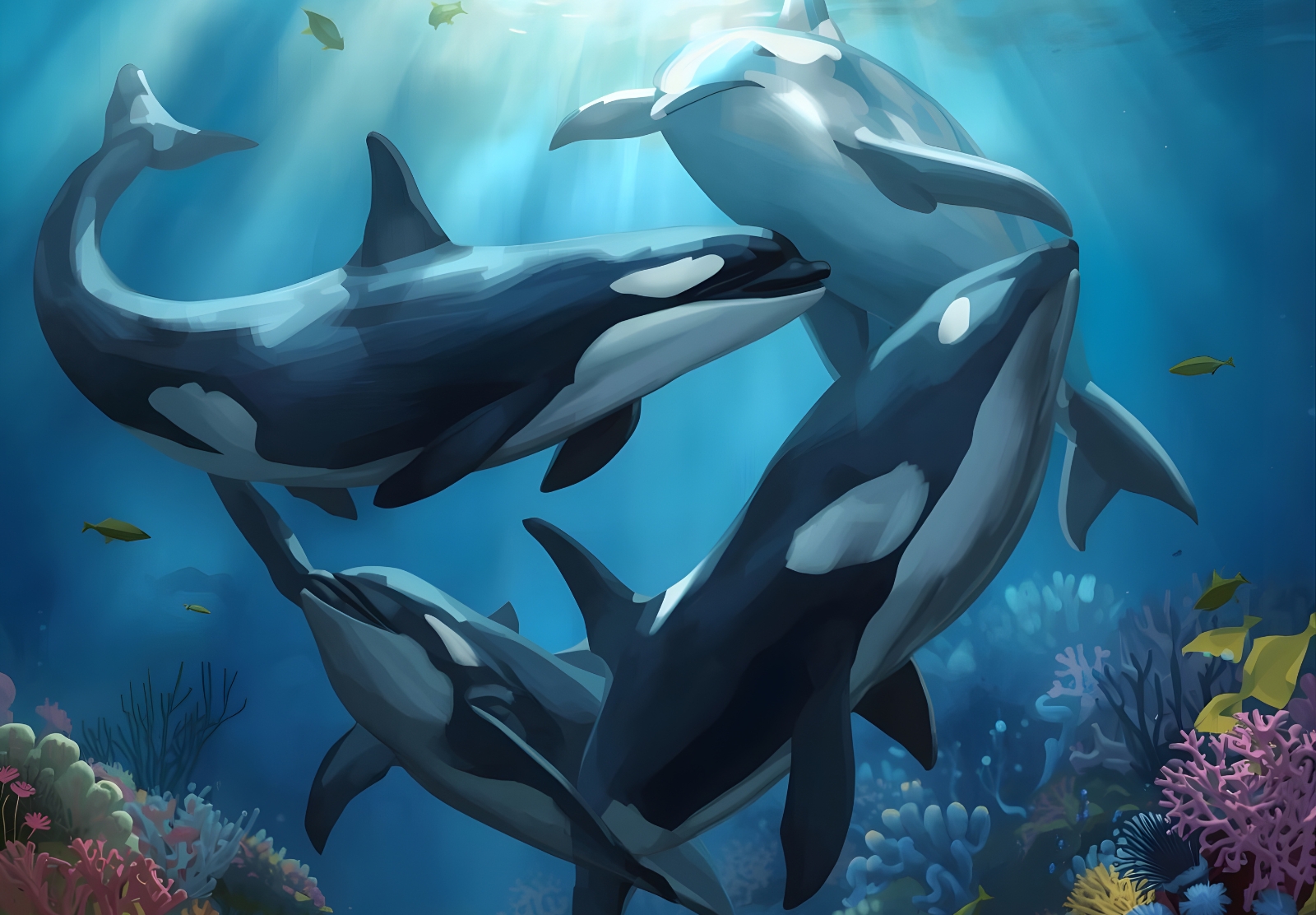
Scientists off British Columbia’s coast stumbled upon something extraordinary: northern resident orcas, the salmon-hunting pros, following Pacific white-sided dolphins like scouts on a mission.
Drone footage and underwater cameras caught dolphins zipping ahead, herding big Chinook salmon, while orcas trailed, ready to deliver the knockout blow.
Dolphins spot the fish but can’t handle the heavy lifting; orcas muscle in for the finish, splitting the catch in a rare cross-species hustle.
This isn’t random bumping—researchers logged 25 instances where orcas veered course to shadow dolphin pods, eavesdropping on their clicks to zero in on prey.
Lead scientist Sarah Fortune called it “counterintuitive and exciting,” flipping the script on who leads the hunt. As salmon dwindle from warming waters and overfishing, this buddy system might be evolution’s clever workaround, boosting survival for both.

Echoes in American Waters
Closer to home, U.S. swimmers channel that same teamwork vibe. The Orca Swim Team in the Pacific Northwest, a powerhouse USMS club with 150 members, thrives on inclusivity and fierce competition.
They’re the biggest LGBTQ+ sports squad out west, hitting local meets and international showdowns under the orca banner—speedy, strategic killers of the pool.
Meanwhile, Dolphins swim clubs dot the map, from Nashville’s adaptive program for special needs athletes to PAC Dolphins pushing juniors toward Junior Olympics glory.
These teams embody the orca-dolphin dynamic: dolphins’ agility scouting opportunities, orcas powering through for the win.
USA Swimming’s 2025-2026 National Team roster, packed with 121 stars like Katie Ledecky and Caeleb Dressel, gears up for Pan Pacs and LA28 with that collaborative edge.
Water polo squads, too, draw aquatic inspiration—Captain Tony Azevedo once rallied for real orcas’ freedom, blurring lines between sport and sea life.

Lessons from the Deep for Team USA
Imagine Team USA water polo players studying orca tactics: calculated strikes, pod synchronization. The men’s squad, bronze medalists in Paris 2024, features beasts like Ben Hallock and Luca Cupido, mirroring orcas’ brute force.
Women like Kaleigh Gilchrist fend off foes with dolphin-like finesse. This 2026, as they train for worlds and beyond, footage of ocean teamwork could sharpen their plays—dolphins flushing “prey” (the ball), orcas slamming home goals.
Conservation ties in tight. With Chinook salmon crashing, orca-dolphin duos signal urgency for U.S. efforts in Pacific waters.
Team USA athletes often champion oceans; think surfers-turned-Olympians pushing plastic bans. Swim clubs like Orcas integrate eco-talk, breeding a generation that swims fast and thinks green.
Training Like Ocean Predators
Coaches now blend science into drills. Orca Swim Team’s fun-yet-fierce ethos mirrors the hunt: scout (dolphin drills), strike (sprints).
National team camps simulate pod dynamics—relay passes echoing salmon chases. Drone tech from marine studies even informs stroke analysis, spotting inefficiencies like a dolphin’s fin flick.
Challenges persist. Orcas face food shortages; swimmers battle burnout. But unity wins: just as dolphins lead orcas to feasts, rookies push vets harder. In 2026, expect U.S. squads to dominate, inspired by seas where rivals become teammates.

Conservation Call to Action
This partnership spotlights peril. Orcas, Team USA’s symbolic mascots in swim circles, starve without salmon. Dolphins adapt but need clean seas.
Public awareness spikes post-study, with calls for stricter fishing rules. Athletes amplify: Ledecky’s platforms could rally for marine protected areas, tying pool prowess to planet health.
Swim teams host cleanups, Orca members diving into advocacy. It’s full circle—humans learning from animals, giving back to keep the cycle alive.
Orcas and Dolphins Team The Road Ahead for 2026
As February 2026 heats up, watch Team USA fuse ocean smarts with human grit. Worlds loom; LA28 beckons.
Orcas and dolphins remind us: true champions collaborate. From pools to Pacific, the hunt continues.
SCIENCE MARVELS – READ MORE : China’s Space Robot Dogs: How AI-Trained Machines Could Revolutionize Future Lunar and Mars Missions While Advancing Autonomous Space Exploration Technologies Worldwide
Frequently Asked Questions
What sparked the orca-dolphin hunting partnership discovery? Drone footage, acoustics, and submersibles off British Columbia captured 25 coordinated hunts, proving intentional teamwork.
How does this relate to Team USA sports? Swim and water polo athletes draw parallels—dolphin scouting, orca power—in training for national dominance.

Are there real ‘Orcas and Dolphins’ teams in the USA? Yes, Orca Swim Team (USMS) and various Dolphins clubs promote competitive swimming nationwide.
Why is salmon decline a big deal for these animals? Chinook shortages threaten orcas; the duo hunt boosts efficiency amid climate pressures.
Can Team USA use this for 2026 competitions? Absolutely—pod tactics enhance relays and defense in swimming and water polo prep.