
Mysterious 17th‑Century Shipwreck : A team of daring archaeologists has pulled off a high-stakes recovery of ancient ship timbers from treacherous sea caves along Oregon’s rugged coast, shedding new light on a 330-year-old maritime mystery.
This so-called Beeswax Wreck, long whispered about in local legends, now stands confirmed as the lost Spanish galleon Santo Cristo de Burgos.
Table of Contents
Legends Born from the Waves
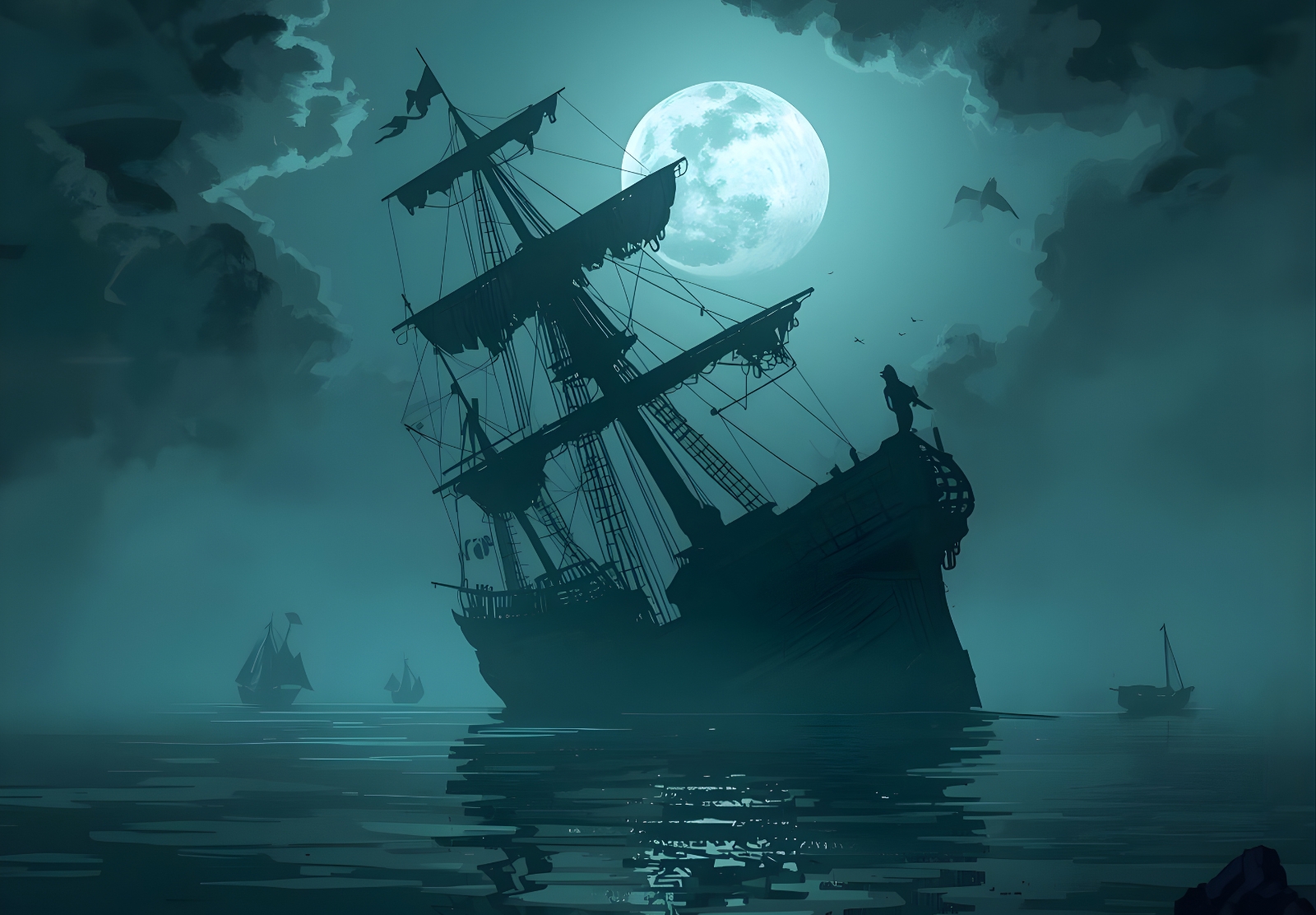
For generations, beachcombers along Nehalem Spit near Manzanita have stumbled upon strange lumps of beeswax and shards of delicate Chinese porcelain, fueling tales of a cursed treasure ship.
Indigenous oral histories from the Siletz and Clatsop tribes speak of foreign sailors washing ashore, some welcomed, others met with hardship in this wild corner of the Pacific Northwest.
These stories, passed down through centuries, blended with settler yarns of hidden gold, even inspiring Hollywood—rumor has it Steven Spielberg drew from them for The Goonies, though that’s more coastal folklore than fact.
The beeswax, unmarked by local honeybees (which Europeans introduced later), pointed to exotic origins, traded by tribes long before white settlers arrived.
Porcelain fragments, dated to China’s Kangxi period (1661-1722), hinted at a Manila galleon, those behemoth cargo haulers linking Asia to Spain’s New World empire.
By the mid-2000s, sleuths zeroed in on two missing ships: the Santo Cristo de Burgos from 1693 or the San Francisco Xavier from 1705.

The Ship That Vanished
Launched from Manila in July 1693, the Santo Cristo de Burgos was a typical Manila galleon—about 150 feet long, broad-beamed for stability on the brutal Pacific crossing.
Loaded with silks, porcelain, beeswax for church candles, and spices, it aimed for Acapulco, Mexico, part of the grand Manila-Acapulco trade that kickstarted global commerce from 1565 to 1815.
Somewhere mid-ocean, disaster struck; Spanish archives note frantic searches but no trace, just a ghostly disappearance. Experts now believe fierce currents or a navigation blunder flung it northward, slamming into Nehalem Spit.
A massive 9.0-magnitude Cascadia earthquake tsunami in 1700 scattered the wreckage further, burying hull chunks inland under cobble layers while beeswax blocks bobbed up for centuries.
No crew logs survive, but tribal accounts suggest survivors bartered goods before vanishing into the frontier—perhaps assimilated, enslaved, or lost to the wild.
A Modern-Day Heist Against the Tide
Fast-forward to 2013: fisherman Craig Andes spots weathered timbers in a sea cave north of Manzanita, accessible only by kayak or death-defying rock scramble at ultra-low tide.
Skeptical at first, the Maritime Archaeological Society (MAS)—a ragtag volunteer crew led by Scott Williams—tested samples in 2020.

Dendrochronology and wood analysis screamed “Manila galleon”: tropical Asian hardwood (Anacardiaceae family) felled around 1650, matching the ship’s build.
By 2022, with National Geographic funding and COVID delays behind them, a crack team assembled: MAS divers, SEARCH Inc. archaeologists like Jim Delgado, Oregon Parks rangers, sheriff deputies, and Nehalem Valley Fire jet-ski rescuers.
At dawn on a June morning, they had 90 minutes—ropes dangling from cliffs, waves crashing—to haul out 16 timbers before the tide trapped them. “It was like a scene from an action movie,” one rescuer later quipped, swimming the last load to safety.
Clues Unearthed from Barnacle-Crusted Wood
Now conserved at Astoria’s Columbia River Maritime Museum, the timbers reveal shipwright scars from Philippine docks, spike holes for massive rigging, and no rot—miraculously preserved in the cave’s chill.
Scans shared worldwide will decode construction secrets of these rare survivors; only two other Manila galleon hulls exist on North America’s West Coast.
Beeswax blocks etched with Spanish marks, porcelain fits, and pre-1700 burial sites seal the ID—no other wreck matches.
This isn’t just wood; it’s vindication for tribal elders whose stories held true against colonial dismissal. “Our ancestors were spot-on,” says Clatsop Neahkahnie descendant Dave Kennedy.
Racing Against Erosion and Looters
Oregon’s coast devours secrets: shifting sands, storms, and tsunamis threaten the main wreck site offshore near Manzanita.

MAS keeps diving with side-scan sonar, hunting the hull amid boulders—recent hits look promising but unconfirmed. Looters and storm-chasers pose risks; officials urge “look but don’t touch” after past thefts of porcelain.
Climate change amps the urgency—rising seas and fiercer waves expose then rebury relics. Partnerships with tribes and feds aim to protect it as a national treasure, perhaps a future underwater park.
Cultural Ripples Across Centuries
This find rewrites Oregon’s origin story, bridging Spanish empire ambitions with Native resilience. Galleons like Santo Cristo fused East-West trade, seeding global economies but at huge human cost—crews endured scurvy, typhoons, isolation. Locally, beeswax fueled tribal candle-making; porcelain became heirlooms.
It sparks tourism buzz: Neahkahnie Mountain (“Mountain of 1,000 Feet”) lures hikers dreaming of Goonies gold, now layered with real history. Museums plan exhibits; schoolkids learn of the sailors who never made it home.
Key Discovery MilestonesDateDetailsShip vanishes from records1693Santo Cristo de Burgos leaves Manila, never reaches Mexico.
Beeswax/porcelain first notedEarly 1800sFur traders document tribal trades; ongoing beach finds. MAS forms for huntMid-2000sLinks artifacts to Kangxi porcelain, narrows to two galleons. Timbers spotted in cave2013Fisherman Craig Andes alerts experts.
Wood confirmed as galleon2020Asian hardwood dated to 1650s. High-risk recovery opJune 202216 timbers extracted in 90 minutes. Official ID as Beeswax Wreck2022 onwardPre-tsunami evidence clinches Santo Cristo.
Mysterious 17th‑Century Shipwreck
The Santo Cristo de Burgos emerges from myth into history, a testament to human endurance and the ocean’s unforgiving memory.
As MAS dives deeper, more secrets may surface, reminding us that the past washes up unbidden on modern shores.
This wreck doesn’t just belong to archaeologists—it’s Oregon’s shared legacy, urging protection before waves claim it forever.
FAQ
What caused the Santo Cristo de Burgos to wreck? Navigational errors or Pacific storms likely drove it off course to Nehalem Spit; exact details remain lost.
Is there buried treasure from the ship? Cargo was mostly beeswax, silk, and porcelain—not gold. Legends exaggerate; focus is historical value.
Can visitors see the timbers? They’re at Columbia River Maritime Museum in Astoria for conservation; exhibits planned soon.
Why is this wreck so rare? Only three Manila galleon hull remnants on U.S. West Coast; wood rarely survives Pacific battering.
How can I report a find? Contact Oregon State Parks or MAS—don’t disturb; it’s illegal to remove artifacts.





Latest Comments