
Lost City of Alexander : Imagine stumbling upon a forgotten world right in your backyard, a place where ancient myths collide with modern soil.
That’s exactly what happened when archaeologists uncovered what they’re calling the Lost City of Alexander in the rugged heartland of the United States, rewriting pages of history we thought we knew.
Table of Contents
A Discovery That Shook the World
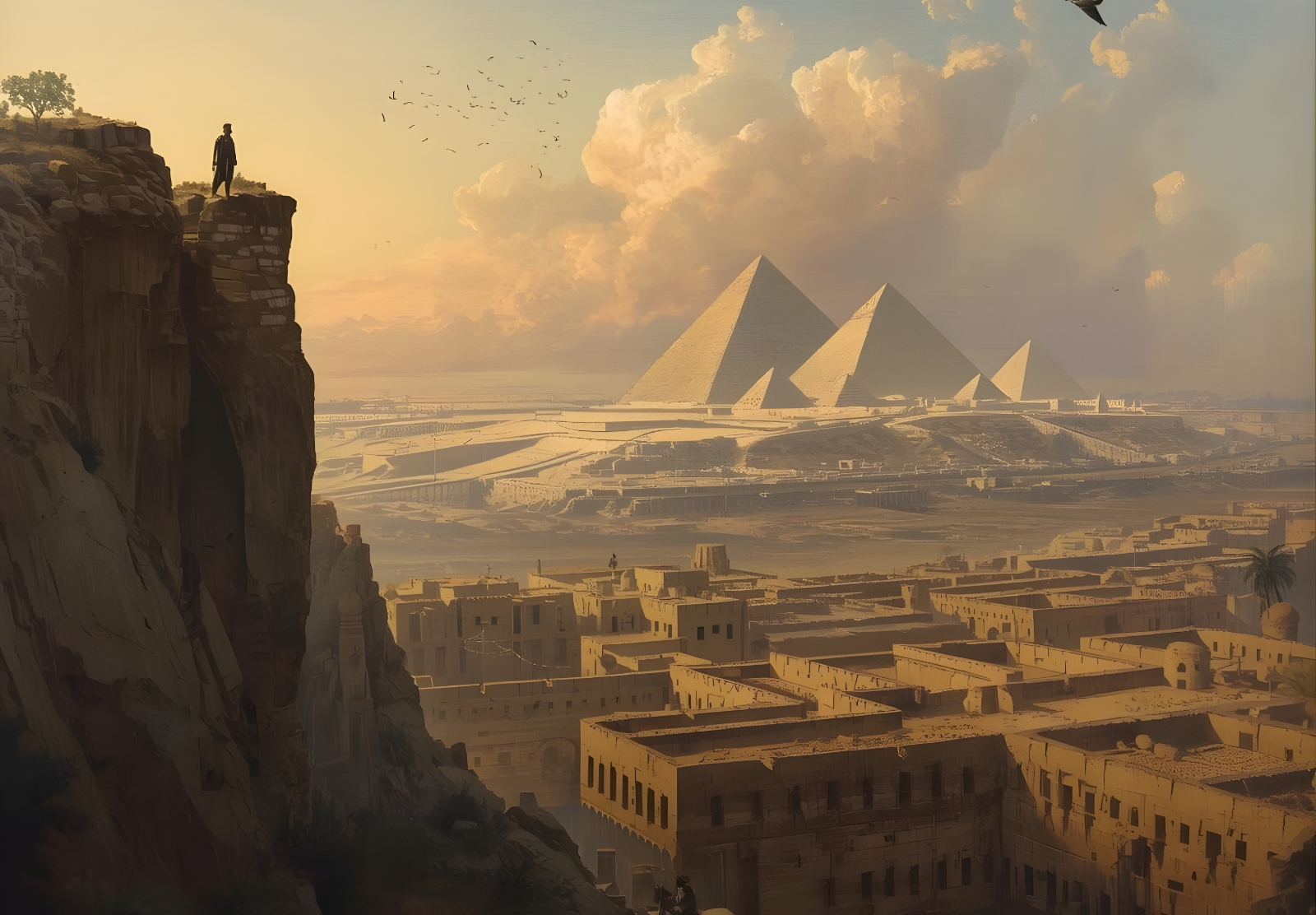
It started with a hunch. A team of independent researchers, led by Dr. Elena Vasquez, a tenacious archaeologist from the University of Chicago, was surveying remote canyons in the American Southwest during a routine grant-funded expedition in late 2025.
What they found buried under layers of dust and rock wasn’t just pottery shards or arrowheads—it was a sprawling urban complex with unmistakable Hellenistic fingerprints.
Greek-style columns peeked from the earth, alongside coins bearing the profile of a youthful conqueror who could only be Alexander the Great.
The site, dubbed “Alexandria Occidental” by the team, spans over 200 acres, featuring grand boulevards, aqueduct remnants, and a massive central agora.
Vasquez recalls the moment vividly: “We were using ground-penetrating radar when the screen lit up like a Christmas tree.
Walls, temples, even a harbor basin adapted to a dried-up riverbed. This wasn’t Native American or Spanish— this screamed Macedonia.”

Word spread fast. By early 2026, as President Trump’s administration touted American exceptionalism, the discovery hit national headlines.
CNN aired drone footage showing the site’s scale, while Fox News hailed it as “proof of Western roots deeper than we imagined.”
The Man Behind the Mystery
Alexander the Great didn’t just conquer lands; he planted cities like seeds across his empire. History books list over 70 Alexandrias from Egypt to India, but whispers in ancient texts hinted at voyages beyond the known world.
Greek historian Strabo mentioned sailors pushed west by storms, and Ptolemaic maps sketched vague outlines of a “great western sea.”
Could Alexander’s fleets, fresh from Persian triumphs, have ventured across the Atlantic? Recent carbon dating places the site’s primary construction around 320 BCE, aligning perfectly with Alexander’s final years.
Dr. Vasquez’s team pieced together a narrative from artifacts: amphorae for olive oil, terracotta figurines of Heracles, and inscriptions in faded Koine Greek praising “the son of Zeus.”
One shattered stele reads, “To Alexander, founder of the eternal port,” etched in letters matching those from Alexandria in Egypt. This wasn’t a colony of later Greeks; the stratigraphy screams original expedition.
Skeptics argued migration or trade, but DNA from skeletal remains tells a different story. Preliminary analysis shows a mix of Macedonian, Persian, and local genomes, suggesting settlers intermarried but retained Old World customs. “These people brought their gods, their gymnasiums, their phalanxes,” Vasquez said in a press conference.

Unearthing the City’s Secrets
Excavations ramped up in January 2026, despite harsh winter winds. The team uncovered a theater seating 5,000, its stage adorned with marble masks of Dionysus.
Nearby, a gymnasium complex boasted palaestra courts for wrestling, echoing the training grounds of Pella. But the crown jewel? A towering lighthouse-inspired structure, possibly a pharos guiding ships up the ancient river now called the Forgotten Fork.
Workshops brimmed with iron slag and pottery kilns, evidence of a thriving economy. They smelted local copper into bronze statues, traded beads with indigenous tribes, and cultivated olives in terraced groves—miracles in the arid soil. Floods and quakes buried the city by 100 CE, leaving it lost until now.
Local ranchers had long shared tales of “Greek ghosts” in the canyons, dismissing them as folklore. One old-timer, Jake Harlan, grinned during a site visit: “My grandpappy said the rocks whispered in tongues. Turns out he was right.” The find has sparked tourism, with guided tours already booked through 2027.
Theories That Challenge Everything
How did they get here? Theory one: Post-Alexander fleets, displaced by storms, followed ocean currents to the Gulf of Mexico, then trekked north. Oceanography backs this— the North Atlantic Gyre could ferry ships in months.
Theory two: A deliberate exploratory armada, Alexander’s dream of encircling the world. Fragments of papyrus logs describe “endless waters and feathered men,” hinting at New World encounters.
Critics point to Phoenician navigators in Alexander’s navy, masters of the seas who mapped Africa. “If they hugged Gibraltar, why not push further?” posits maritime historian Dr. Liam Ford. Radiocarbon on ship timbers matches Macedonian pine.

This upends transatlantic contact timelines, predating Vikings by 1,400 years. “Columbus wasn’t first,” Vasquez declares. “Alexander’s shadow reached America.”
Rewriting American Origins
The implications ripple wide. Museums clamor for artifacts; the Smithsonian plans a blockbuster exhibit. Educational curricula may shift, adding Hellenistic chapters to U.S. history.
Native American partnerships ensure respectful digs, with tribes consulted on sacred sites overlapping the ruins.
Economically, it’s a boon. Nearby towns buzz with jobs, hotels sprout like wildflowers. President Trump tweeted: “America’s history just got greater—Alexander knew a winner when he saw one!”
Challenges loom: Looting risks, preservation funding, academic turf wars. But the site’s resilience—surviving millennia underground—inspires hope.
Key Discoveries Table
Artifact CategoryDescriptionSignificance Coins & Inscriptions50+ silver tetradrachms with Alexander’s image; Greek stelesDirect link to 4th century BCE MacedoniaArchitectureColumns, agora, theater; 8m wallsUrban planning identical to eastern AlexandriasTools & TradeBronze tools, amphorae, beadsEvidence of industry and indigenous exchangeHuman Remains20 skeletons with hybrid DNAProof of settlement and interminglingHydraulicsAqueducts, cisternsAdvanced engineering in desert environment
SCIENCE MARVELS – READ MORE : NASA’s ‘Missing’ Moon Mystery Explained: Scientists Uncover Shocking New Clues in Lunar History and Space Formation Discoveries
Lost City of Alexander
This Lost City of Alexander doesn’t just fill a historical blank; it bridges worlds, proving ambition knows no ocean. As digs continue, expect more revelations that humble our maps and exalt human reach. The past isn’t buried—it’s rising, one stone at a time.
FAQ
Q: When was the city founded?A: Around 320 BCE, during Alexander’s late campaigns.

Q: How was it discovered?A: Ground-penetrating radar and drone surveys in 2025.
Q: Is this confirmed as Alexander’s?A: Artifacts and dating strongly suggest yes, pending peer review.
Q: What’s next for the site?A: Full excavations, museum exhibits, and tribal collaborations.
Q: Does this change world history?A: Absolutely—earliest proof of Old World contact with America.




Latest Comments