
Hidden Secrets of 350-Year-Old Shipwreck : Imagine stumbling upon a time capsule from the 17th century, brimming with glittering gold chains and emerald pendants that whisper tales of tragedy and untold riches.
That’s exactly what happened when explorers cracked open the mysteries of the Nuestra Señora de las Maravillas, a Spanish galleon that sank nearly 370 years ago near the Bahamas—just a stone’s throw from U.S. waters in what’s often called America’s maritime backyard.
Table of Contents
The Fateful Night That Doomed the Maravillas
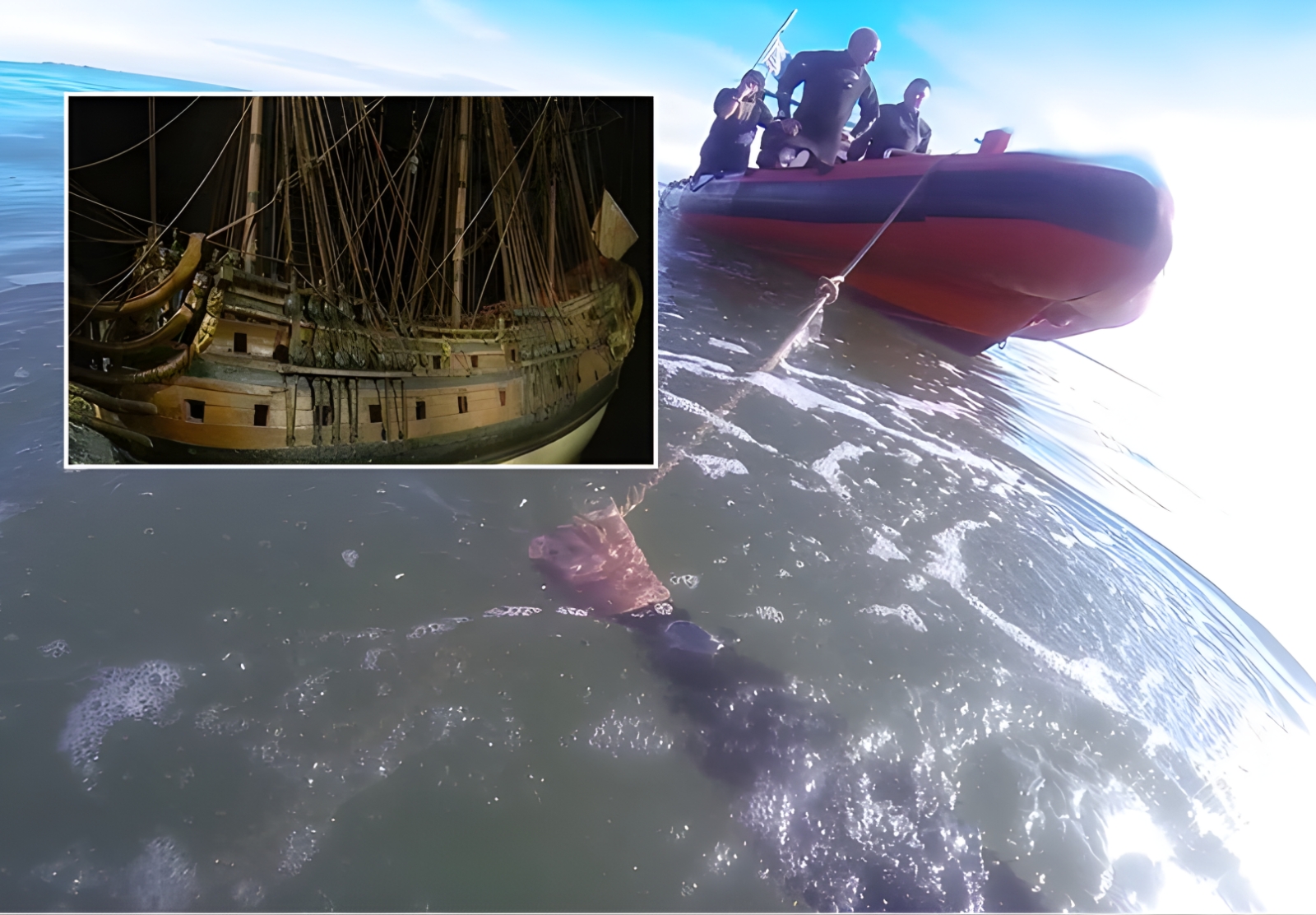
Picture this: it’s midnight on January 4, 1656, and the Maravillas—nicknamed “Our Lady of Wonders”—is slicing through the dark Atlantic as vice-flagship of a treasure-laden fleet bound for Spain.
A simple navigational blunder by the fleet’s flagship, the Nuestra Señora de la Concepción, changes everything.
The flagship rams straight into the Maravillas, splintering its hull and sending it careening into a jagged coral reef off Little Bahama Bank, about 70 kilometers from land.
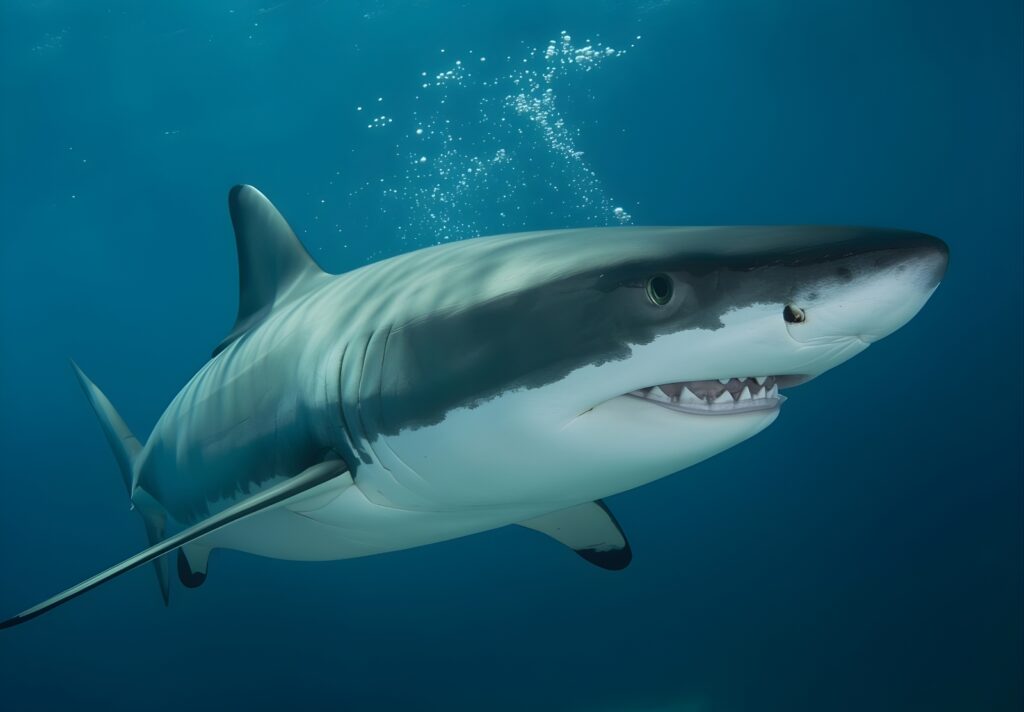
Laden with double cargo—its own silver shipment plus salvaged treasure from another wrecked galleon—the ship plunges like a stone. Out of 650 souls aboard, only 45 survive the night, battling frigid waters and shark-infested seas until dawn.

A Cargo Straight Out of Legend
This wasn’t just any vessel; the Maravillas was a 891-ton behemoth built in 1647, armed with 36 cannons and stuffed with Spain’s colonial plunder.
Silver bars, coins, and ingots formed the bulk, but the real stunners were the undeclared luxuries: Colombian emeralds, amethysts, and gems hinting at smuggling operations not listed on the manifest.
Everyday relics paint a vivid crew life too—olive jars, Chinese porcelain plates, iron rigging pins, and even a pearl ring likely belonging to a sailor.
But the crown jewels? A soldier’s silver sword hilt engraved for Don Martin de Aranda y Gusman, and contraband that could rewrite trade histories.
Centuries of Elusive Salvage Efforts
Spain didn’t let go easily. King Philip IV, desperate for tax revenue amid financial woes, launched 10 salvage ops over two decades, hauling up all 36 cannons and nearly 3 million silver pieces. By 1658, the wreck was sand-buried, fooling Spanish, English, French, Dutch, and later American hunters.

Fast-forward to 1972: treasure hunter Robert Marx rediscovers it, scooping thousands of coins in smash-and-grab raids. By the 1990s, over 3.9 million artifacts surface, mostly sold off piecemeal. No science, just greed—until modern teams stepped in.
Modern Tech Cracks the Secrets
Enter Carl Allen of Allen Explorations, who in 2020 kicked off a two-year quest with Bahamian and U.S. archaeologists.
No dynamite dives here; they deployed sonar, magnetometers (8,800 readings!), seabed geology scans, and current modeling to trace a hidden 13-km debris trail to the lost sterncastle.
The haul? A 1.76-meter gold filigree chain with rosettes, scallop pendants from the elite Order of Santiago (12th-century knights), an oval emerald cross on a bezoar stone (believed to heal poisons), and a necklace with a massive Colombian emerald ringed by 12 smaller ones for the Apostles. “My breath caught,” Allen recalled of the emerald pendant’s recovery.
These finds scream “hidden secrets”: off-manifest gems point to black-market smuggling by crew or passengers.
Knightly relics suggest high-ranking military aboard, maybe evading manifest logs. And that debris scatter? It maps the ship’s explosive breakup, solving the “how it fell apart” riddle.

Ties to America’s Treasure Coast
While the Maravillas lies in Bahamian waters, its story echoes U.S. shipwreck lore. Florida’s Treasure Coast, just south, yields endless 1715 Fleet hauls—like $1M in gold/silver coins pulled in 2025 from hurricane-sunk galleons.
Ponte Vedra Beach once washed up 1700s ribs with Roman numerals and copper sheeting. U.S. divers and tech aided the Maravillas digs, blurring borders in this shared Atlantic graveyard.
Invasive mussels now threaten wrecks across Great Lakes and Gulf, spurring urgent U.S. hunts—like the intact 1880s F.J. King schooner off Wisconsin in 2025.
Hidden Secrets of 350-Year-Old Shipwreck What These Secrets Reveal Today
These artifacts aren’t just shiny; they’re time machines. The Order of Santiago pendants link to medieval crusades, emeralds trace illicit New World trade, and the sword hilt humanizes a lost elite.
Exhibited at the Bahamas Maritime Museum (opened thanks to Allen), they spotlight Lucayan divers, slave trade horrors, and reef data for conservation.
Shark-eaten survivors remind us of sea perils, while tech triumphs show how we reclaim history without destroying it. Smuggling hints challenge Spain’s “official” logs, potentially inflating the wreck’s value beyond the millions already tallied.
SCIENCE MARVELS – READ MORE : Lost Ancient Roman City Found Beneath the Waves Offers Rare Glimpse Into Empire’s Coastal Life and Architecture
FAQ
Q: How did the Maravillas really sink? A: Midnight collision with flagship plus reef impact; double treasure cargo sped the plunge.
Q: What makes these secrets “hidden”? A: Off-manifest gems prove smuggling; debris maps unsolved breakup; knight relics unexpected aboard.
Q: Can anyone dive for treasure there now? A: No—licensed ops only; artifacts stay public via museum partnerships.
Q: Any U.S. connection beyond helpers? A: Proximity to Florida Treasure Coast; shared tech/divers; inspires American wreck hunts.
Q: What’s next for the wreck? A: More scans for reefs/pollution; full breakup reconstruction ongoing.





Latest Comments