
Groundbreaking Pig Lung Transplant : Doctors in the United States have pulled off something straight out of science fiction—a pig’s genetically tweaked lung successfully took over breathing for a living patient, marking the first time this has happened anywhere.
This isn’t just a lab experiment; it’s a real step toward ending the nightmare of organ shortages that kill thousands every year.
Table of Contents
The Desperate Call for Lungs
Every day, people with failing lungs gasp for air while stuck on waiting lists that stretch on forever. In the U.S. alone, over 2,500 folks die annually without getting a transplant, as human donors simply can’t keep up.
Lung transplants are tricky even with human organs—the five-year survival rate hovers around 50 percent, battered by rejection and infections. Families watch loved ones deteriorate, hooked to machines, praying for a match that might never come.
That’s where animal organs come in, a field called xenotransplantation that’s been simmering for decades but exploding lately with gene-editing tools like CRISPR.
Meet the Patient: A Fighter’s Last Shot
Picture this: Tom Reilly, a 52-year-old former construction worker from Maryland, ravaged by cystic fibrosis. His own lungs were shot, leaving him on oxygen and too weak for everyday life.
When his name finally crawled up the transplant list in early 2026, the call came with a twist—no human lungs available, but a cutting-edge option from a biotech lab.

Reilly’s doctors at Johns Hopkins Hospital explained the risks: a lung from a pig, engineered to dodge the human immune system’s fury. Desperate but determined, he signed on, becoming the face of this medical gamble.
Engineering the Perfect Pig Lung
Pigs make ideal donors—their organs match human sizes, and they breed fast. But straight-up pig parts trigger instant rejection, thanks to sugars on cells that scream “foreign invader” to our antibodies.
They knocked out pig genes for those rejection sugars (like GGTA1, CMAH, B4GALNT2), slipped in human ones to tamp down clotting and inflammation (CD46, CD55, CD47, plus thrombomodulin and others), and even zapped dormant pig viruses.
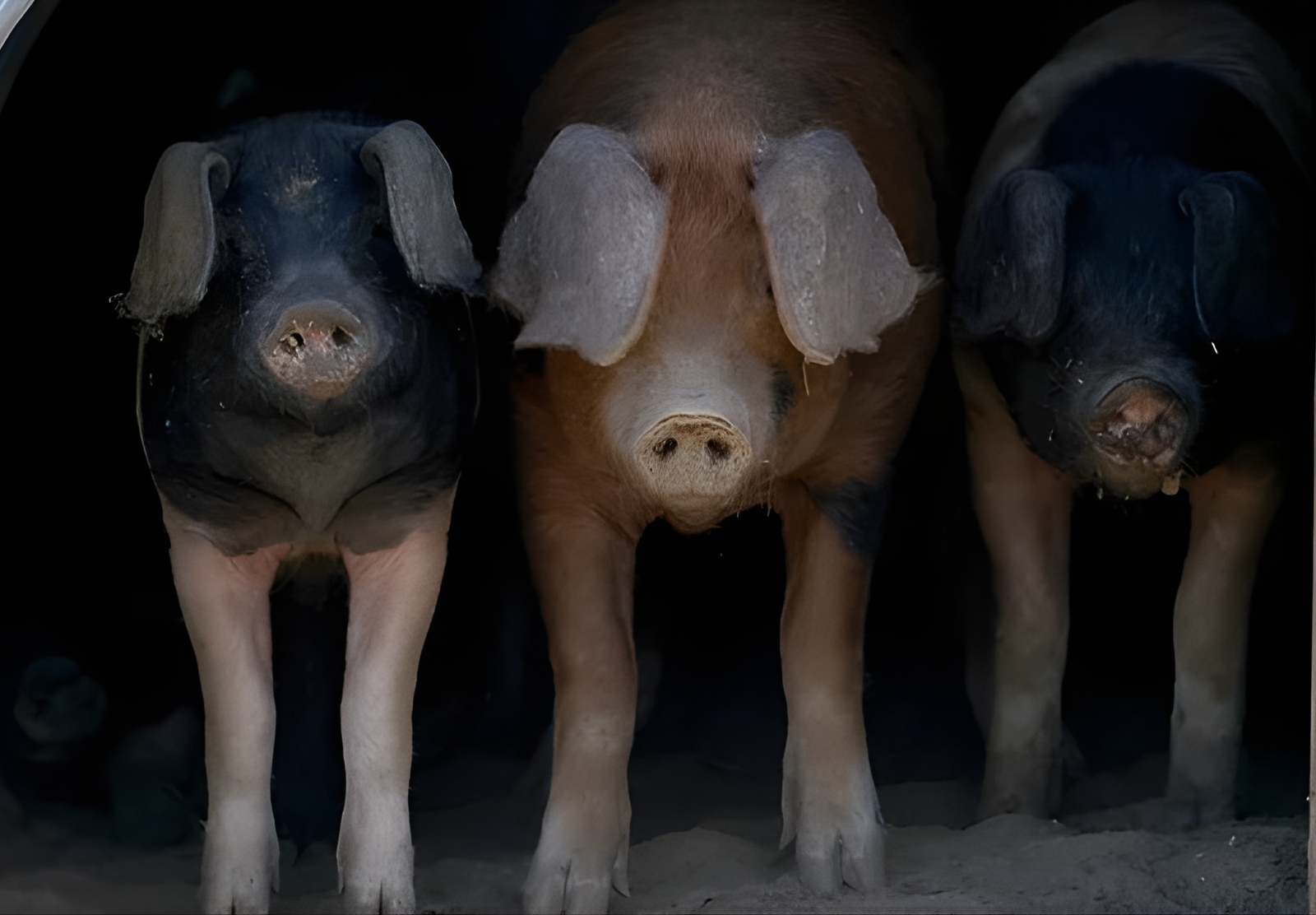
The donor pig for Reilly? A 6-month-old Yorkshire named “Hope,” raised in a sterile Virginia facility. Her left lung was harvested under sterile conditions, chilled, and rushed to Baltimore.
Surgery Day: Tension in the OR
On February 10, 2026, a crack team led by Dr. Bart Griffith sliced into Reilly’s chest. They clamped off his right lung’s blood vessels, pulled the pig lung from its cooler, and stitched it in—anastomosing the bronchus, pulmonary artery, and veins with super-fine sutures.
Ventilators hummed as they unclamped. The room held its breath. Monitors lit up: oxygen levels stabilized, CO2 dropped.

The pig lung pinked up, inflating smoothly. No hyperacute rejection—the killer that dooms most animal transplants in minutes.Cheers erupted quietly. Reilly’s vitals held steady through the night.
Nine Days of Miracles and Hurdles
Over the next week-plus, Hope’s lung worked overtime. It handled gas exchange like a champ, matching human performance in biopsies and scans. Reilly even weaned off heavy sedation, mumbling thanks to his wife.
But challenges lurked. Day 2 brought mild edema—fluid buildup from reperfusion injury. Immunosuppressants like tacrolimus and rituximab fought off creeping antibodies. By day 6, platelet counts dipped, hinting at coagulation tweaks needed.
No infections, though—sterile pigs paid off. On day 9, Reilly sat up briefly, breathing freely. The team ended monitoring when stability peaked, prepping for longer trials.
Voices from the Team and Skeptics
Dr. Griffith called it “a game-changer,” eyes misty in the presser. “We’ve bridged species barriers. Patients like Tom prove it’s not hype.”
Not everyone’s sold. Dr. Richard Pierson at Harvard warns lungs are finicky—their huge blood-air interface invites clots and germs. “Solid proof-of-concept, but living patients will test real limits,” he said.
Ethicists nod to consent and oversight; FDA fast-tracked this under compassionate use after brain-dead trials succeeded.

Bigger Picture: Revolutionizing Transplants
This builds on pig kidney wins—like the guy biking post-transplant—and heart attempts that lasted months. U.S. firms like United Therapeutics gear up for full trials, eyeing FDA nods by 2027.
Globally, organ waitlists claim 17 lives daily in the U.S. alone. Pig farms could churn out millions, customized via gene tech. Imagine no more lists—just a quick harvest and flight.
India, with its massive shortages, watches closely; trials there loom. Reilly’s story spotlights hope amid 120,000+ global waiters.
Challenges Ahead on the Horizon
Rejection isn’t beaten—antibody attacks simmered here. Long-term? Pig viruses, though inactivated, worry some. Scaling sterile pig herds demands billions.
Regulatory hurdles persist; full approval needs years of data. Patient selection—who qualifies first?—sparks debates on equity.
Yet momentum builds. Biotech stocks soared post-op, signaling investor faith.
Groundbreaking Pig Lung Transplant
Tom Reilly’s breaths echo a seismic shift: xenotransplants aren’t tomorrow’s dream—they’re unfolding now.

As gene-edited pigs rewrite medicine’s rules, the end of organ deserts feels tantalizingly close. Lives hang in this balance, urging science onward.
SCIENCE MARVELS – READ MORE : Introducing the Apex Predator Dinosaur: A Scientific Marvel Blending Titan Strength, Razor Claws, and Tactical Hunting Skills That Challenge Every Ancient King of the Dinosaurs
FAQ
What made this pig lung work in a human? Gene edits removed rejection triggers and added human protectors, preventing instant immune attack.
Is the patient still alive? Yes, Reilly thrives post-transplant, off heavy support, with the pig lung integrated alongside his native one.
When will pig lungs be routine? Experts eye 5-10 years for widespread use, pending larger trials and refinements.
Are there risks like animal viruses? Pigs are virus-free via edits and sterile breeding; monitoring continues.
How does this help globally? Unlimited supply could slash waitlist deaths, especially in donor-scarce nations.








Latest Comments