Deep Ocean Discovery : Deep ocean discovery has always captivated the human imagination, like peering into a cosmic void right here on Earth.
Recent breakthroughs by U.S. teams are rewriting what we know about the seafloor, revealing bizarre life forms and tech innovations that could redefine exploration.
Table of Contents
A New Era of Accessible Exploration
Picture this: a team of oceanographers in Rhode Island, not some high-tech lab in Silicon Valley, just scored major backing to build gear that lets everyday researchers dive deeper than ever.
The Ocean Discovery League (ODL), led by Dr. Katy Croff Bell, snagged federal support to create the Deep Ocean Research & Imaging System (DORIS), a modular gadget that plunges to 6,000 meters without needing a PhD to operate it.
This isn’t your grandpa’s submarine; DORIS swaps out sensors like Lego bricks—oxygen monitors one day, cameras the next—making the deep sea less exclusive.
Bell puts it bluntly: only a sliver of the seafloor has seen light, and tools like this invite more hands on deck, from Pacific Island communities to undergrads.
Nautilus Sails into Uncharted Waters
Out in the Pacific, the Exploration Vessel Nautilus has been the workhorse, zipping around Guam, the Marianas, and beyond since spring 2025.

Crews deployed remotely operated vehicles (ROVs) and autonomous underwater vehicles (AUVs) like Orpheus to scan volcanic hotspots and abyssal plains, live-streaming the action for anyone with Wi-Fi.
They weren’t just mapping; they were hunting clues for resource management in places like the Mariana Trench Marine National Monument, teaming up with locals who know these waters best. It’s telepresence at its finest—scientists ashore calling shots in real time, turning a ship into a global classroom.
Creatures from the Twilight Zone
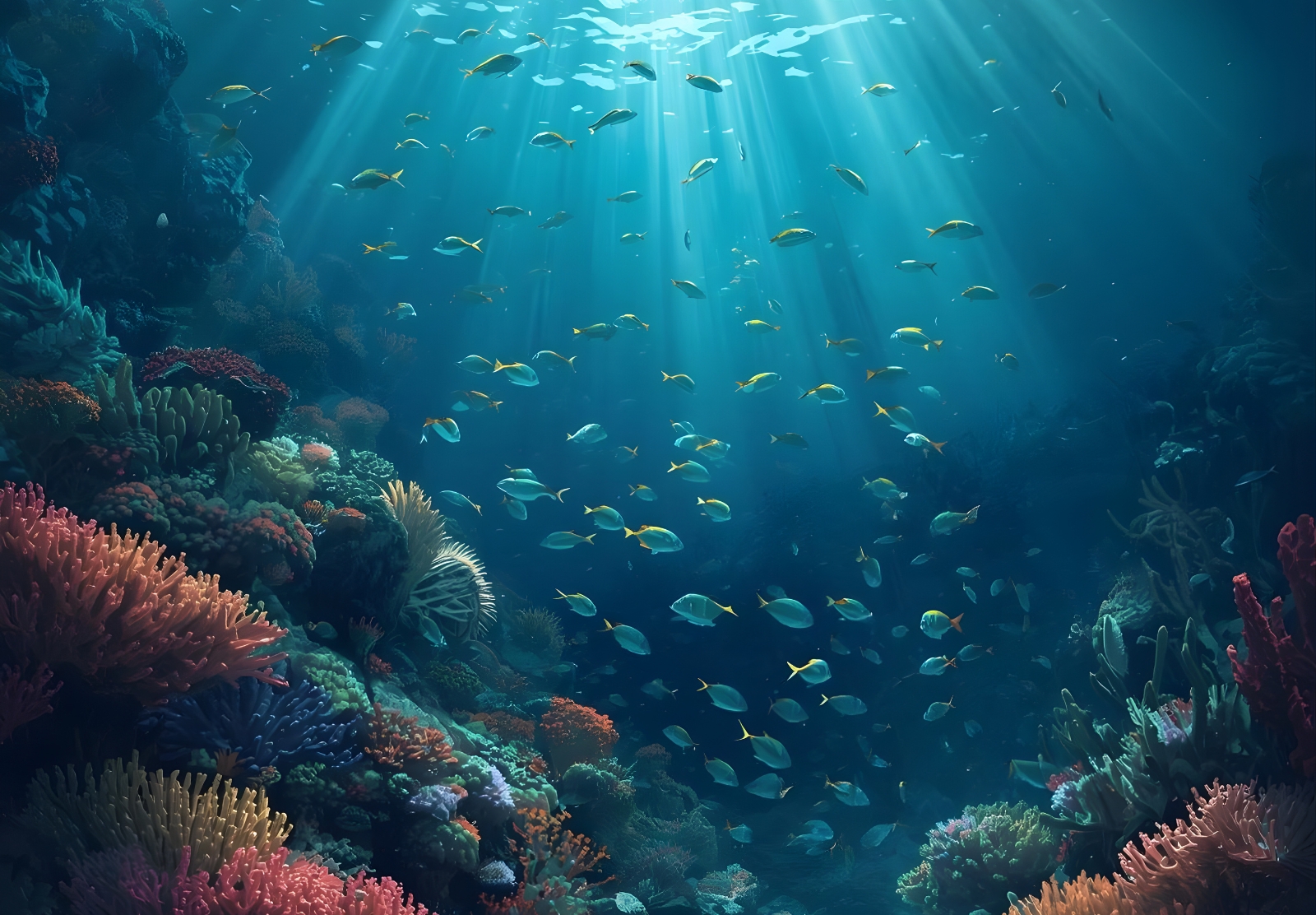
Nothing beats the thrill of spotting something no one’s ever seen. Off Guam’s coast, researchers yanked up Autonomous Reef Monitoring Structures (ARMS)—basically deep-sea bug traps—from 330 feet down, unearthing over 2,000 critters, including at least 20 potential new species.
Think polka-dotted baby octopuses, yellow-spotted sea slugs with branch-like backs, and googly-eyed dottyback fish that look like they swam out of a cartoon.
These twilight zone finds, in the mesopelagic layer where light fades to nothing, hint at biodiversity explosions we barely understand, with DNA tests promising even more revelations. It’s like the ocean’s holding a secret party, and U.S. teams just crashed it.
Tech That Turns Sci-Fi into Reality
Forget clunky subs; today’s toolkit is sleek and smart. DORIS builds on prototypes like Wayfinder, partnering with heavyweights such as Woods Hole Oceanographic Institution for chemical sensors and PacIOOS for community rollout.

Nautilus integrates sonars, ROVs, and AUVs from NOAA’s Ocean Exploration Cooperative Institute, pushing efficiency so they cover more ground faster.
These aren’t one-offs; they’re scalable, aiming to map the U.S. Exclusive Economic Zone by 2030, fueling everything from climate resilience to fisheries protection. Imagine fleets of these bots swarming the abyss, feeding data back home.
What Lurks in the Hadal Depths?
Deeper still, missions probe the hadal zone—trenches crushing harder than 100 elephants on a toe. While Nautilus focused on Pacific rims, ODL’s vision extends there, with DORIS eyeing full-depth ops.
Recent hauls echo global efforts but spotlight U.S. leads: iridescent scale worms, rare gastropods near hydrothermal vents, even carnivorous “death-ball” sponges that snag prey like living flypaper.
These oddballs thrive in darkness, hinting at evolutionary tricks that could inspire biotech or meds. One Nautilus dive captured a colossal squid on video for the first time, its tentacles flickering in the gloom—a ghost no more.
Racing Against Time and Pressure
Challenges? Plenty. Pressure mangles gear, darkness hides threats, and the ocean’s vastness laughs at our ships. Yet U.S. innovators flip the script: low-cost modules cut barriers, telepresence dodges risks, and partnerships with locals weave in cultural smarts.
NOAA’s push via the Inflation Reduction Act and national strategies amps this up, targeting underserved voices in ocean science. It’s not just discovery; it’s equity, turning “experts only” into “everyone’s ocean.”

Echoes of History, Glimpses of Tomorrow
Flash back to the Navy’s CURV ROV recovering a nuke off Spain or Alvin’s Titanic dive—these paved the way. Now, with Nautilus and DORIS, we’re at a tipping point.
Expeditions like 2025’s Pacific sweep didn’t just map; they baseline for climate shifts, spotting algae bloom precursors and ecosystem wobbles. Future dives could unlock “dark oxygen” from seafloor nodules, rewriting life’s origins.
Deep Ocean Discovery
America’s deep ocean charge isn’t hype—it’s hands-on grit yielding wonders from slime molds to seafloor secrets, priming us for sustainable seas ahead.
With tools democratizing the dive and ships like Nautilus leading charges, the abyss feels less alien, more like home turf waiting to be claimed.
SCIENCE MARVELS – READ MORE : Shark-Proof Science Breakthrough 2026: Researchers Unveil 5 Game-Changing Materials That Could Save Lives and Redefine Ocean Adventure Gear for Divers, Surfers, and Swimmers Worldwide
FAQ
What is the Deep Ocean Research & Imaging System (DORIS)?DORIS is ODL’s customizable, low-cost sensor platform for 6,000m dives, with swappable modules for sensors and lights to ease deep-sea access.
How does Nautilus exploration work? It uses ROVs, AUVs, and live video feeds for real-time global participation, mapping and studying Pacific deeps collaboratively.
What new species were found off Guam? ARMS traps revealed potential new octopuses, sea slugs, fish, and corals in the twilight zone, with DNA confirming more.
Why focus on U.S. Pacific waters? These areas hold unmapped habitats key to climate, fisheries, and monuments like Mariana Trench, aligning with national EEZ goals.
How can communities get involved? Through NOAA partnerships like PacIOOS, offering training and tools for local monitoring without elite expertise.