Ancient Roman Mysteries : In the heart of New Orleans, a simple backyard cleanup turned into a global sensation when a couple stumbled upon a 1,900-year-old Roman gravestone.
This discovery has reignited debates about how pieces of the ancient empire keep surfacing on American soil, blending history with intrigue.
Table of Contents
A Shocking Backyard Revelation
Daniella Santoro and Aaron Lorenz were just tidying their historic Carrollton home in March 2025, pulling weeds and clearing undergrowth.
Their shovel hit something hard—a marble slab half-buried in dirt and leaves, covered in faded Latin script.Santoro, an anthropologist at Tulane University, snapped a photo and shared it online, knowing it looked unusual.
Experts quickly confirmed it was no ordinary stone: a funerary stele for Sextus Congenius Verus, a Thracian-born sailor in the Roman navy from the second century AD.
The inscription detailed his life and death, marking it as a genuine artifact from ancient Rome. What baffled everyone was how it ended up in Louisiana, thousands of miles from its origin near Civitavecchia, Italy.

Tracking the Stone’s Secret Journey
Investigators looped in Tulane professor Susann Lusnia, who decoded the Latin and cross-checked records. The slab matched one missing from Civitavecchia’s National Archaeological Museum since World War II, destroyed in Allied bombings in 1943.
Former homeowner Erin Scott O’Brien came forward, revealing her grandparents, Charles and Adele Paddock, owned it. Charles, a WWII soldier stationed in Italy, likely brought it home as a souvenir amid the chaos.
O’Brien had planted it in the garden in 2004 as “art” for a new tree, unaware of its true age. The FBI’s Art Crime Team took custody, paving the way for repatriation— a tale of war, forgetfulness, and fate.
Echoes from Arizona’s Desert
This isn’t America’s first brush with Roman riddles. In 1924, north of Tucson, workers unearthed lead crosses, swords, and blades etched with Latin and Hebrew, hinting at an 8th-century “Roman-Jewish” outpost called Calalus.
The artifacts, dubbed Tucson Crosses, weighed up to 62 pounds, featuring masonic symbols, angels, and even a dinosaur sketch on one sword.
Professors at the University of Arizona initially authenticated the Latin, sparking theories of transatlantic voyages.

Skeptics later called them forgeries, citing odd alloys and geology mismatches, but believers point to undisturbed strata suggesting centuries of burial. The debate lingers, fueling whispers of forgotten Roman explorers reaching North America.
Whispers of Coins and Runes in the Midwest
Further north, tales multiply. In Heavener, Oklahoma, a 63 AD bronze coin of Emperor Nero surfaced in 1976 near mysterious runestones dated to the 11th century—some claim Roman influence blended with Viking marks.
Illinois yielded a coin of Syrian king Antiochus IV from 175-164 BC, reported in Scientific American in 1882. These stray finds challenge timelines, suggesting trade winds or shipwrecks carried Roman metal across oceans long before Columbus.
On Oak Island, Nova Scotia—though Canadian—coins and swords fuel U.S.-linked theories of Roman treasure hunts, blurring borders in the quest for pre-Columbian contact.
The Enduring Enigma of Dodecahedrons
Across the pond, over 100 bronze dodecahedrons puzzle experts, but American scholars obsess over their secrets. These 12-sided objects, dated 2nd-4th centuries, feature graduated holes and knobs, defying explanation—no depictions in Roman art or texts.
Theories range from knitting tools to astrological devices, but a religious ritual purpose near temples seems likely, especially as pagan rites faded with Christianity’s rise. U.S. museums display replicas, sparking local digs for homegrown versions.

Why do they vanish from records? Perhaps elite cults guarded their use, leaving modern Americans to ponder if similar mysteries hide in our soil.
Ancient Roman Mysteries : Roman Shadows in Modern America
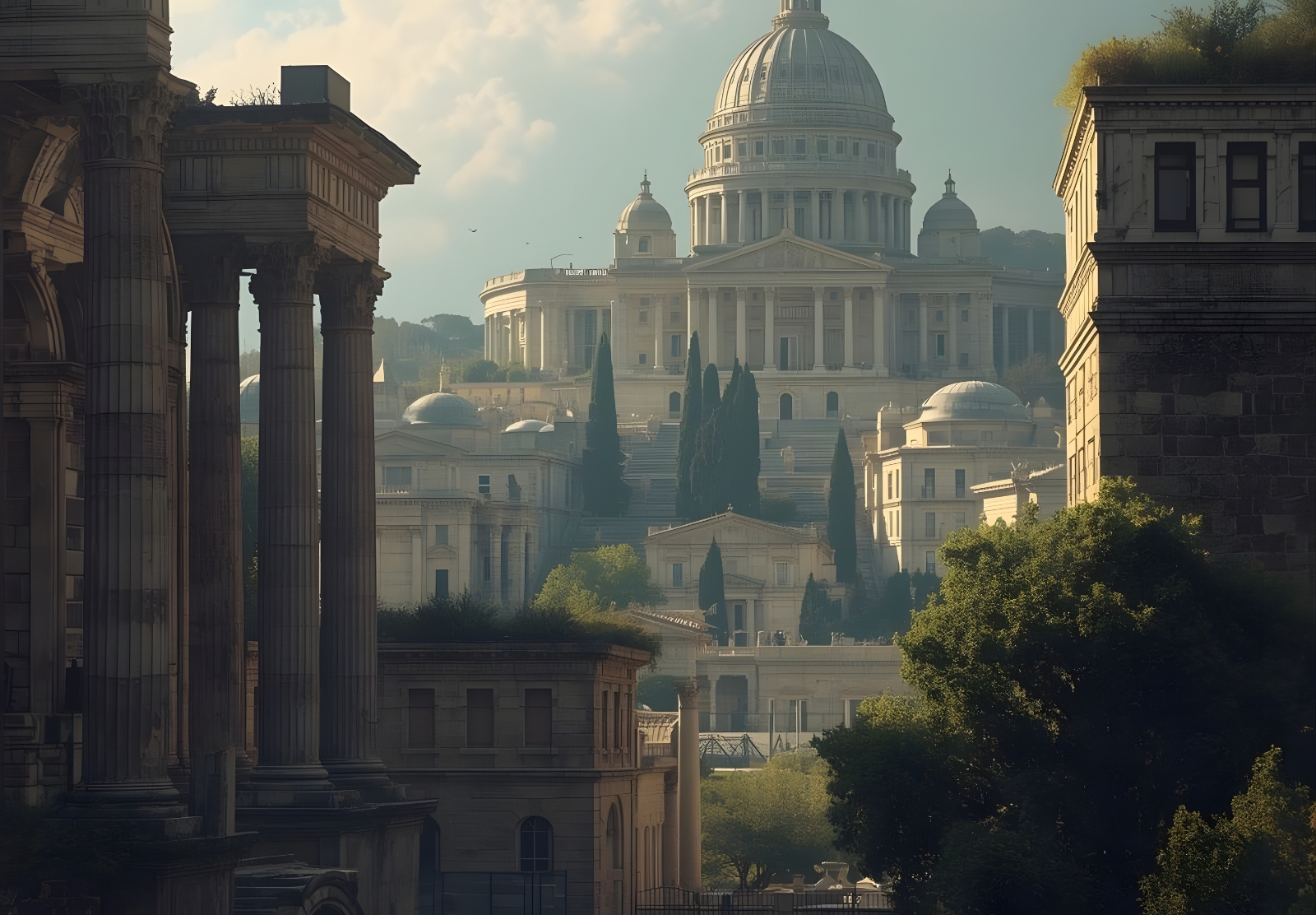
America’s founders drew deeply from Rome—Senate from senatus, eagle emblem, neoclassical capitol buildings echo the Forum. Yet physical relics like New Orleans’ stone remind us connections run deeper, maybe literally.
From Pompeii’s concrete secrets studied at MIT to cursed tombs in YouTube lore, Roman mysteries captivate U.S. audiences. These finds bridge eras, questioning if ancient sailors eyed our shores.
SCIENCE MARVELS – READ MORE : Mysterious 17th‑Century Shipwreck Found Off Coast Reveals Hidden Artifacts, Maritime Secrets, and Evidence of Early Transoceanic Trade Routes
Frequently Asked Questions
How did the New Orleans gravestone reach America? Likely smuggled by WWII soldier Charles Paddock from bombed Italian museum.
Are Tucson artifacts real Roman relics? Initial experts said yes, but many now view as 20th-century hoax due to anomalies.
What were Roman dodecahedrons for? Unknown; top theory is religious tool, no consensus after centuries.
Could Romans have visited America? Stray coins suggest possible, but no solid proof of settlements—mostly legends.
What’s next for the gravestone? Returning to Italy, with experts like Lusnia aiding display.
These stories show Rome’s long arm, turning U.S. backyards into history’s stage. As digs continue, more secrets may surface, keeping the mysteries alive.