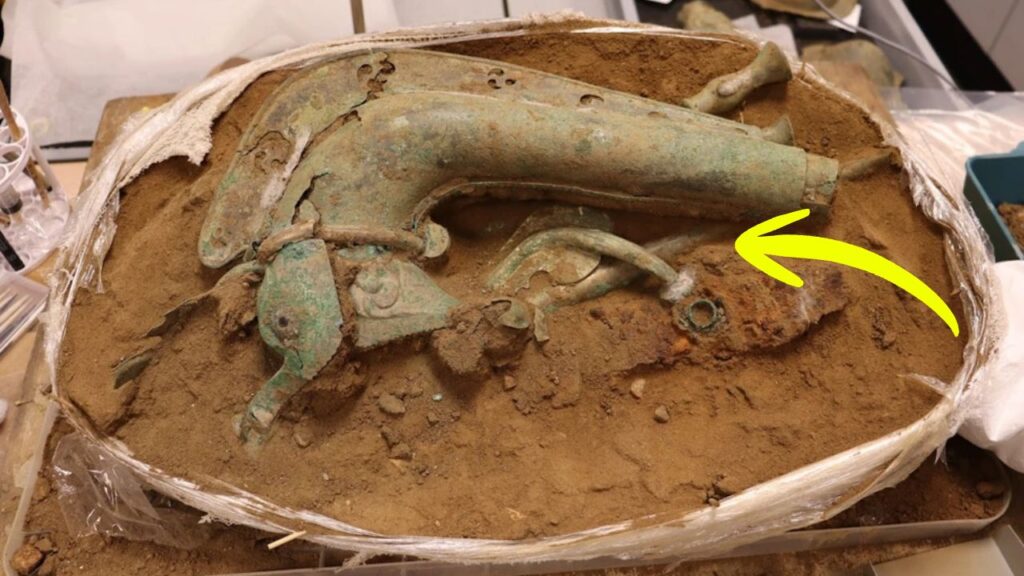
Imagine a city founded by Alexander the Great himself. A bustling port on the Tigris River. A crossroads of empires, destroyed by floods, rebuilt by kings, and eventually swallowed by the desert. For centuries, scholars knew it existed. They just couldn’t find it. Until now.
Deep in modern-day Iraq, researchers have finally pinpointed the location of Charax Spasinou—the Alexandria on the Tigris. This is the story of how drone technology, magnetometers, and sheer determination pulled a 2,300-year-old secret from the sand.
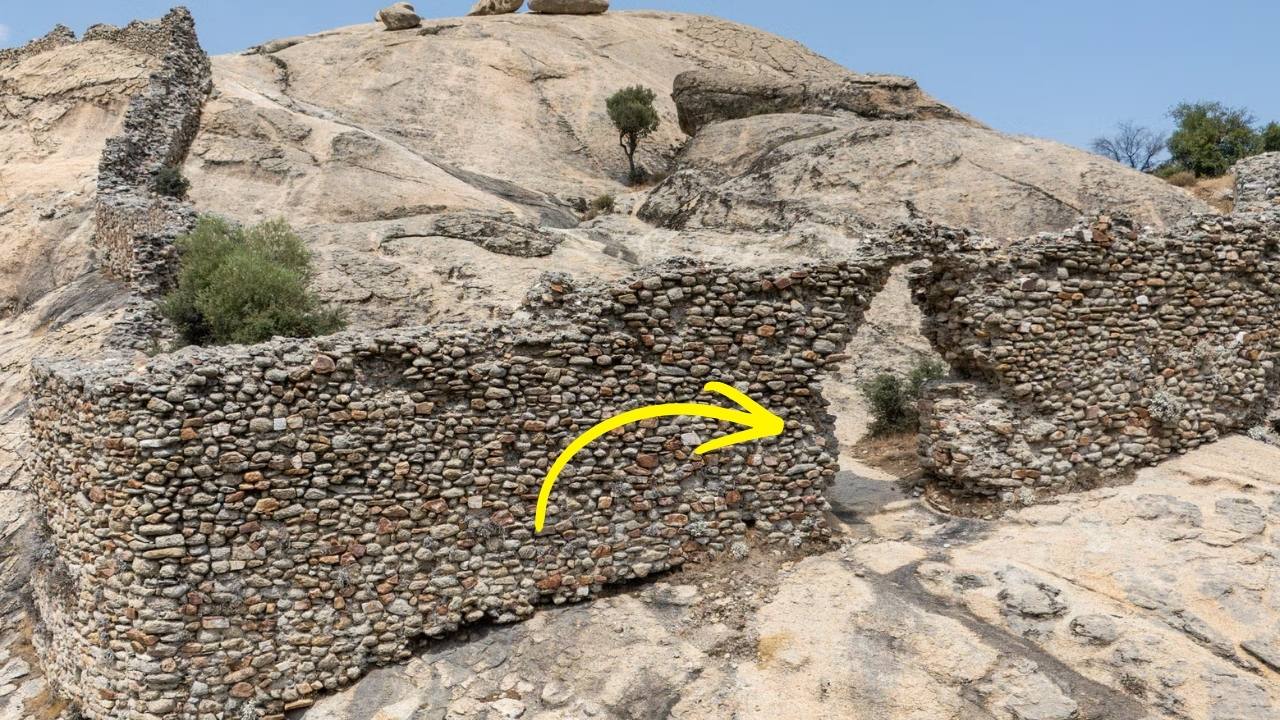
Table of Contents
The Astonishing Find: A City Built by a Legend
The year was 324 BCE. Alexander the Great was at the height of his power. His armies had swept across Persia. Egypt had fallen. The known world lay at his feet. During this final chapter of his life, he ordered the foundation of a new city.
It would be called Alexandria.
But not the famous Alexandria in Egypt. This was Alexandria-on-the-Tigris, established in what is now southern Iraq. Alexander populated it with veteran soldiers and settlers from a destroyed nearby town. It was meant to be a stronghold, a trading hub, a beacon of Greek culture in Mesopotamia.
Then, Alexander died. The city’s fate became entangled in history.
Pliny the Elder, the Roman author, recorded its turbulent story in his Naturalis Historia. The original Alexandria was destroyed by floods. A Seleucid king named Antiochus rebuilt it, renaming it Antioch. More floods came. Finally, a local ruler named Spaosines restored it once more, building massive embankments to tame the rivers. He gave it his own name: Charax Spasinou.

The city survived for centuries. It became a wealthy trading hub. And then, it vanished.
The Century-Long Hunt
For generations, historians and archaeologists debated its location. They had Pliny’s description: a city on an artificial elevation, between the Tigris and another river, at their junction. But rivers change course. Landscapes shift. The precise spot remained elusive.
In the 1960s, a British researcher named John Hansman examined Royal Air Force aerial photographs. He spotted something intriguing: a huge walled enclosure and traces of settlement in the region. It was a promising lead. But he could not follow it.
Geopolitics intervened.
Decades of conflict in Iraq made on-the-ground research impossible. The site, whatever and wherever it was, remained out of reach. The lost city waited.
What the New Surveys Reveal: Technology Breaks the Deadlock
In 2014, conditions finally allowed access. A research team moved in to conduct large-scale surface surveys. They walked across more than 500 square kilometers. They recorded dense scatters of pottery, brick fragments, and industrial debris. The surface was speaking. They were listening.
Then came the drones.
Thousands of aerial photographs built a detailed terrain model. Every bump and shadow was mapped. Next, geophysicists deployed magnetometers. These instruments measure subtle variations in the Earth’s magnetic field. Buried walls, kilns, and foundations distort that field. The magnetometers revealed what lay beneath.
The result was astonishing.
The outline of a complete city emerged from the data. Wide streets formed a grid. Large housing blocks stretched across the urban plan. Temple compounds sat within walled precincts. Workshops with kilns indicated industrial activity. Canals connected to the river. Harbor basins marked the waterfront.
Charax Spasinou had been found.
Global Implications: Rewriting Mesopotamian Trade
The city’s location along the Tigris was strategic. It sat at a crossroads of ancient trade routes. Goods from the Persian Gulf could move upriver. Caravans from Arabia could reach its markets. Products from the Mediterranean could flow through.
This was a hub of commerce.
The newly revealed street grid and harbor infrastructure confirm its economic importance. The city was designed for movement, for exchange, for prosperity. It connected Mesopotamia to the wider Hellenistic world and beyond.

The team now hopes to determine the city’s construction phases. They want to link its urban growth with shifts in trade and environmental change. When did it flourish? When did it decline? How did the rivers shape its fate?
What This Means for History: Excavations Await
For now, the city remains buried. The surveys have mapped it. The mystery of its location is solved. But the real work is just beginning.
The research team hopes to secure permission for full-scale excavations. They want to uncover the streets, the temples, the homes of Alexander’s veterans. They want to walk where Spaosines built his embankments. They want to touch the bricks of a city that rose from floods and survived for centuries.
Charax Spasinou is one of Alexander’s last works. It was founded as he raced toward the end of his life. It witnessed the rise and fall of empires. It was lost, and now it is found.
The desert kept its secret for 1,200 years. Not anymore.
In-Depth FAQs: Your Questions Answered
1. How was the city finally located after so many years of searching?The breakthrough came from a combination of non-invasive survey techniques. Researchers conducted extensive surface walking to collect pottery and debris. They used drone photography to create high-resolution terrain models. Most importantly, they deployed magnetometers, which detect buried structures by measuring magnetic field distortions. This multi-layered approach revealed the city’s grid, buildings, and infrastructure without digging a single shovel.
2. Why does the city have three different names?Each name marks a distinct phase in its history. Alexandria was the original name given by Alexander the Great. After destruction by floods, the Seleucid king Antiochus rebuilt it and renamed it Antioch. Following another flood, the local ruler Spaosines restored it once more, built protective embankments, and renamed it Charax Spasinou—”Charax” meaning fortress or enclosure, and “Spasinou” referring to Spaosines himself.
3. What role did Pliny the Elder play in finding the city?Pliny the Elder’s Naturalis Historia, written in the first century CE, provided the essential literary description of the city’s location. He placed it on an artificial mound between the Tigris and Eulaeus rivers at their junction. While not precise enough for GPS coordinates, his account gave researchers a general region to investigate and confirmed the city’s historical existence and significance.
4. Was this city important in the ancient world?Absolutely. Charax Spasinou became a major trading hub in Mesopotamia. Its position along the Tigris connected it to the Persian Gulf and the Indian Ocean trade. It handled goods traveling between the Roman Empire, Parthia, India, and Arabia. Its wealth and strategic importance made it a coveted prize for successive empires.
5. Will archaeologists actually dig up the city?The research team hopes to conduct future excavations pending permits and funding. The magnetometer and drone surveys have provided a detailed map of what lies beneath. Excavations would allow archaeologists to recover artifacts, date construction phases, and understand daily life in the city. For now, the site is protected and documented, awaiting the next phase of discovery.