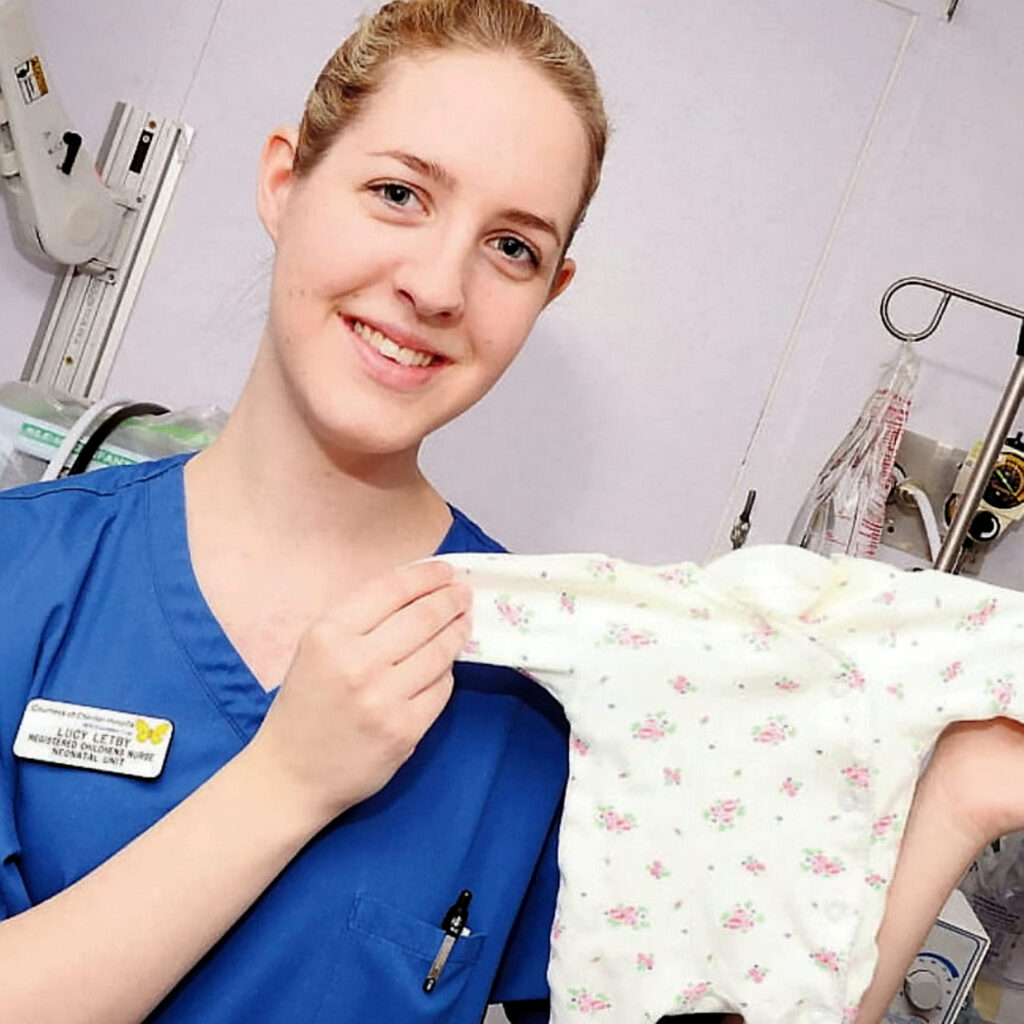

A major report has revealed executives at the hospital where Lucy Letby murdered several babies could have prevented some of the deaths by removing her from the neonatal ward much earlier.
The report by Lady Thirlwall criticises executives at the Countess of Chester hospital, who she says, “failed to follow the Royal College of Paediatrics and Child Health recommendations to investigate”.
In the report, she says: “This was high-handed, contrary to all safeguarding principles and foolhardy.
“If suspicions of murder have been raised in a hospital, the police must also be called.”
Read Also: Earl Charles Spencer's new book on Princess Diana stolen in Dutch lorry raid
And yet, even much later down the line, at a meeting in May 2016 in which the unit’s Lead Clinician – Dr Breary – raised concerns about Letby, he was “shouted down by the nurses and ignored by the executives”.
To this, Lady Thirlwall states everyone in the meeting should have known that “to take safeguarding steps…suspicion should have been enough. But no one was thinking of safeguarding.”
If action had been taken earlier, following suspicions being raised in October of 2015, the report states the murders of two babies (Baby O and Baby P), as well as attacks on five others – one of which a jury found ultimately led to the death of Baby K – could have all been prevented.
The inquiry found, between 2015 and 2016 (the dates in which Letby carried out her attacks), the neonatal ward at the Countess of Chester Hospital was “cramped and outdated, had repeated problems with the plumbing, and lacked facilities for mothers to stay with their babies”.
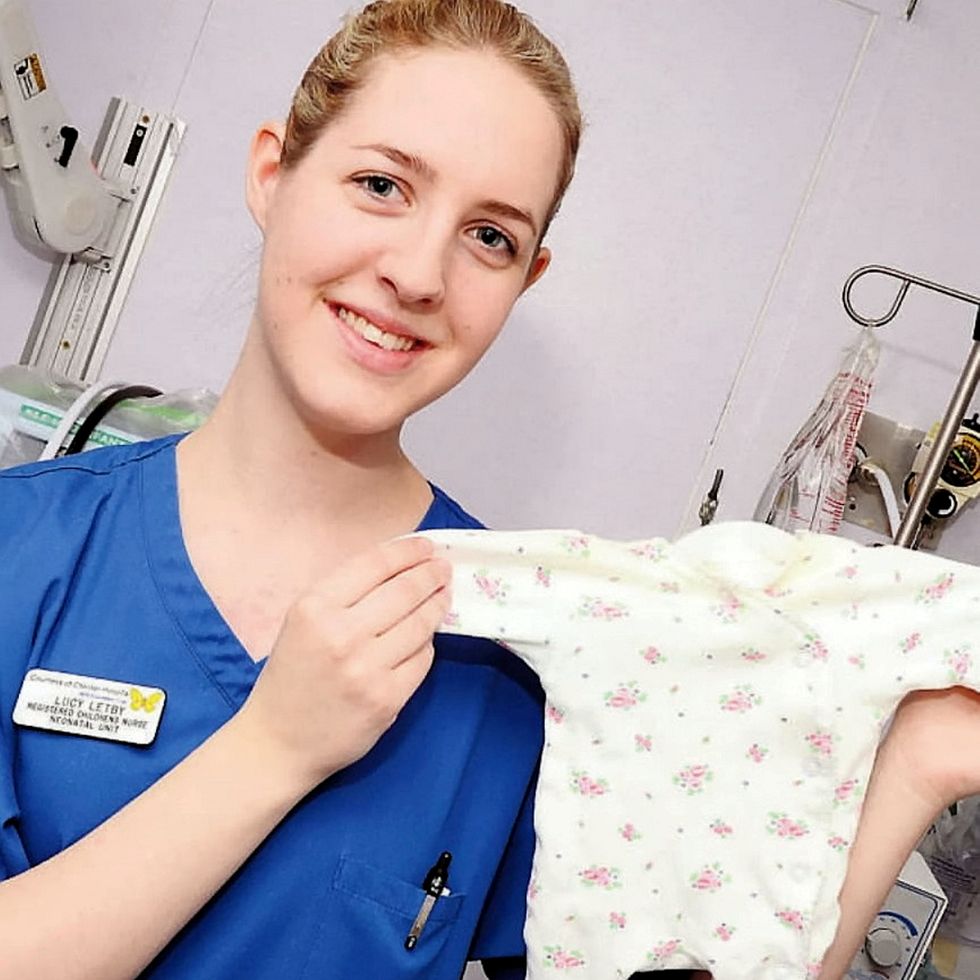
It also outlined that, prior to the attacks, the number of deaths on the ward each year ranged from one to three. Yet, in 2015 and 2016, those numbers increased.
Since Letby was removed in 2016, there has been a total of just one death on the neonatal ward, which was in September of 2019.
The report also criticises a so-called ‘no blame culture’ in the NHS, which Lady Thirlwall says came into being in 2000 and was a “mistake”. She goes as far as to say that, in this case, “the focus on system faults rather than the failings of individuals… meant difficult conversations about conduct were avoided. This undermined patient safety”.
The report itself spans over some 822 pages, with the aim of providing answers to the families of victims and to ensure lessons are learned.
In the report, Lady Thirlwall starts by thanking the parents who gave evidence throughout the course of the inquiry.
LATEST DEVELOPMENTS:
- ‘Reckless’ people smugglers risk dozens of lives by launching small boat in treacherous conditions
- Villages across Britain beg for Piddington blueprint as referendum ballot opens today
- Two dead and four injured after horror crash in Doncaster as driver arrested
She said: “Throughout a very difficult and prolonged process, the parents have conducted themselves with dignity and determination, with the aim that no other parents should have to experience such grief and heartache.”
Summarising her findings, Lady Thirlwall stated: “My report describes dysfunctional management and governance; a gulf between hospital leadership and clinicians; and failure to understand the fundamentals of safeguarding.
“There was a complete failure to protect babies on the neonatal unit at the Countess of Chester Hospital. This was because no-one seems to have understood that safeguarding action is required when a member of staff is suspected of causing deliberate harm and does not require colleagues to be sure of guilt.
“Rather than being believed when concerns were raised, clinicians were themselves made the subject of investigation within Letby’s grievances process. Three consultants were told to apologise to Letby, and plans were formulated (although later abandoned) to bring Letby back onto the neonatal unit.”
At the end of the report, Lady Thirlwall sets out a series of 17 recommendations – each with the function of improving patient care and safety, not just at the Countess of Chester Hospital, but across all NHS services.
Among those is a recommendation regarding CCTV, which was something supported by victims’ parents.
She says: “The parents were firmly of the view that CCTV would protect babies on the neonatal unit. I agree. Parents of very young babies will find this reassuring. It will also deter those rare people who seek to harm babies. I am not persuaded that the cost, training and ‘workload’ implications outweigh those benefits.
“I am sure that all cots and incubators in all neonatal units should be fitted with in-cot cameras with live-streaming video, so that parents may observe the baby remotely at any time.”
She also states that the funding for this should be centrally managed and ring-fenced, to ensure it can be consistently and speedily implemented. In fact, she believes a roadmap for how this will be done should be in place by the end of March 2027.
Lady Thirlwall also makes recommendations around the use of insulin, suggesting access to the drug should be restricted by digital devices, and any use or access should be recorded.
She also states that, until this can be implemented in full, each Trust should install CCTV cameras directed at insulin storage fridges or units.
This recommendation comes as Letby was found guilty on two counts of attempting to murder babies by poisoning them with insulin.
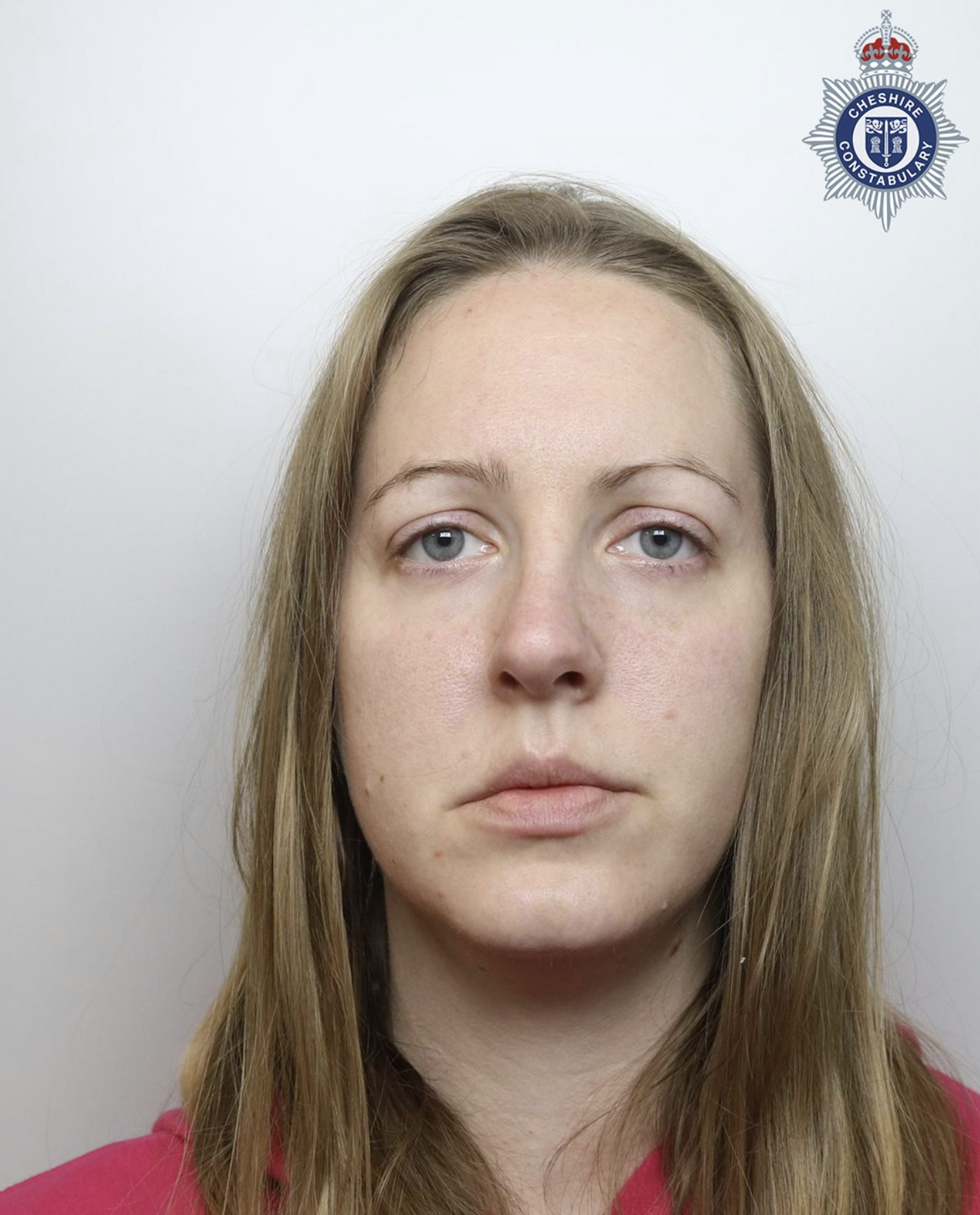
Lucy Letby is currently serving a whole life-order for the murder of seven babies, and the attempted murder of seven others whilst she worked as a nurse on the neonatal unit at the Countess of Chester Hospital between 2015 and 2016.
Our Standards:
The GB News Editorial Charter