
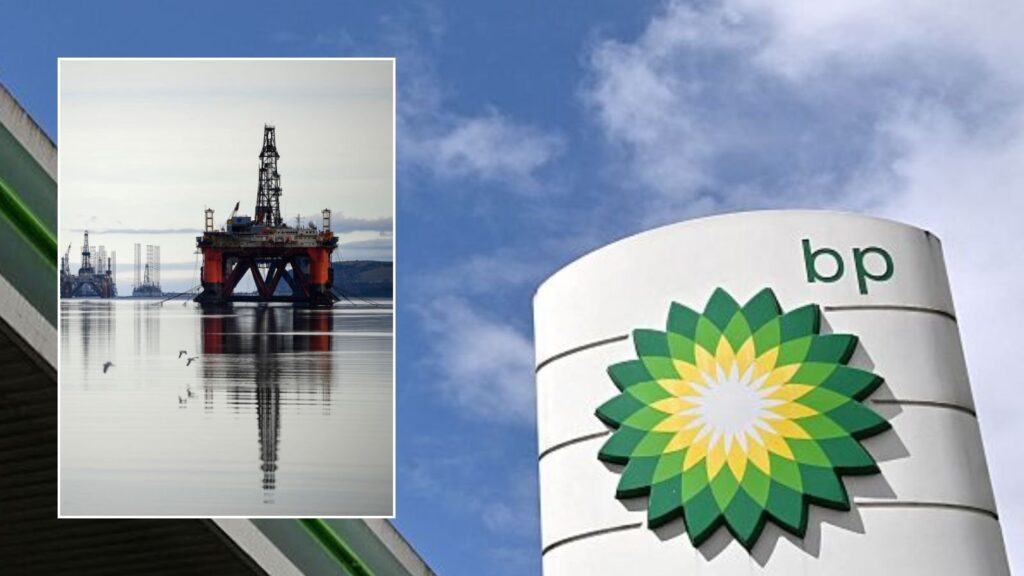

BP has confirmed plans to put its North Sea oil business up for sale despite the reserves it owns being “integral to the UK’s energy system”.
According to the energy company, this latest move is part of continuing efforts to trim down its operations by selling off parts of the business.
Read Also: Urgent probe launched after Southport attack victims' files accessed in major data breach
Chief executive Meg O’Neill said she believed the North Sea business, which has around 1,100 staff, would be “better positioned as part of another company”.
She said: “The North Sea remains integral to the UK’s energy system.
Read Also: Briton saves five bears from cages in South Korean camp in extraordinary rescue mission

“However, as we focus our portfolio and direct capital to our highest-value opportunities, we believe our North Sea business will be better positioned as part of another company.
“It has world-class people, resilient assets and a proud heritage, and it is precisely these qualities that can attract an owner ready to back its next chapter.”
Among the oil assets in BP’s portfolio include Glen Lyon, Clair and Clair Ridge to the west of Shetland, as well as Andrew and ETAP in the Central North Sea.
Prime Minister Andy Burnham has claimed he will take a “pragmatic” view to oil and gas drilling in the North Sea in his second week since getting the keys to Number 10 Downing Street.

LATEST DEVELOPMENTS
- Labour told to tackle sky-high electricity costs ‘head-on’ as businesses miss out on support
- Oil prices spike AGAIN as Donald Trump threatens to ‘hit Iran hard’
- British households could pay an extra £1,400 A YEAR under net zero plans, report warns
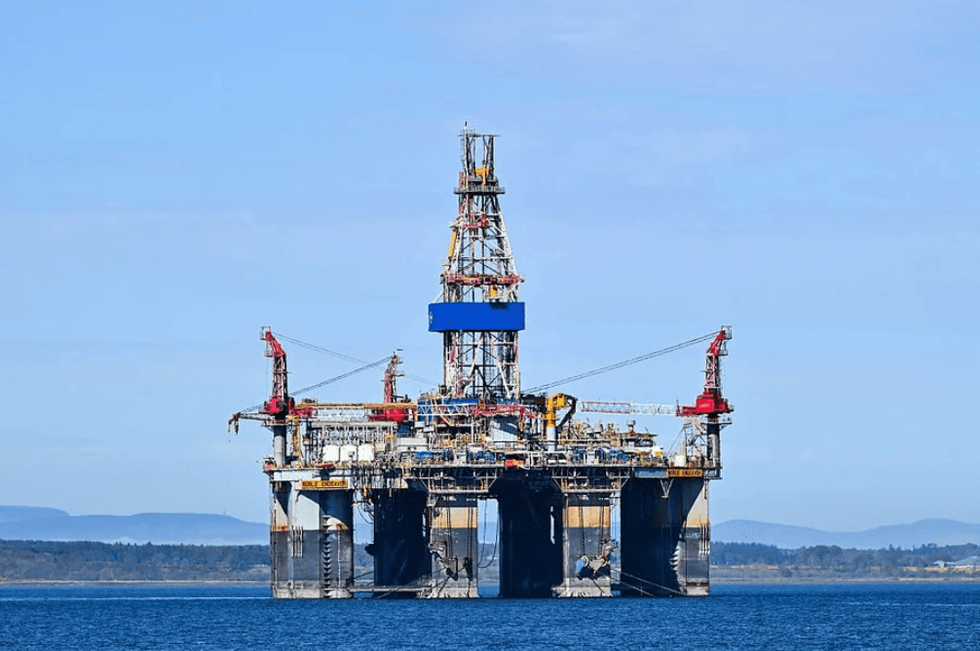
According to the new PM, the Labour Government should not ignore any potential energy sources that Britain has at its disposal. This intervention from Mr Burnham comes after US President Donald Trump renewed calls for Britain to drill in the North Sea.
In his first conversation with the Prime Minister, President Trump claimed he told Mr Burnham to “open up” North Sea oil. However, the UK Government’s summary of the call did not reference the White House’s call to action when it comes to drilling.
BP’s decision to put its North Sea business up for sale is “a damning indictment of energy policy in the UK”, MPs have said.
It leaves the Prime Minister facing “a defining moment” over North Sea oil, as business leaders asked: “How many more jobs need to be lost before the UK Government acts?”
The energy giant said the decision to market the business for a potential sale forms part of its strategy to slim down the group by selling off parts of the business.
BP’s North Sea business has five production hubs, two in the central North Sea, and three west of Shetland, and produced 117,000 barrels of oil equivalent per day in 2025.

Some 1,100 staff work for the North Sea business, part of BP’s approximately 13,960-strong UK workforce. BP was granted its first North Sea licence in 1964.
The Aberdeen & Grampian Chamber of Commerce said that BP’s decision should not be viewed “in isolation”. The UK offshore oil business had been “badly shaken” by years of mixed messaging, high taxes and political uncertainty, it points out.
Under Labour, new exploration licences have been banned. Offshore operators face paying a headline figure of 78 per cent on profits because of the Energy Profits Levy, or windfall tax. Work at two licensed fields, Rosebank and Jackdaw, has been paused, pending a legal challenge on climate grounds.
Consultations on their futures are underway, and the final decision will rest with the Government, Russell Borthwick, chief executive of the AGCC, said the cumulative effect of these pressures had led to capital flight.
“Unless investors have confidence that Britain is open for business, more capital, more jobs and more expertise will continue to leave,” he warned.
“Today’s announcement from BP should be a defining moment for the new Prime Minister. How many more jobs need to be lost before the UK Government acts?”
Our Standards:
The GB News Editorial Charter