We often meet ancient civilizations through fragments: a shard of pottery, a worn inscription, the skeleton of a wall. Our imagination must work overtime to fill in the vibrant, living whole. But what if you could step into a room they sealed 1,400 years ago and find their art, their colors, and their symbols not faded, but waiting? In the hills of Oaxaca, Mexico, that door has just been opened.
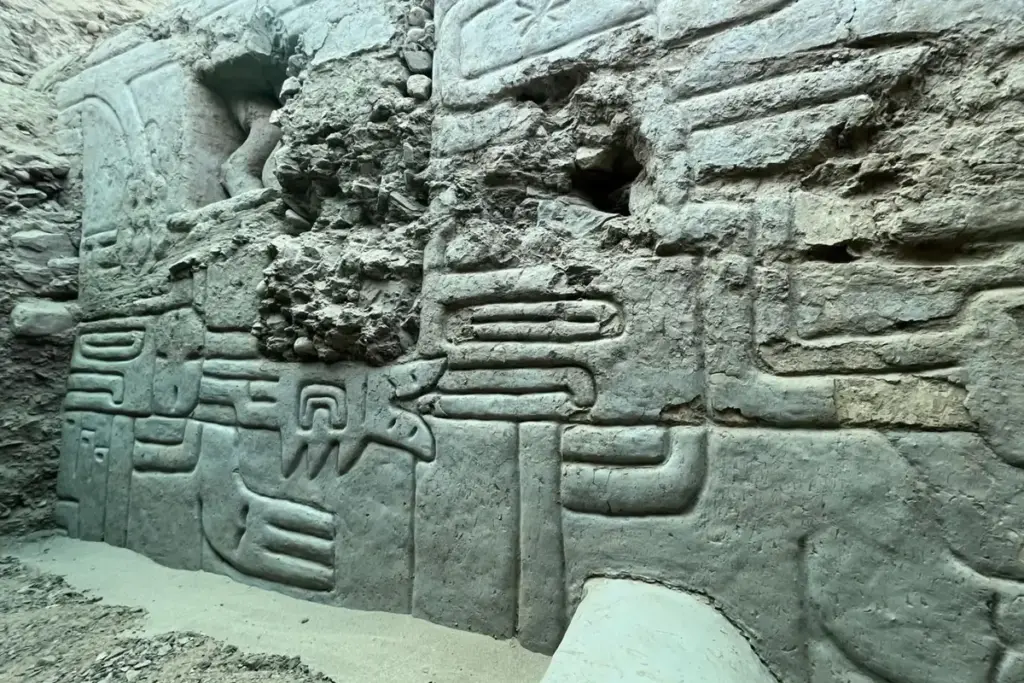
Following a tip about looters—a modern crime yielding an ancient miracle—archaeologists have unveiled a Zapotec tomb of such breathtaking preservation that Mexico’s President has declared it “the most significant archaeological discovery of the last decade.” Dated to 600 AD, this isn’t a ruin. It’s a time capsule with its paint still wet, its carvings still sharp. It offers a direct, unfiltered conversation with the “Cloud People,” allowing us not just to study their death rituals, but to witness the profound artistry and spiritual conviction with which they honored the journey into the afterlife.
The Astonishing Find: A Perfectly Preserved Universe
The tomb’s power lies in its completeness. While many Mesoamerican tombs have been plundered or decayed, this one presents an intact narrative.
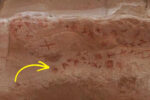
The Guardians at the GateThe entrance is commanded by potent symbolism. A sculpted owl—the Zapotec emissary of night and death—presides over the threshold. Beneath its gaze, vibrant murals depict a solemn procession of figures bearing copal resin, the sacred incense that bridged the earthly and divine realms. This isn’t mere decoration; it’s a choreographed ritual frozen in time, illustrating the continuous veneration that followed burial.
A Palette Defying CenturiesThe survival of the color palette is a scientific and aesthetic marvel. The ochres, whites, greens, and reds on the walls have not dimmed. This offers an unparalleled opportunity for conservators and chemists to analyze ancient pigments and for visitors to experience the aesthetic world of the Zapotec exactly as they intended it—vivid and spiritually charged.
The Deeper Meaning: More Than a Tomb
President Sheinbaum’s designation is not hyperbole. This tomb is a keystone discovery.
A Rosetta Stone for RitualThe clarity of the iconography—the owl, the procession, the architectural layout—acts as a “Rosetta Stone” for interpreting more fragmentary Zapotec sites. It provides the definitive context for understanding how ritual space was conceived, used, and experienced. It moves theory into the realm of witnessed practice.
The Heart of the Zapotec WorldviewThe tomb reinforces that for the Zapotec, death was not an end but a transition to ancestral status. This space was likely a site of ongoing ceremony, where the living returned to commune with and nourish the deified dead. It embodies the core Mesoamerican belief in a cyclical cosmos where ancestors actively influenced the world of the living.
Your Journey to the
For the history-inspired traveler, this discovery elevates Oaxaca from a destination to a pilgrimage. The new tomb is the dazzling centerpiece of a region that is essentially an open-air museum of Zapotec and Mixtec civilization.
The Archaeological Circuit:
- Monte Albán: The majestic hilltop capital, a UNESCO site offering panoramic views and the grand scale of Zapotec power.
- Mitla: The “Place of the Dead,” renowned for its incredibly intricate geometric stone mosaics, showcasing a later, unique architectural style.
- Yagul & Lambityeco: Smaller but profound sites featuring tombs, ball courts, and residential complexes that round out the picture of daily and ceremonial life.
The Cultural Context:
- Oaxaca City: Use the city as your base. Visit the Museo de las Culturas de Oaxaca (housed in a stunning ex-convent) and the Rufino Tamayo Museum of pre-Columbian art to see artifacts that provide further context before you visit the sites.
- Culinary & Craft Legacy: The Zapotec mastery of their environment lives on in Oaxaca’s world-famous cuisine (mole, chocolate) and vibrant artisan traditions (pottery, textiles). Engaging with these is part of understanding the enduring cultural legacy.
Traveling with Wisdom:As with many places of deep beauty, travel should be informed. The U.S. State Department advises increased caution (Level 2) for Oaxaca state due to crime in certain areas. However, the main tourist and archaeological corridors are generally safe with common-sense precautions:
- Stay Centered: Base yourself in well-trafficked areas like Oaxaca City’s historic center.
- Travel Smart: Use authorized taxi services or pre-booked tours for site visits. Travel between sites during daylight hours.
- Be Prepared: Keep digital copies of documents, stay hydrated with bottled water, and invest in a good guide—both a book and a knowledgeable local one.
The Final Verdict: A Must-See for the Historically Curious
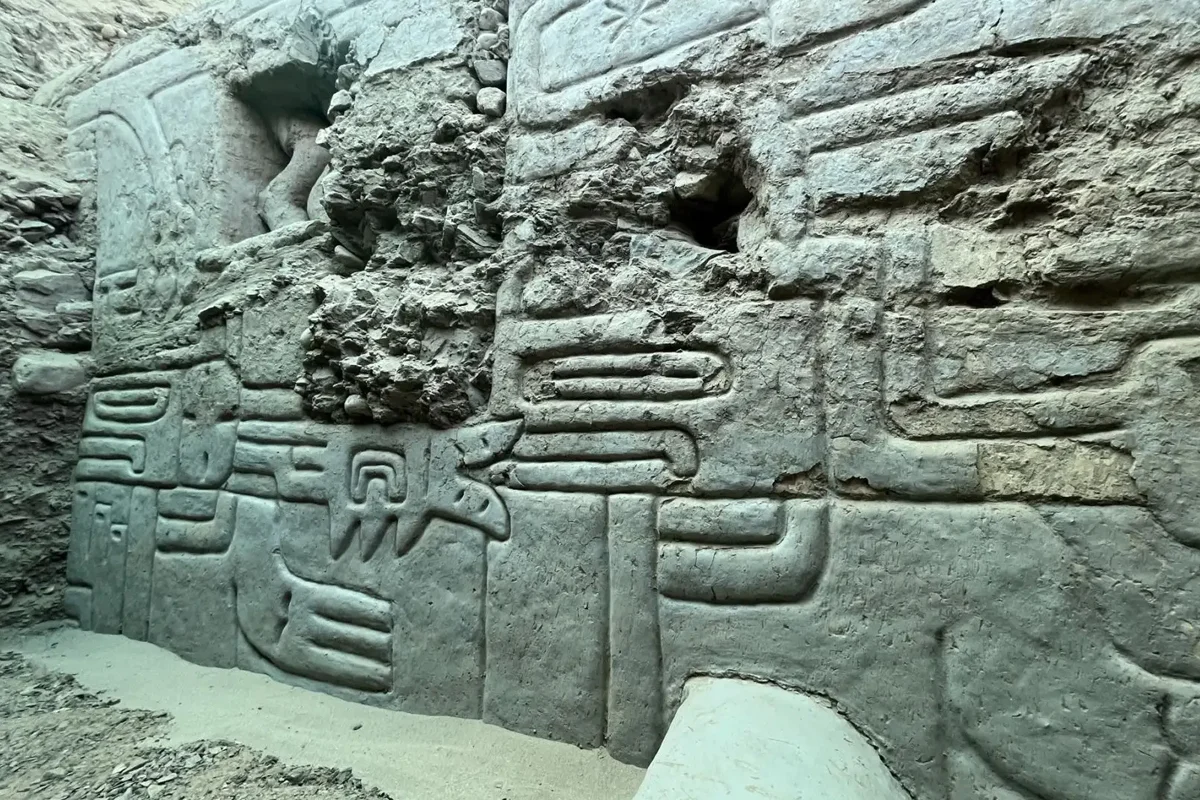
The discovery at San Pablo Huitzo is a rare gift. It is a chance to stand before a chapter of human history that has not been rewritten by time or treasure hunters. While public access to the tomb itself will be highly controlled to ensure its preservation (with digital reconstructions likely being the primary public interface), its discovery fundamentally enriches a visit to Oaxaca.
To walk the plaza of Monte Albán now, knowing the vivid, intimate details of the belief system that powered it, is to transform that experience. This tomb doesn’t just add a new site to the map; it illuminates the entire region with a brighter, more detailed light. It affirms that the greatest journeys are those that connect us not just to a place, but to the profound human stories etched into its very foundation.