
Scientists analyze deep volcano : Local leaders in Washington and Oregon are calming fears sparked by NASA’s recent red alert on Cascade volcanoes. Experts emphasize ongoing monitoring while stressing no immediate threat exists.
Table of Contents
NASA’s Stark Warning Sparks Concern
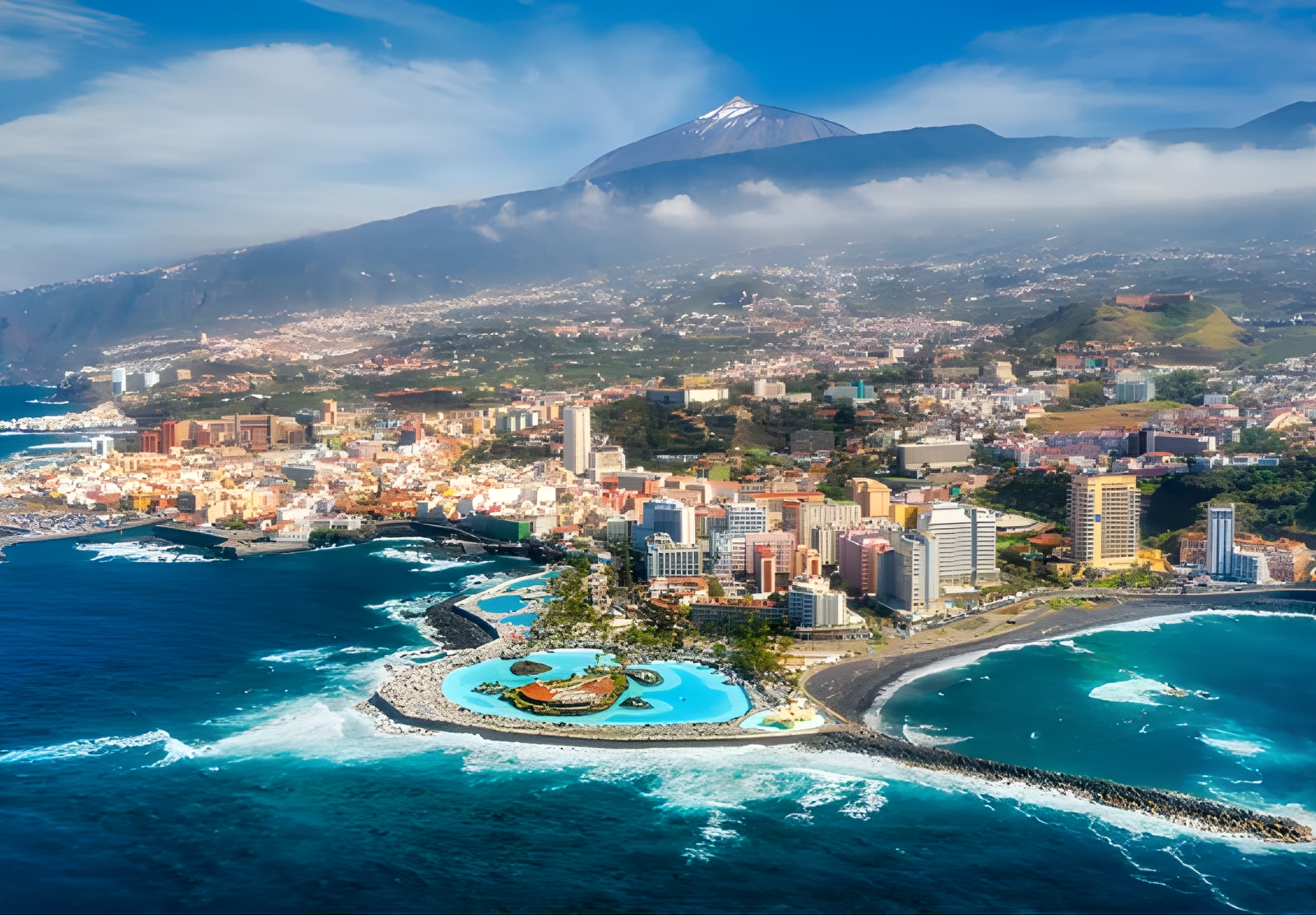
It started with satellite images that no one could ignore. NASA’s advanced sensors picked up unusual ground swelling and fault movements across the Pacific Northwest, from Mount Rainier to underwater Axial Seamount.
Scientists described it as “tectonic tearing,” where deep pressures stretch the Earth’s crust slowly over weeks or months. This led to a rare Level 5 red alert—the highest level—for the entire Cascade region, a first in U.S. history.
Residents woke up to headlines about “waking volcanoes” and potential eruptions. Social media buzzed with clips of bulging flanks on Mount St.
Helens and Mount Baker, fueling worries in cities like Seattle and Portland. Schools reviewed evacuation plans, and hospitals checked routes, all while daily life hummed on amid the lush forests and snowy peaks.
The Science Behind the Alert
What exactly set off the alarms? Seismic networks detected small tremors and coordinated strain across multiple faults, something rare but not unheard of in this subduction zone.
Mount Rainier saw a brief earthquake swarm in summer 2025, while Axial Seamount off Oregon showed classic pre-eruption uplift.

These aren’t isolated; they suggest magma shifting deep underground, pressurizing the system without yet breaking through.
Experts clarified that such activity fits long-term patterns in the Cascades, shaped by the Pacific plate diving under North America.
History backs this—Mount St. Helens’ 1980 blast had similar precursors, but today’s tech spots them early. Still, prediction remains tricky; volcanoes operate on geologic time, not calendars.
Public Jitters Grip the Region
Panic rippled through communities shadowed by these giants. In Tacoma, near Rainier, parents pulled kids from hikes, recalling lahars—fast-moving mudflows—that could bury valleys in minutes.
Portlanders eyed the skies for ash clouds, remembering how past eruptions grounded flights and blanketed streets. Even remote areas felt it; fishermen off Oregon watched for submarine rumblings from Axial, which could stir tsunamis in worst cases.
False alarms didn’t help. Early reports of quakes under key peaks turned out to be sensor glitches, but the red alert lingered, amplifying every aftershock.

“It’s like living with a sleeping bear—you respect it, but you don’t poke it,” said one Seattle resident in local forums. Economic ripples hit too: tourism dipped near trails, though some spots saw gawkers drawn by the buzz.
Officials Step In with Calm Messages
Governors in Washington and Oregon held press conferences swiftly. “We’ve got the best monitoring in the world—no eruption is imminent,” assured Washington’s emergency director, citing USGS and NASA data. Oregon officials echoed this, urging preparedness kits but banning panic-buying of supplies.
Local mayors hosted town halls, explaining alerts in plain terms. “Level 5 means watch closely, not run,” one Portland leader quipped, handing out free radio guides for power outages.
Federal agencies like FEMA ramped up drills, focusing on lahars and ashfall without declaring emergencies. This measured tone worked; polls showed resident anxiety dropping after brief spikes.
Lessons from Past Eruptions
The region knows volcanoes aren’t abstract. St. Helens’ 1980 explosion killed 57, flattened 230 square miles, and sent ash nationwide.
Mazama’s collapse 7,700 years ago birthed Crater Lake, burying tribes under feet of debris. These scars inform today’s response—better sensors since 1980 caught Rainier’s swarms early.
Communities rebuilt smarter: Dams now withstand lahars, and apps ping real-time alerts. Axial’s potential eruption, predicted for late 2025, would mostly ripple seafloor life, but lessons apply to all. “We’ve learned to live with the giants,” a USGS volcanologist noted.

Beefing Up Preparedness Without Fear
Authorities rolled out practical steps. Washington distributed 10,000 emergency kits with masks for ash and water purifiers.
Oregon tested siren networks and ran lahar drills in vulnerable valleys. Schools taught kids volcano signs—rumbling, odd smells—while apps like USGS Volcano Notification pinged updates.
Infrastructure got scrutiny: Bridges over lahar paths reinforced, airports drilled ash-clearing protocols. Community groups formed watch parties for data feeds, turning fear into engagement. “Preparedness is peace of mind,” hammered home in every briefing.
Voices from the Ground
I talked to folks in the thick of it. Sarah, a barista in Olympia, stocked extra batteries but kept hiking: “Alerts make us ready, not scared.”
Tom, a Rainier park ranger, saw visitor questions surge: “Most just want facts—we give ’em straight.” A Portland scientist added, “NASA’s alert is like a smoke detector beeping—check it, don’t flee.”
Skeptics grumbled about hype, but most appreciated transparency. One forum post captured it: “Better safe than sorry, but let’s not empty the shelves.”
Scientists analyze deep volcano Ongoing Monitoring and Future Outlook
USGS and NASA keep eyes glued—GPS stations track millimeter shifts, gas sensors sniff magma fumes. Axial’s pressure builds, but land volcanoes quieted post-alert. No plumes, no big quakes; strain eases slowly.

Long-term, climate tweaks might stir more unrest, but tech advances faster. Officials vow sustained funding, learning from this episode.
SCIENCE MARVELS – READ MORE : Cunning ‘Cat Burglar’ Finally Arrested After Daring Night Raids; Police Reveal Clever Tactics Behind City’s Most Elusive Thief’s Capture
FAQ
Is an eruption happening now? No—current data shows unrest but no active eruption. Monitoring continues 24/7.
Should I evacuate? Not at this time. Follow local alerts and have a go-bag ready.
What caused the red alert? Satellite-detected ground deformation and seismic patterns across Cascades.
How accurate are predictions? Short-term hard, long-term improving with tech. History guides us.
What should families do? Stock water, food for 72 hours; know evacuation routes; monitor USGS app.








Latest Comments