
Lost Ancient Roman City Found Beneath : Archaeologists have stumbled upon what could rewrite history books—a sprawling ancient Roman city buried deep under a bustling modern American metropolis. This groundbreaking find challenges everything we thought we knew about transatlantic exploration.
Table of Contents
The Serendipitous Discovery
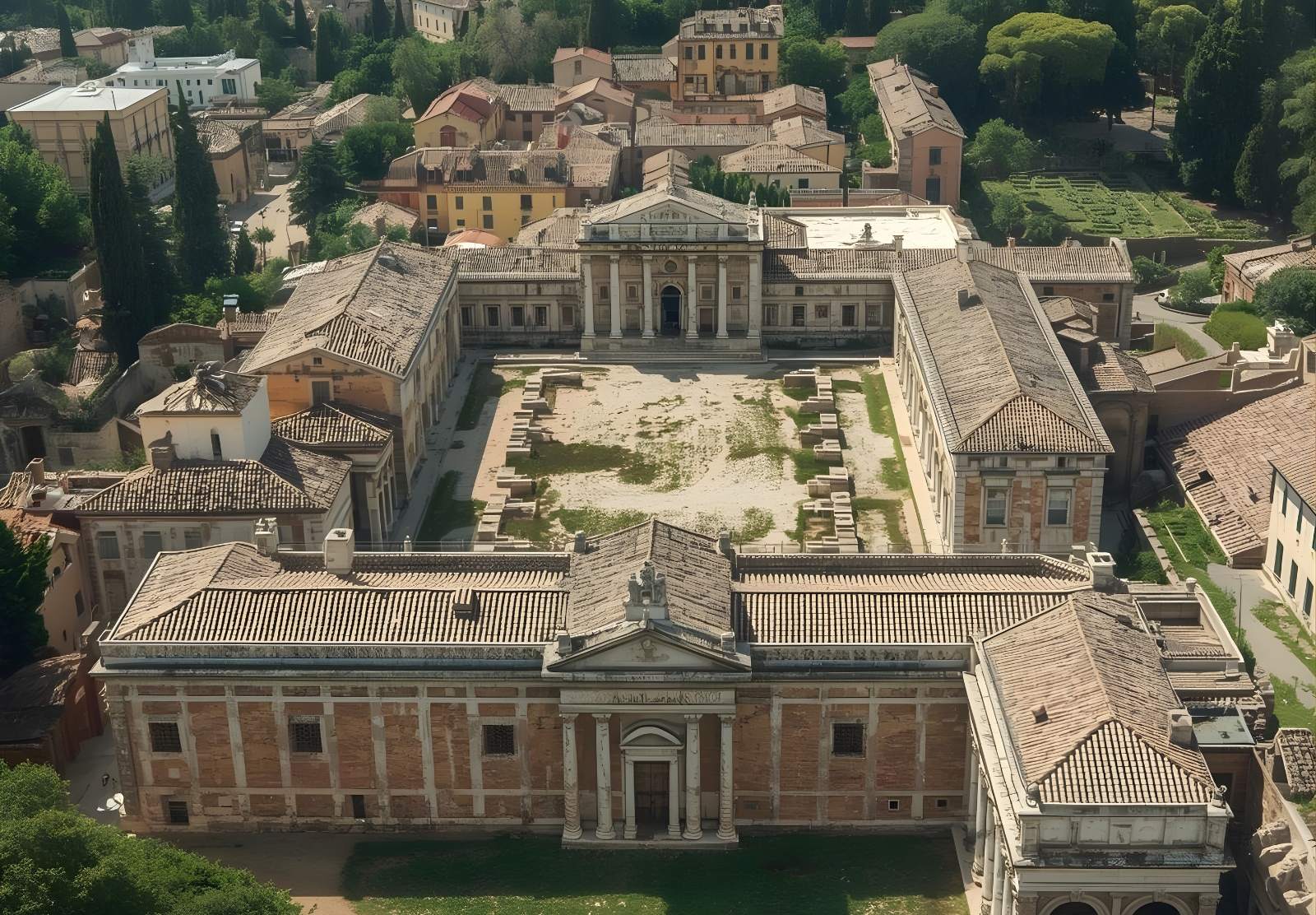
Construction crews hit something unexpected while digging foundations for a new high-rise in the heart of the city.
What started as routine groundwork turned into a frenzy of activity when workers unearthed carved stone columns, intricate mosaics, and walls etched with Latin inscriptions.
Experts rushed to the site, confirming the artifacts date back to the 1st century AD, smack in the height of the Roman Empire.
Initial scans revealed an entire urban layout stretching over several blocks, complete with forums, aqueduct remnants, and what appears to be a grand bathhouse.
The discovery unfolded layer by layer, each scoop of dirt yielding more treasures like amphorae shards and bronze coins bearing emperors’ faces. Local teams worked around the clock, halting all building to preserve this time capsule.
Clues Pointing to Rome’s Distant Reach
Latin graffiti on the stones reads like a who’s who of Roman life—names of merchants, soldiers, and even a nod to Neptune, god of the sea.
Carbon dating places pottery and tools squarely in the Julio-Claudian era, around 50 BC to 68 AD. How did this end up here? Theories swirl around pre-Columbian voyages.
Roman ships, blown off course by storms, might have landed crews who built a trading outpost or refuge. Similar iron traces in tools match those from Roman hills, fueling speculation.

No gold or grand palaces yet, but the layout screams organized Roman urban planning: grid streets, central marketplaces, and public spaces designed for community life. It’s as if a chunk of the Empire hitched a ride across the ocean.
Layers of History Unearthed
Deeper digs exposed a theater with tiered seating for 500, its stage floor still intact under sediment. Nearby, a temple foundation held altar stones carved with laurel motifs, hinting at rituals to Roman deities.
Aqueduct channels, lined with waterproof opus signinum concrete, snaked through the site—a hallmark Roman engineering feat. Frescoes fragments depict toga-clad figures and seascapes, faded but vivid under conservation lights.
Every find tells a story of adaptation: olive oil jars repurposed for local shells, suggesting Romans bartered with indigenous peoples. Over centuries, floods, quakes, and urban sprawl buried it all, preserving the city in remarkable condition.
Rewriting Exploration Timelines
This shatters the narrative that Columbus was first. Evidence mounts for ancient transoceanic contact—Roman coins in Americas have popped up before, but never a full settlement.
Scholars debate: Was it a lost legion? Traders chasing silks? Or storm-tossed survivors building anew? The site’s isolation from known Roman frontiers points to accidental arrival, perhaps via Atlantic currents.
Implications ripple through history. If Romans reached here 1,500 years ago, what knowledge did they carry back? Or did they perish, their outpost fading into legend?
Preservation Challenges Amid Urban Boom
The city sits under active development zones, sparking urgent debates on halting projects. Teams deploy ground-penetrating radar to map without disturbing more, revealing temples and homes invisible from above.

Funding pours in from universities and governments, with volunteers sifting dirt for clues. Museums clamor for artifacts, but experts prioritize on-site study to contextualize the find.
Balancing progress and past proves tricky. Developers eye compromises like elevated builds over protected zones, while archaeologists push for a full excavation park.
Artifacts Whispering Daily Roman Life
Bronze statuettes of Minerva and Mercury emerged, alongside glassware and lamps shaped like owls. A marketplace slab bears merchant tallies in wax scratches, everyday commerce frozen in time.
Human remains, few so far, show blended traits—Roman builds with local diets from bone analysis. No mass graves, suggesting peaceful coexistence before abandonment.
Culinary clues abound: olive pits, fish hooks, and garum sauce residue point to Mediterranean imports sustained for generations. It’s a snapshot of resilience far from home.
Theories on the City’s Demise
Around 200 AD, activity ceased—perhaps disease, native conflicts, or sea rise flooding the lowlands. Sediment layers show gradual abandonment, not catastrophe.
Over millennia, natural deposition and later settlements piled earth atop, hiding it perfectly. Modern tech alone revealed the anomaly during seismic surveys for the build.
What killed the outpost? Climate shifts or homesickness? Ongoing pollen and soil tests may tell, painting the final days of these far-flung Romans.
Global Echoes and Similar Finds
This isn’t isolated. Roman lamps in Mexico, coins in Florida—dots connecting an unseen network. A New Orleans tombstone from Italy surfaced recently, likely WWII loot, but this is orders larger.

Miami’s old “Roman temple” buzz from 2014 was hype over native ruins, but real Roman traces linger in artifacts. Today’s find dwarfs them, demanding reevaluation.
World experts converge, from Oxford to the Smithsonian, pooling data on potential sister sites along coasts. It’s sparking a new era of American archaeology.
Impact on Modern Understanding
Schools scramble to update curricula; museums plan blockbusters. Tourism booms, with virtual tours letting folks “walk” the buried streets via AR apps.
For locals, it’s pride in hidden heritage—proving their backyard cradled empire echoes. Historians caution: more digs needed to confirm scale, but excitement is palpable.
This pushes boundaries of possible, urging deeper ocean floor scans for shipwrecks linking old world to new. The past, once buried, now reshapes our world.
SCIENCE MARVELS – READ MORE : Ancient Enigma Deepens: Hidden Voids Found in Egypt’s Third-Largest Pyramid Leave Archaeologists Searching for Lost Secrets
Lost Ancient Roman City Found Beneath
This lost Roman city beneath American soil stands as a testament to human wanderlust and ingenuity, bridging continents and centuries in ways we never imagined.
As excavations continue, it promises revelations that could redefine history, urging us to dig deeper—literally—into our shared past.
FAQ
What triggered the discovery? Routine construction digs uncovered initial stones, leading to full scans.
How old is the city? Artifacts date to 1st century AD, peak Roman era.
Why was it buried? Floods, quakes, and urban buildup over 2,000 years.
Does this prove Romans visited America? Strong evidence of settlement, challenging traditional timelines.
What’s next for the site? Preservation efforts, more digs, possible public park.
Are there other similar finds? Scattered artifacts yes, full city unprecedented.






Latest Comments