
2025 Year of the Octopus : Octopuses grabbed headlines across the United States in 2025, emerging as unlikely stars of environmental debates, legislative battles, and cultural fascination.
What started as whispers about booming populations and smart sea creatures exploded into a national conversation on welfare, conservation, and innovation.
Table of Contents
Octopuses Step into the Spotlight
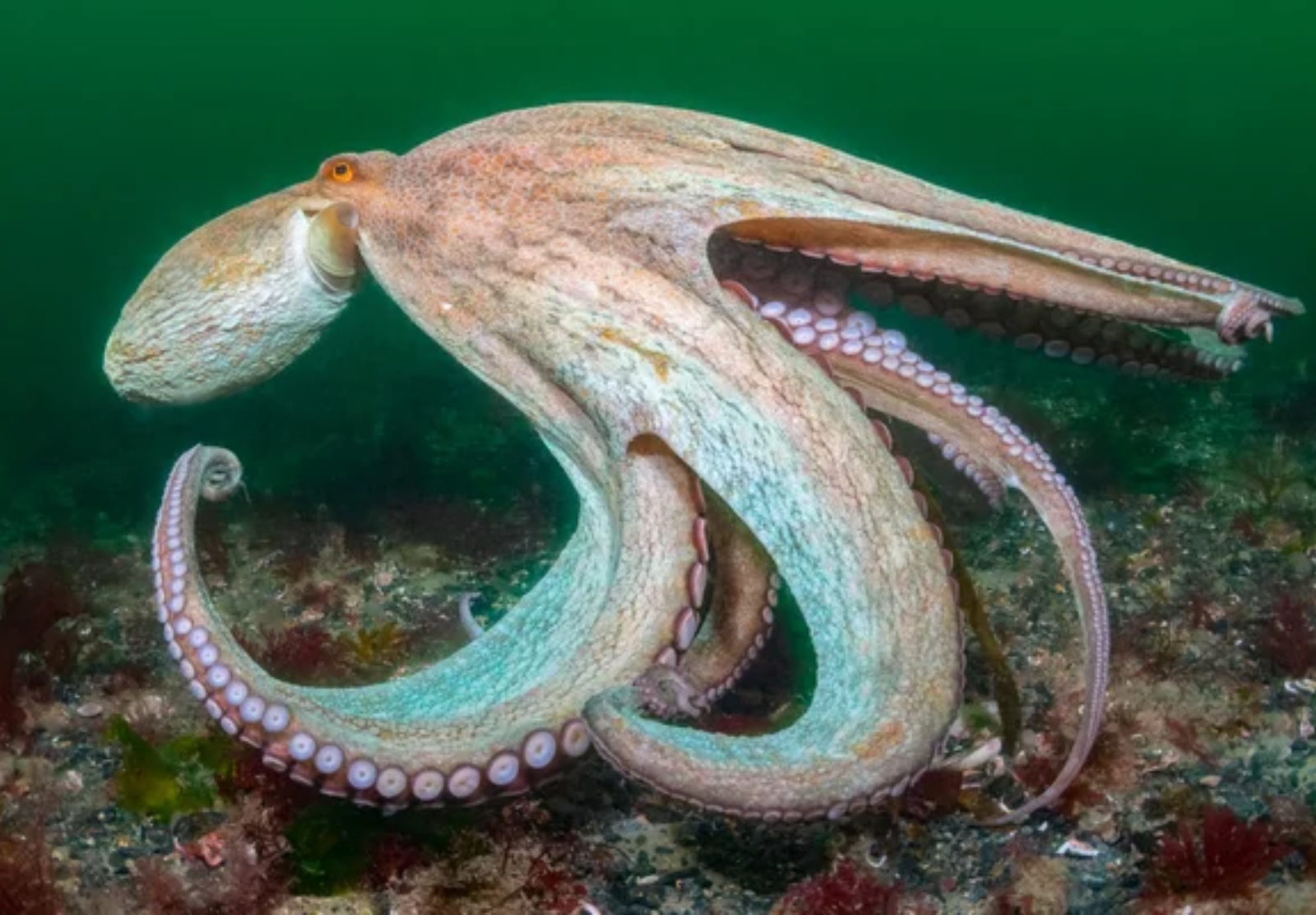
Americans woke up to octopus news early in 2025 when scientists and advocates highlighted these eight-armed wonders for their uncanny intelligence.
Videos of octopuses solving puzzles and escaping tanks went viral on social media, sparking wonder from California beaches to New York aquariums.
Environmental groups pointed to record sightings in global waters, but it was the push against farming that turned curiosity into action.
The buzz built through spring as documentaries aired on streaming platforms, showing octopuses changing colors to blend in or using tools like coconut shells for shelter.
Families at coastal zoos marveled at live displays, while school programs introduced kids to these “aliens of the deep.” This surge in awareness set the stage for bigger developments.
Federal Push Takes Center Stage
In June, Senators Sheldon Whitehouse and Lisa Murkowski reintroduced the OCTOPUS Act, a bipartisan bill aimed at halting commercial octopus farming before it could root in American waters.

The legislation prohibits aquaculture operations in U.S. territories and bans imports of farmed octopus products, with hefty fines for violators.
Proponents argued that octopuses’ sentience—evidenced by their problem-solving skills and short lifespans—makes factory farming cruel and unsustainable.
The bill gained traction amid growing demand for octopus in restaurants, yet wild catches strained ecosystems. NOAA was tasked with tracking harvest methods, ensuring>
Whitehouse called octopuses “smart, sentient creatures” unfit for farms, while Murkowski emphasized safeguarding wild fisheries, especially in Alaska.
Public hearings in D.C. drew crowds, blending testimony from biologists, chefs, and fishers who shared stories of depleted local stocks.
States Lead the Charge
While federal wheels turned slowly, states sprinted ahead. Washington passed the first nationwide ban in March 2024, but 2025 saw California enact the OCTO Act in September, prohibiting both farming and sales of farmed products.
Governor Gavin Newsom signed it amid unanimous Senate support, citing ethical concerns.Bills popped up in New Jersey, Connecticut, Hawaii, Oregon, North Carolina, Massachusetts, and New York by year’s end.

These measures echoed federal goals, exempting aquariums and research but cracking down on commercial ventures. Activists rallied at state capitols, waving signs like “Keep Octopuses Wild,” turning local news into a patchwork of victories.
In Hawaii, lawmakers highlighted reef impacts, while New Jersey focused on import risks from experimental farms abroad, like Spain’s planned operations. This state-level momentum pressured Congress, showing grassroots power in action.
Science Backs the Movement
Researchers fueled the fire with studies on octopus cognition. Labs at the University of Miami and elsewhere documented memory, play, and even individual personalities—traits rivaling some vertebrates.
A deep-sea species even nabbed “Mollusk of the Year” honors, underscoring biodiversity threats.Ecologists warned that farming could spread diseases and pollute waters, demanding three times an octopus’s weight in fish feed daily.
Wild booms, like those off England that inspired U.S. chatter, hinted at ecosystem shifts from warming oceans, but overharvesting loomed larger.
On World Octopus Day in October, campaigns like #KeepThemWild trended nationwide. Nonprofits released reports exposing farming’s risks, from high mortality to ethical lapses in slaughter methods. These efforts educated millions, blending hard science with emotional appeals.
Cultural Waves and Public Fascination
Octopuses infiltrated pop culture too. Comic Con Nebraska in August featured “Octopus Events,” drawing fans to panels on marine-inspired art.
Native Northwest Coast artists showcased octopus motifs symbolizing intelligence and renewal, appearing in galleries from Seattle to Chicago.

Books and podcasts dove deep—pun intended—into myths where octopuses represented adaptability and mystery.
Tattoos surged, with intricate tentacle designs symbolizing resilience. Even tech shows like IBC highlighted “Octopus” newsroom software, though the real stars remained the creatures themselves.
Hollywood teased documentaries, while aquariums reported record visits. Kids’ shows portrayed octopuses as clever heroes, shifting perceptions from sushi plates to protected icons.
Challenges from Rising Demand
Demand for octopus meat skyrocketed, with global catches hitting over 500,000 tons by 2021 and climbing. U.S. chefs innovated sustainable wild sourcing, but imports from Asia strained supplies. Farming advocates pitched it as relief, yet critics highlighted solitary octopuses’ misery in crowded tanks.
Diseases like those in salmon farms could ravage populations, per experts. Economic ripple effects hit fishers reliant on prey species like crabs. Balancing cuisine with conservation became a dinner-table debate.
2025 Year of the Octopus : Conservation Wins and Future Outlook
By December, the OCTOPUS Act awaited votes, bolstered by state precedents. Groups like the Animal Legal Defense Fund celebrated momentum, predicting federal passage in 2026. Aquariums expanded ethical exhibits, fostering empathy.
Volunteers monitored coasts, reporting sightings to apps that tracked populations. This citizen science turned everyday Americans into guardians, ensuring octopuses thrived wild and free.
SCIENCE MARVELS – READ MORE : Ancient Mysterious Christian Mosaic Unearthed: Archaeologists Stunned by Hidden Biblical Symbols and Unknown Religious Art from Early Centuries
FAQ
Why was 2025 called the Year of the Octopus? It marked explosive legislative action against farming and heightened awareness of octopus intelligence.

What does the OCTOPUS Act do? Bans U.S. commercial farming and farmed imports, with fines and certification rules.
Which states banned octopus farming by 2025? Washington, California; pending in New Jersey, Hawaii, others.
Are octopuses really that smart? Yes, they solve puzzles, use tools, and show memory/personality.
What’s next for octopus protection? Federal bill advancement and ongoing state efforts.




Latest Comments