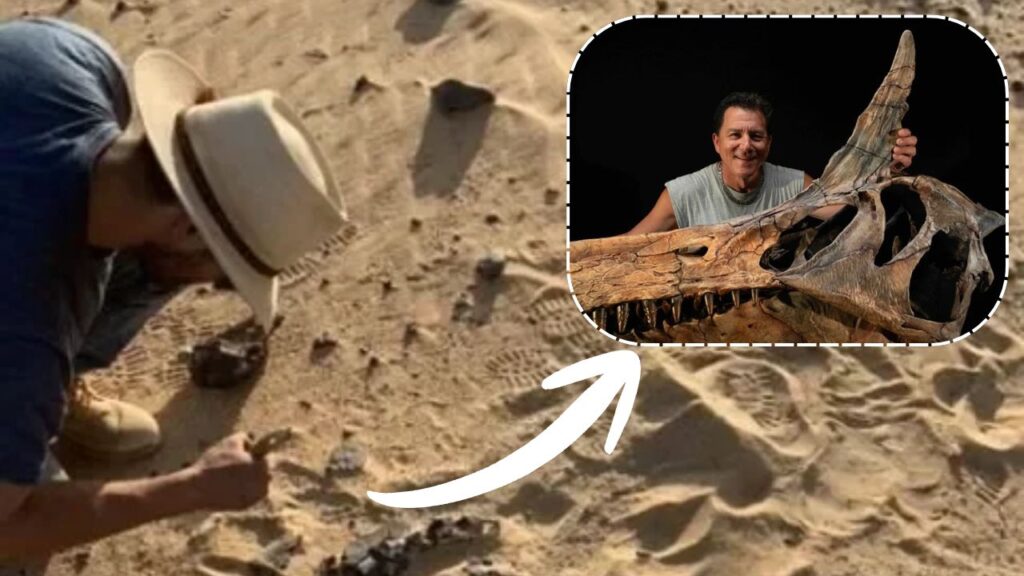
Lost Viking King’s Mysterious Grave : Archaeologists might have pinpointed the long-lost tomb of Ivarr the Boneless, the ruthless Viking warlord who terrorized England over a thousand years ago.
This discovery in England’s Cumbria region has exploded across American news outlets, captivating history buffs and sparking debates about Viking legacies in the West.
Table of Contents
Who Was Ivarr the Boneless?
Ivarr Ragnarsson, better known as Ivar the Boneless, led the Great Heathen Army’s invasion of England starting in 865 AD.
Son of the semi-legendary Ragnar Lothbrok, he captured York, toppled Northumbrian kings like Aella through brutal “blood eagle” executions, and carved out Norse kingdoms in Dublin and beyond.
His nickname “Boneless” baffled historians—some say it hinted at brittle bones from a rare disease, others a sly nod to his snake-like battlefield cunning.
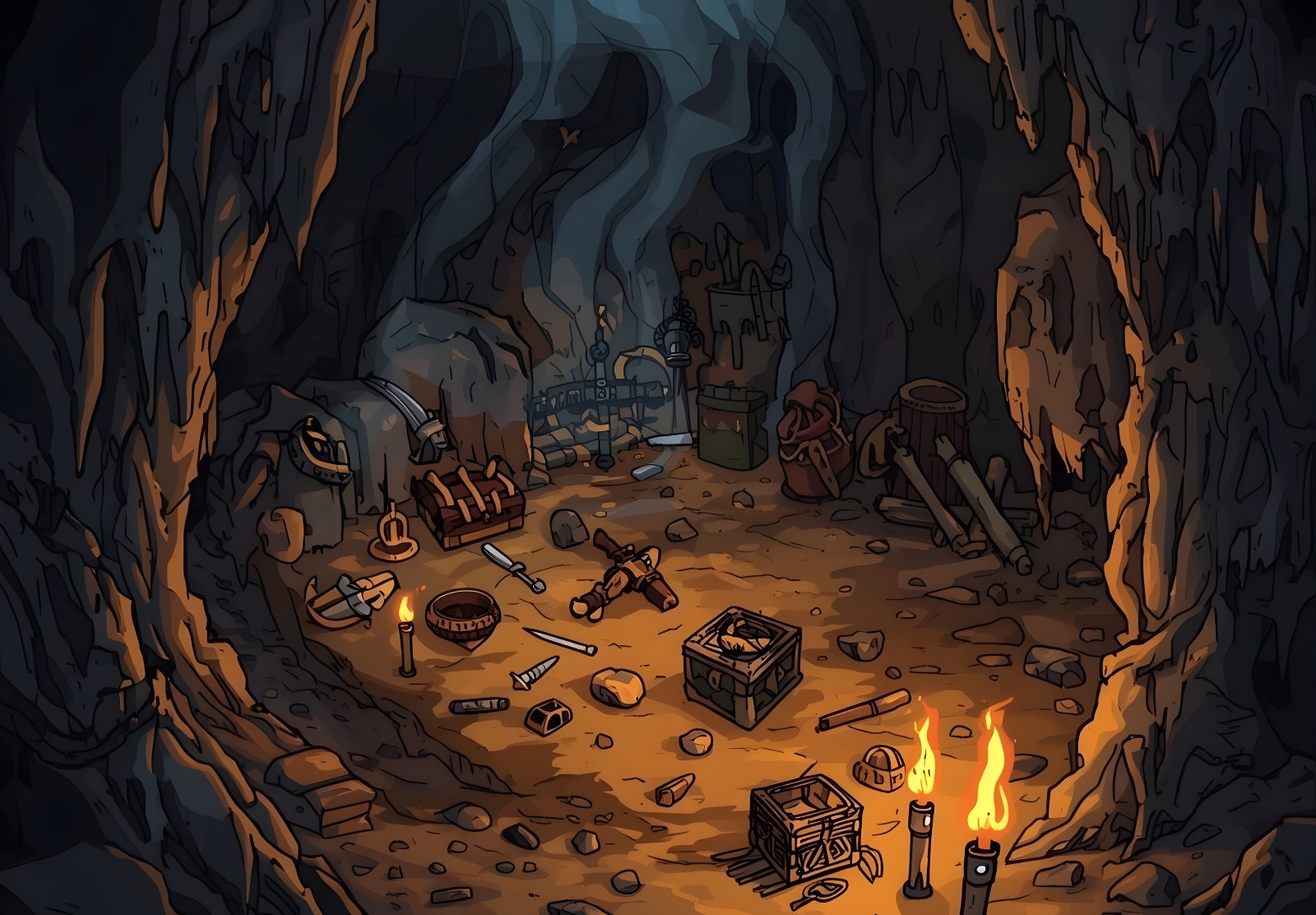
The warrior-king died around 873 AD, but no grave marked his end, fueling sagas and mysteries. Vikings buried elites in ships loaded with treasures, slaves, and pets to sail to Valhalla, a custom seen in Norway’s Oseberg find but never confirmed in Britain.

The Eerie Discovery on Cumbria’s Coast
Independent archaeologist Steve Dickinson zeroed in on a grassy hill—”The King’s Mound” or Coningeshou from Icelandic sagas—overlooking the Irish Sea.
This 60-meter-wide, 6-meter-high mound, ringed by 39 smaller barrows, screams Viking necropolis, he claims.
Metal detectors turned up massive ship rivets and lead weights from a nearby silver hoard mixing Carolingian hacksilver and Baghdad coins, screaming high-status Viking activity.
The site’s secrecy wards off looters, but Dickinson eyes ground-penetrating radar next to spot a buried longship outline.
Why Cumbria? Viking Hotbed Revealed
Forget the old Repton theory in Derbyshire; west Cumbria’s emerging as a Norse powerhouse. LiDAR scans unveiled fleet bases, a 63-meter timber hall south of Gosforth—Britain’s biggest pre-Norman palace—and other mega-structures rivaling Scandinavian royals.

Professor Neil Price of Uppsala University calls it a game-changer for understanding Viking grip on northwest England. These finds paint Cumbria as a raid hub, trade nexus, and power seat, tying neatly to Ivarr’s campaigns.
American media laps it up, linking it to U.S. fascination with Viking explorers like Leif Erikson who hit Newfoundland centuries later.
Echoes in American Viking Lore
Stateside, the buzz ties to our own Viking whispers—like Point Rosee, Newfoundland’s possible second site with iron slag hinting Norse smelting around 1000 AD.
Maine folklore whispers of hidden graves on islands, blending with shipwrecks. No full-blown kingly tomb like Cumbria’s, but it fuels dreams of transatlantic Viking secrets buried under U.S. soil.
Hollywood amps the hype—think “Vikings” TV saga portraying Ivar as a twisted genius—which has U.S. audiences hooked on these real-life twists.
What Happens Next? Digs and Drama
Dickinson’s team plans geophysics soon, hunting ship ghosts under the mound. Confirmation could unearth swords, jewelry, even sacrificed horses—prime Viking grave goods. But skeptics warn: natural hills mimic burials, and linking bones to Ivarr demands DNA wizardry.

If legit, it’s UK’s first Viking ship grave, rewriting textbooks and drawing tourists galore. U.S. outlets like Popular Mechanics frame it as “hiding in plain sight,” mirroring our love for lost-history hunts.
Lost Viking King’s Mysterious Grave
This potential Ivarr tomb crackles with intrigue, bridging brutal Viking past to modern quests for roots—especially resonant in America, where Viking tales stir immigrant pride and adventure dreams. As digs unfold, it promises revelations that could eclipse even Leif Erikson’s L’Anse aux Meadows.
SCIENCE MARVELS – READ MORE : Viking Skull Discovery in 1,000-Year-Old Mass Grave Reveals Groundbreaking Evidence of Primitive Yet Skilled Brain Surgery in Early Norse Times
FAQ
Q: Is this grave really in the USA? A: No, it’s in England’s Cumbria, but U.S. media coverage has made it huge news here, tying to our Viking history fascination.
Q: Who found it? A: Steve Dickinson, independent archaeologist using sagas, metal detecting, and surveys.
Q: What’s inside if it’s real? A: Likely Ivarr’s body, ship, weapons, treasures—per Viking rites.
Q: Why “Boneless”? A: Debate rages—disease, agility metaphor, or impotence myth from sagas.
Q: When’s the big dig? A: Radar scans soon; full excavation awaits permissions to avoid damage.