Global Insect Populations Falling Silent : In the vast farmlands of the Midwest and the pristine meadows of the Rockies, a quiet crisis unfolds. Insects, the unseen workforce of nature, are vanishing at rates that alarm scientists across America.
Table of Contents
The Alarming Data from American Studies
Researchers at the University of North Carolina at Chapel Hill tracked flying insects in a remote Colorado meadow from 2004 to 2024. They found a 6.6% annual drop, totaling a 72.4% decline over two decades, even without nearby human development.
This mirrors broader trends, with a 2019 global review noting over 40% of insect species at extinction risk. Recent radar scans across the continental U.S.
from 2012-2021 show stable daytime fliers like flies and beetles at about 100 trillion aloft daily, but experts warn this misses nocturnal species and pre-2012 losses.
Why Insects Matter to Everyday Life
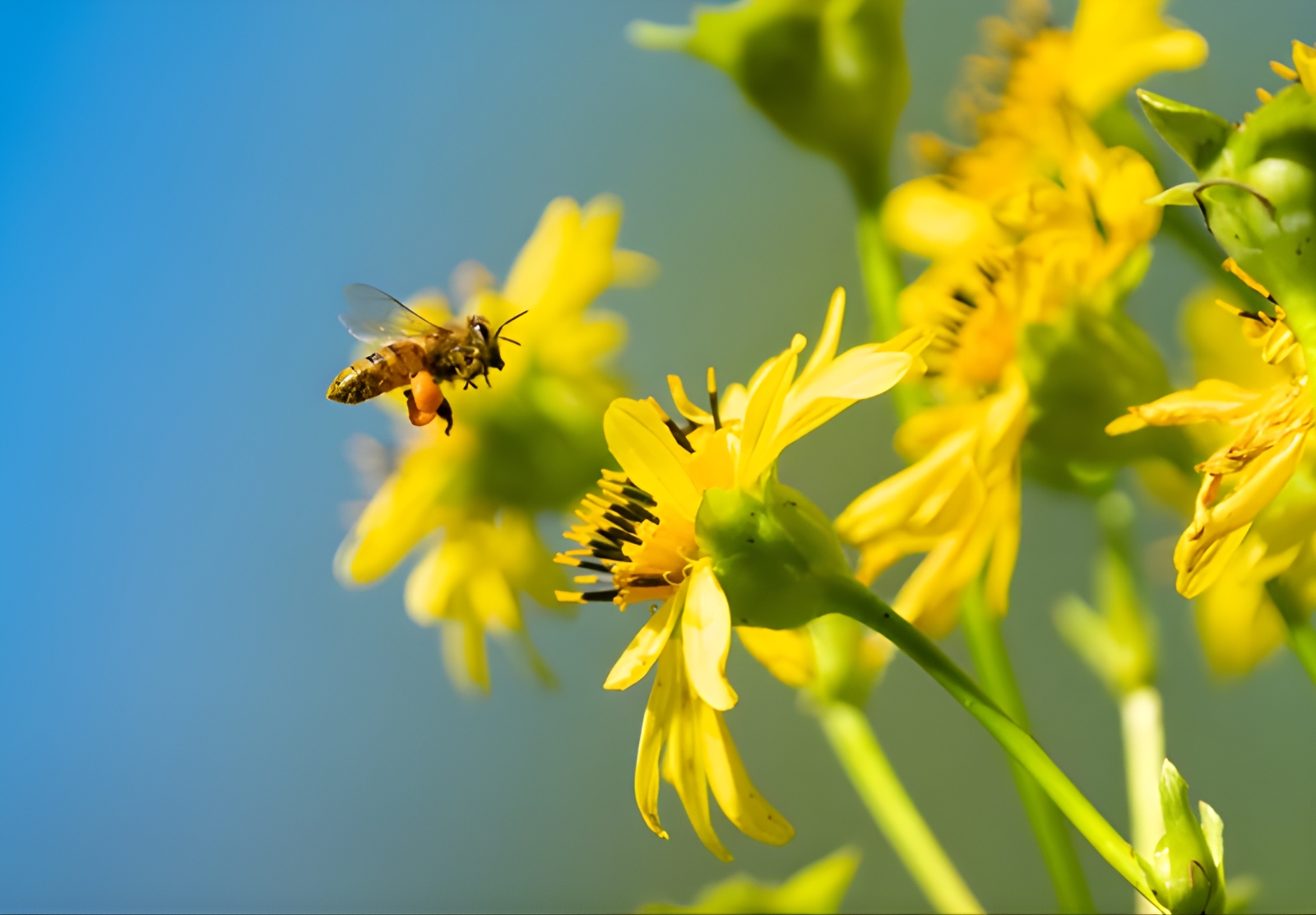
Bees pollinate one-third of U.S. crops, from almonds in California to apples in Washington state. Without them, grocery shelves empty fast.
Birds, bats, and fish rely on insects for food; a drop cascades up, hitting songbirds hardest—96% of North American terrestrial species feed bugs to chicks. Farms suffer too, as pests surge unchecked while beneficial insects dwindle, forcing more chemical sprays.

Culprits Behind the Silence
Pesticides top the list, with neonicotinoids making U.S. farmlands 48 times more toxic to bees since 1999. These seed coatings linger for years, poisoning waterways and soil.
Habitat loss from plowing prairies—down 90% in the Midwest—leaves no refuge. Climate change hits hard: warmer Colorado summers correlate with crashes, luring overwintering bugs out too early for cold snaps. Even untouched spots aren’t safe, pointing to rising temperatures as a universal threat.
Voices from the Field
Dr. Keith Sockman, who led the Colorado study, hiked miles to set traps in subalpine meadows, sifting through flies and wasps each summer.
“This is a pristine site, yet insects halved twice over,” he told reporters, blaming lagged heat effects. In Ohio, butterfly counts fell 33% for 81 species in 20 years, signaling wider woes. Farmers in Iowa notice fewer ladybugs on corn; without natural pest control, yields teeter.
Ripple Effects on Food and Wildlife
Monarch butterflies plunged 80-90% in two decades, their milkweed vanishing under lawns and soy fields. Grassland birds dropped 2.2% per 100kg of neonics used, totaling double digits in farm counties.

America’s lost 3 billion birds since 1970; insects’ fall explains much. Fisheries feel it—salmon smolts starve without mayfly hatches on Pacific rivers. Pollination gaps could slash crop values by billions annually.
Signs of Hope Amid the Decline
Not all news darkens skies. Some U.S. radar spots saw 32% insect gains near Billings, Montana, tied to cooler winters. Beetles and wasps ticked up in recent trap data.
Community gardens bloom with natives, drawing bugs back; one study says converting 10% of U.S. lawns to wild patches adds 4 million acres of habitat.
What Farmers and Cities Can Do
Switch to integrated pest management—target sprays, not blankets. Plant hedgerows of sunflowers and clover for bug hotels.
Cities dim lights at night; artificial glow disorients moths. Federal pushes for neonic bans gain traction post-2025 lawsuits. Backyard warriors mulch leaves, skip Roundup, sow milkweed.
A Nationwide Call to Monitor
Citizen science apps track bees; radar repurposing scales up continent-wide views. States like California fund pollinator highways—wildflower corridors linking farms. Without action, E.O. Wilson warned, life unravels in months.

Insect Decline Stats USA Decline Rate Time Period Source Flying insects, Colorado meadow72.4% total (6.6%/yr)2004-2024Monarch butterflies80-90%Past 20 years Ohio butterflies (81 species)33% average Past 20 years Agricultural toxicity to insects48x increase1999-2024 Grassland birds per neonic use2.2% drop/100kgRecent decade
Global Insect Populations Falling Silent
The hum of insects fades, but America holds tools to amplify it back—smarter farms, wilder yards, cooler policies. Half-measures won’t cut it; bold shifts now preserve the buzz that feeds us all.
SCIENCE MARVELS – READ MORE : Unidentified Mars Rock Baffles Experts — Is It Alien Artifact or Rare Mineral? NASA Rover Captures Astonishing Image Shaking Space Science Community
FAQ
Q: Is the insect decline really happening in the U.S.? A: Yes, studies show sharp drops in places like Colorado and Ohio, though some radar data indicates stability in daytime fliers recently.
Q: What’s the biggest cause in America? A: Pesticides like neonics, combined with habitat loss from farming and urban sprawl.
Q: How does this affect my food? A: Fewer pollinators mean lower yields for fruits, nuts, and veggies—potentially higher prices and shortages.
Q: Can I help in my backyard? A: Absolutely—ditch pesticides, plant natives, leave leaf litter, and reduce mowing.

Q: Will insects go extinct soon? A: Not all, but 40%+ species risk it without intervention; trends vary by type and region.