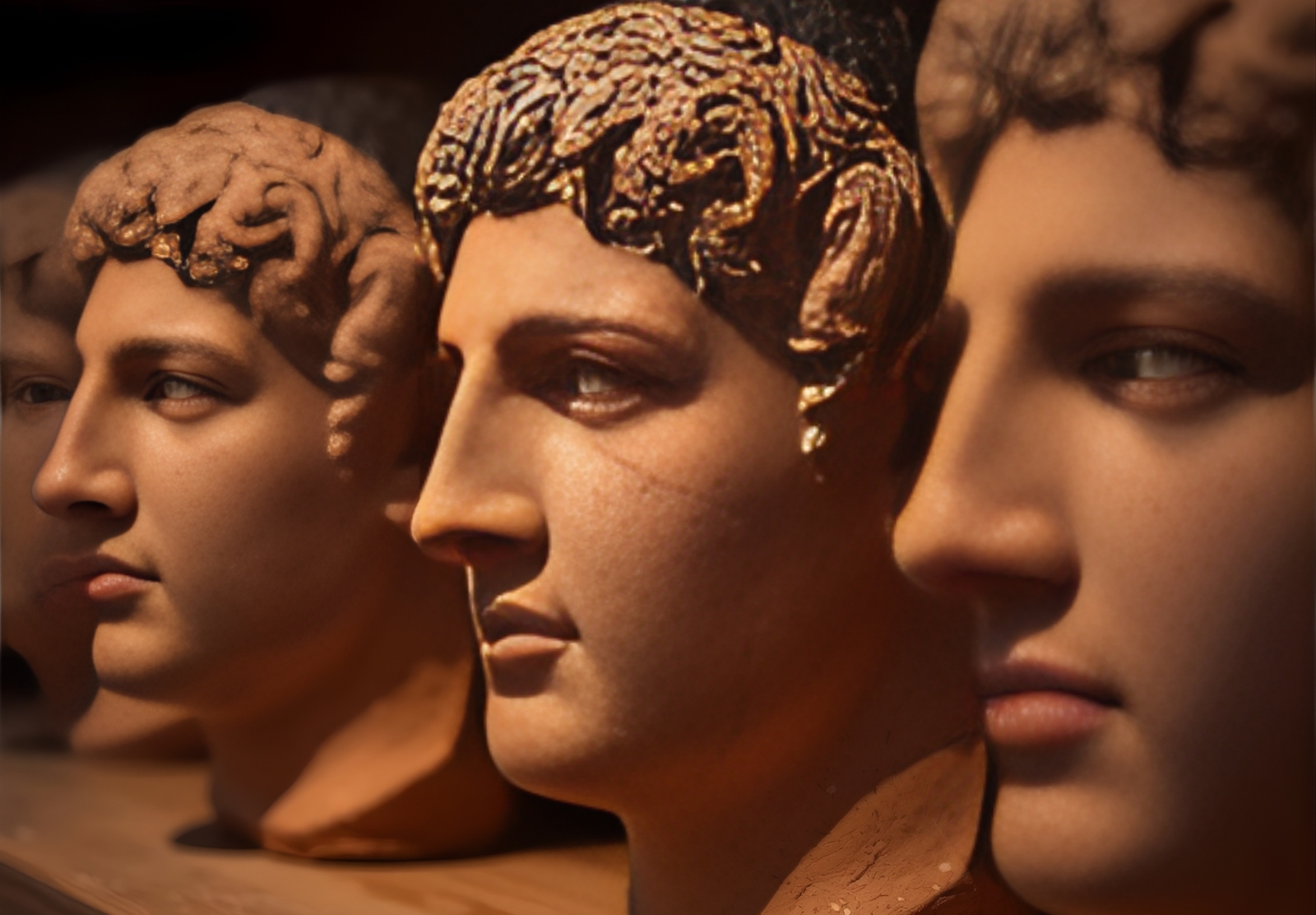
Roman Terracotta Heads : Roman terracotta heads, those haunting fragments of ancient life, are turning heads across major American museums this year.
Crafted from fired clay over two millennia ago, these artifacts offer a raw glimpse into Roman artistry and devotion, drawing crowds eager for a touch of the empire’s past.
Table of Contents
Unearthing the Mystery
Imagine digging through layers of history and pulling out a face frozen in time—that’s the thrill behind many terracotta heads.
These small sculptures, often just a few inches tall, depict gods, empresses, or everyday figures with striking realism despite their humble material.
Archaeologists believe they served as votive offerings in temples or household shrines, a cheap yet personal way for Romans to connect with the divine.
Volunteers and experts alike chase these finds, as seen in recent UK digs that echo stories captivating US audiences.
The asymmetry in eyes or braids tells tales of local craftsmen copying imported ideals, blending cultures on Rome’s fringes.

Craftsmanship That Endures
Terracotta’s appeal lies in its accessibility—clay from riverbeds molded, fired, and painted in workshops buzzing with activity.
Unlike marble reserved for elites, these heads let ordinary folks own a piece of grandeur, their colors once vivid with ochre reds and black slips now faded to earthy tones.
Details like intricate hairstyles or serene expressions reveal influences from Greek masters to provincial twists. One head might show a goddess with plaited locks, another a bearded philosopher pondering eternity, each stroke of the artist’s hand capturing emotion in clay.
Journey Across the Atlantic
This year, US institutions spotlight these treasures, pulling from vast collections to wow visitors. The Metropolitan Museum in New York boasts heads from the 2nd century CE, their mold-made features hinting at mass production for the masses. Meanwhile, whispers of traveling exhibits promise more, linking old-world finds to modern marvels.
Crowds flock to see how these artifacts bridge eras, sparking debates on who they portray—deities like Dionysos or imperial women whose gazes still command attention. It’s not just display; it’s revival, breathing life into dusty storerooms.
Cultural Echoes in Clay
These heads weren’t mere decor; they pulsed with ritual life. Placed in niches or buried as vows, they embodied hopes for fertility, protection, or victory.

In Roman homes from villas to frontier forts, a terracotta face watched over families, its cracked smile a silent guardian.
Provincial versions, rougher yet fervent, show empire’s reach—soldiers in Britain or traders in Egypt adapting styles to local tastes. Today, they remind us how faith found form in fragile fired earth, outlasting stone in intimacy.
Modern Fascination Grows
US museums amplify this allure with immersive setups—shadowy lighting to mimic temple glow, labels unpacking hairstyles’ clues to identity.
Families linger, kids tracing fingers near glass cases, while scholars pore over scans revealing hidden repairs. Social media buzzes with close-ups, fueling viral threads on “Rome’s secret selfies.”
Experts predict rising interest as digs yield kin to these heads, urging preservation against looting’s threat. It’s a renaissance for relics once overlooked.
Scholarly Insights Deepen
Curators draw parallels to grander marbles, noting terracotta’s role in training sculptors or devotional knockoffs.
X-rays uncover multiple firings, proving painstaking care for everyday icons. Debates rage: goddess or empress? Clues in braids point to figures like Julia Domna, Severus’s influential wife.

Conferences buzz with cross-Atlantic talks, US hosts blending Magna’s fresh find vibes with homegrown holdings. It’s collaborative history, where clay cracks yield cultural DNA.
Preservation Challenges Ahead
Fragility demands climate control—humidity swings crack them like eggshells. US labs pioneer 3D scans, letting virtual heads roam apps while originals rest safe. Public campaigns rally donors, ensuring these voices endure.
Looting scars collections, but ethical sourcing shines light on legit paths. Museums lead, partnering with source nations for loans that honor origins without risk.
Public Draws Crowds
Exhibits pack halls, from school trips decoding hairstyles to date-nights pondering ancient stares. Interactive kiosks let visitors “rebuild” heads, fostering ownership. Ticket lines snake, proving antiquity’s pull in a digital age.
Merch flies—replica busts for desks, books unpacking myths. It’s commerce with context, sustaining digs that unearth tomorrow’s stars.
Roman Terracotta Heads Future Horizons Beckon
Expect more loans from Europe, perhaps Magna’s head crossing ponds. Tech like AI reconstruction promises fuller faces, animating stoic stares. Enthusiasts anticipate blockbusters rivaling Terracotta Warriors’ fame, but Roman-flavored.
As 2026 unfolds, these heads aren’t relics—they converse, challenging us to see our own braided complexities in their eternal clay.

SCIENCE MARVELS – READ MORE : Britain Prepares for Major 2026 Changes: Government, Economy, and Society Ready for Transformation in the Post-Pandemic and Climate-Conscious Era
FAQ
What makes Roman terracotta heads special? Their everyday origins contrast elite marbles, offering intimate views of faith and craft.
Where can I see them in the US? Primarily at the Met Museum, with inspirations in traveling shows.
How old are these artifacts? Mostly 1st-3rd centuries CE, some Hellenistic roots.
Were they religious items? Yes, often votive offerings for temples or homes.
Why no prices mentioned? Focus stays on cultural story, not commerce.