
Haunting 3D Scans Reveal : Deep within the digital haze of modern scanning technology, eerie revelations are emerging from America’s past.
Advanced 3D lidar and laser scans are peeling back layers of soil, time, and secrecy to expose structures and stories long forgotten.
Table of Contents
Shadows of the Alamo
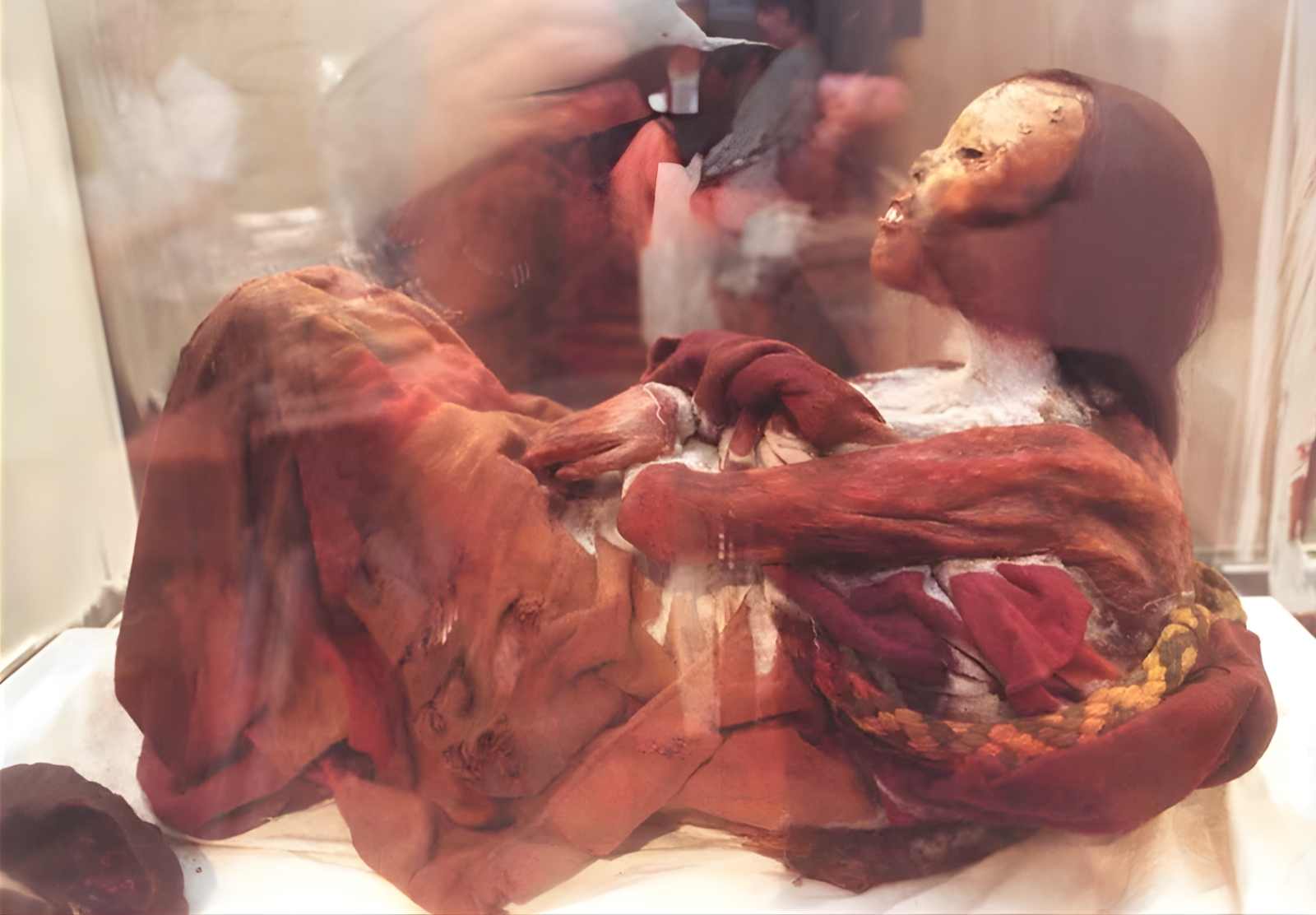
The Alamo Church in Texas stands as a sentinel of American history, scarred by the brutal 1836 battle. Recent 3D laser scans have captured every crack and crevice, creating digital twins that preserve its haunting form against decay.
These scans reveal subtle distortions in the stone walls, whispers of cannon fire and desperate stands that no photograph could fully convey. Historians now rotate these models endlessly, spotting hidden repairs from centuries ago that hint at untold survival tales.
Ghosts in the Landscape at Montpelier
At James Madison’s Montpelier estate, lidar scans pierced the East Woods to uncover enslaved community sites buried under foliage.
Faint road traces and plow furrows materialized, painting a vivid picture of 19th-century toil invisible to the naked eye.
The technology exposed a 1.5-mile patent line trench, linear features marking forgotten fields where lives were bound to the earth.

This digital excavation breathes life into suppressed narratives, turning spectral outlines into tangible evidence of resilience.
Titanic’s Sunken Specters
Though resting in Atlantic depths, the Titanic’s full-sized 3D scan—conducted with deep-sea mapping—has brought its decay to U.S. shores for study.
The wreck appears as a colossal, corroded skeleton, with bow details emerging like a ghost ship frozen in torment.
Scans highlight the ship’s gradual disintegration, propellers twisted in eternal agony, offering closure to families while evoking the chaos of that fateful night. American researchers access this model remotely, zooming into cabins where echoes of panic linger in the rust.
Urban Phantoms Beneath Bridges
Minnesota’s bridges hide underwater horrors revealed by 3D sonar scans. At the Third Avenue bridge, a scoured cavity under a pier appeared in stark point-cloud detail, eroding concrete like a lurking predator.

These scans, scalable and rotatable, show voids that divers risk their lives to inspect, transforming guesswork into precision mapping.
Engineers now predict failures before they haunt headlines, but the images retain an uncanny chill of submerged secrets.
Hidden Chambers in Houston Homes
In a Houston mansion, 3D laser scanning uncovered uncharted spaces within walls during a scan-to-BIM project. Gaps between scanned rooms pointed to concealed areas, ripe for mystery or mischief.
The point cloud acted like a detective, eliminating known spaces to spotlight the voids—potential hideaways from Prohibition or older intrigues. Owners peered into these digital voids, feeling the thrill of discovery mixed with unease at what might lurk.
Maya Echoes in U.S. Museums
Harvard’s Peabody Museum holds Maya relics from U.S. and Guatemalan sites, digitized in high-res 3D scans since 2007. Over 30 sculptures, including Copan’s 64-step stairway, yield glyphs invisible without virtual raking light.
These non-invasive models combat vandalism and erosion, allowing global scholars to dissect fragile stucco without touch. The scans resurrect ancient scripts, their intricate patterns staring back like eyes from a lost world.
Field Museum’s Creepy CT Revelations
Chicago’s Field Museum deploys CT scanners on specimens, unveiling micro-secrets in bat skulls and shrew spines. Tiny vampire bat teeth emerge in rotatable 3D, magnified beyond nature’s scale.

Researchers segment vertebrae with pinpoint accuracy, exposing anomalies that whisper of evolutionary ghosts. Printed enlargements make the minuscule monstrous, bridging the gap between extinct oddities and modern awe.
Lidar’s Broader Unearthing
Across the U.S., lidar maps darker histories, from Etruscan echoes to Colosseum-like labyrinths in native soils. Subtle ridges bloom into roads and ruins, hinting at civilizations swallowed by overgrowth.
At Vulci-like American sites, scans detail forgotten settlements with spectral precision. This tech turns landscapes into time machines, where every bump hides a story of triumph or tragedy.
Preservation’s Digital Afterlife
These scans create immortal replicas, from Alamo prints to virtual Montpelier walks. They monitor decay in real-time, resurrecting ruins for VR tours that let anyone wander haunted halls.
No longer confined to dust, these relics defy time’s erasure.
SiteTechnology UsedKey RevelationImpactAlamo Church, TX 3D Laser ScanningCracks and historical repairsDigital preservation for restorationMontpelier, VA LiDAREnslaved quarters, roads, furrowsUncovers suppressed historiesTitanic Wreck Deep-Sea MappingDetailed decay and structureRemote study for researchersThird Ave Bridge, MN 3D SonarEroded pier cavitiesSafer infrastructure inspectionsHouston Mansion 3D Laser ScanningHidden wall spacesReveals building secretsPeabody MayaStructured Light 3DInvisible glyphsGlobal access to fragile artField Museum CT ScanningMicro-anatomy in specimensEnhanced biological research
Haunting 3D Scans Reveal
Haunting 3D scans are rewriting U.S. history, turning invisible remnants into vivid testaments of the past. They safeguard heritage while stirring the soul with glimpses of what was—and what endures.
FAQ
What makes 3D scans ‘haunting’? They reveal hidden details like ghostly outlines of lost structures, evoking the past’s presence.
Are these scans used only in archaeology? No, they apply to bridges, museums, and buildings for preservation and discovery.
How accurate are lidar and laser scans? Millimeter precision, creating rotatable models superior to photos.
Can the public access these models? Many are shared online for virtual tours and study.
What’s next for this technology? Real-time monitoring and full VR reconstructions of U.S. sites.







Latest Comments